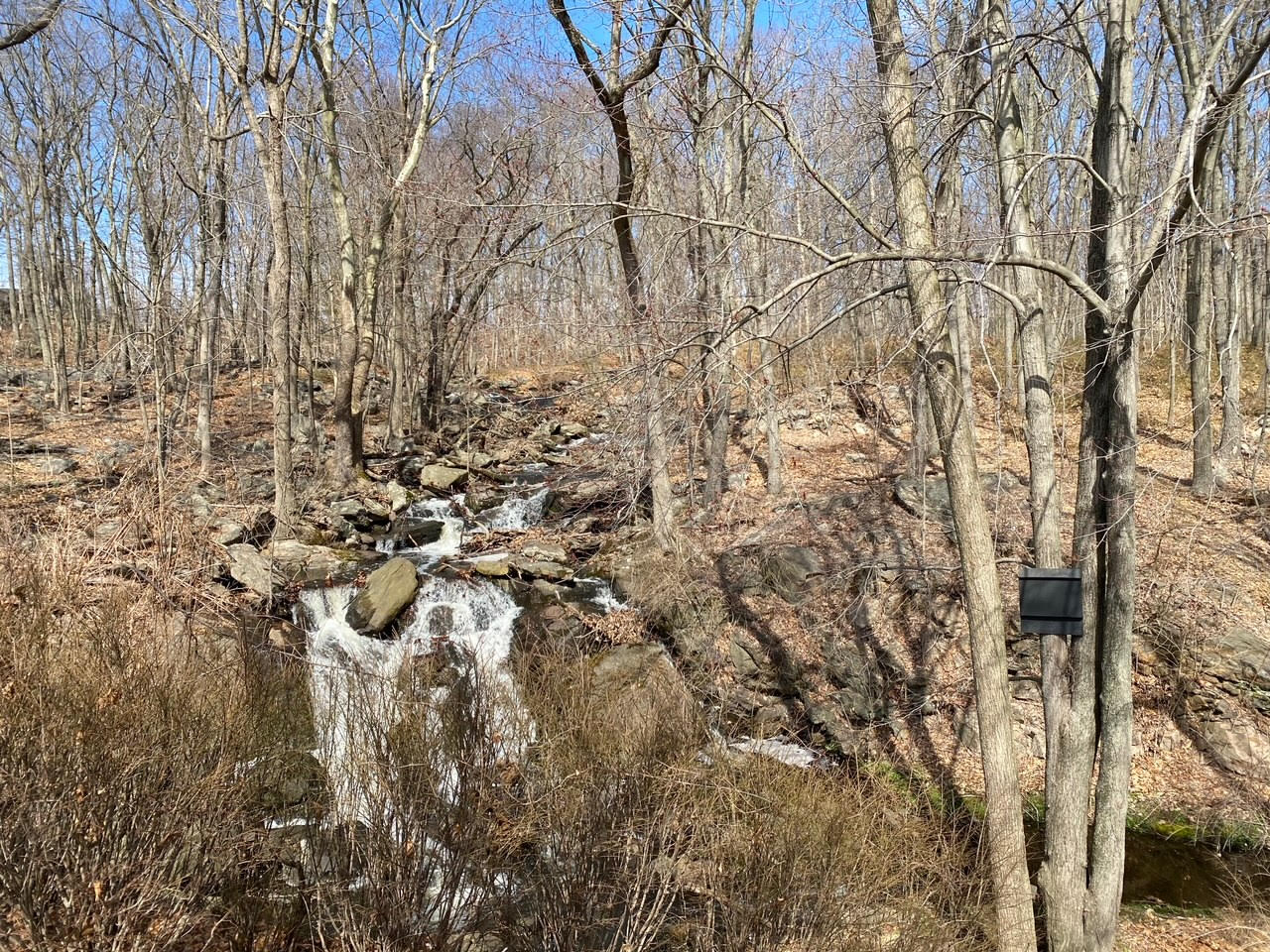
 Our first 2021 activity is a celebration of Earth Day. There are two sites to be cleaned up. The first is Stony Brook Park.
Saturday April, 24th at 9:30 a.m.
Meet at the parking lot.
To sign up, email Mike Heitz at: mheitz14@gmail.com
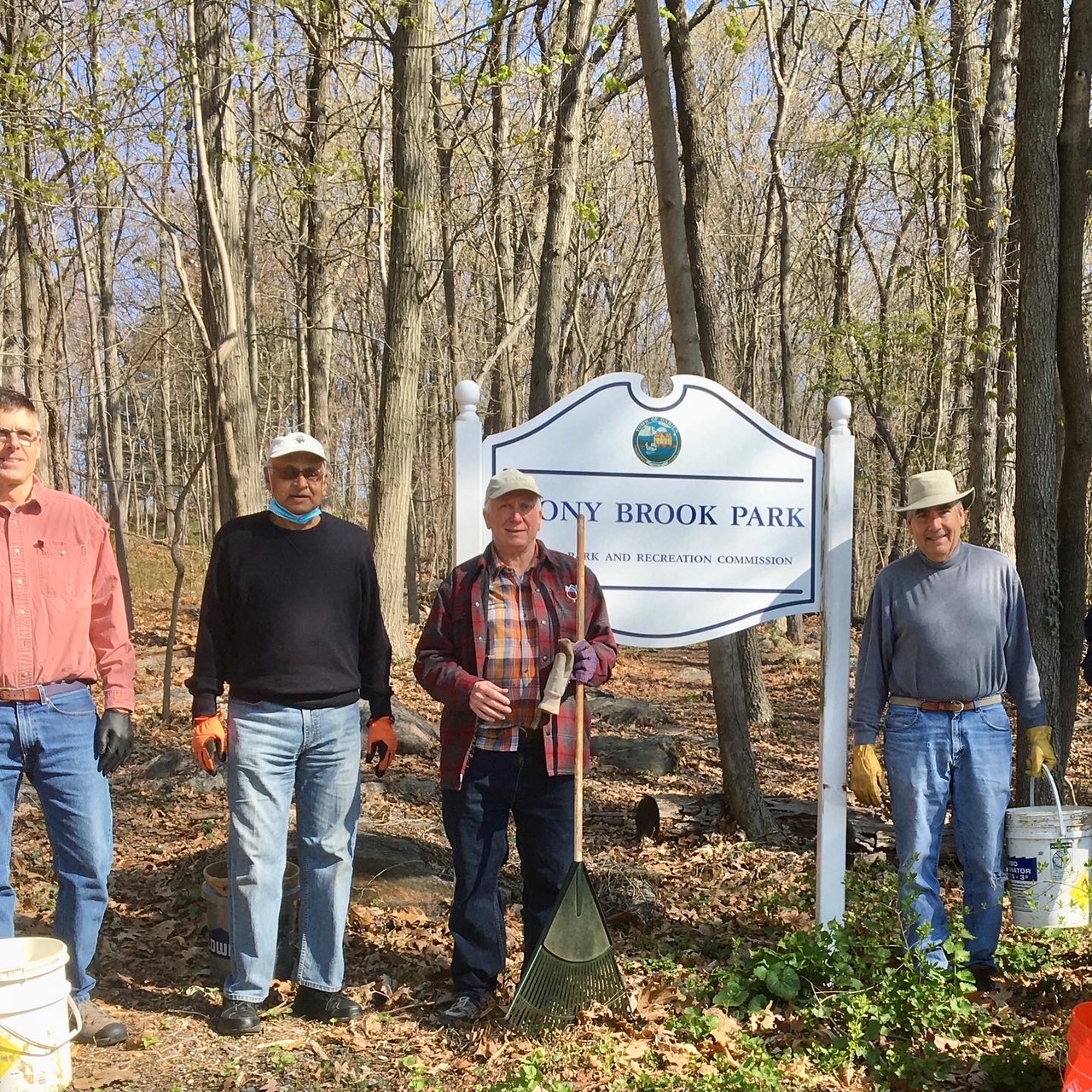
Our first 2021 activity is a celebration of Earth Day. There are two sites to be cleaned up. The first is Stony Brook Park.Saturday April, 24th at 9:30 a.m.
Meet at the parking lot.
To sign up, email Mike Heitz at: mheitz14@gmail.com
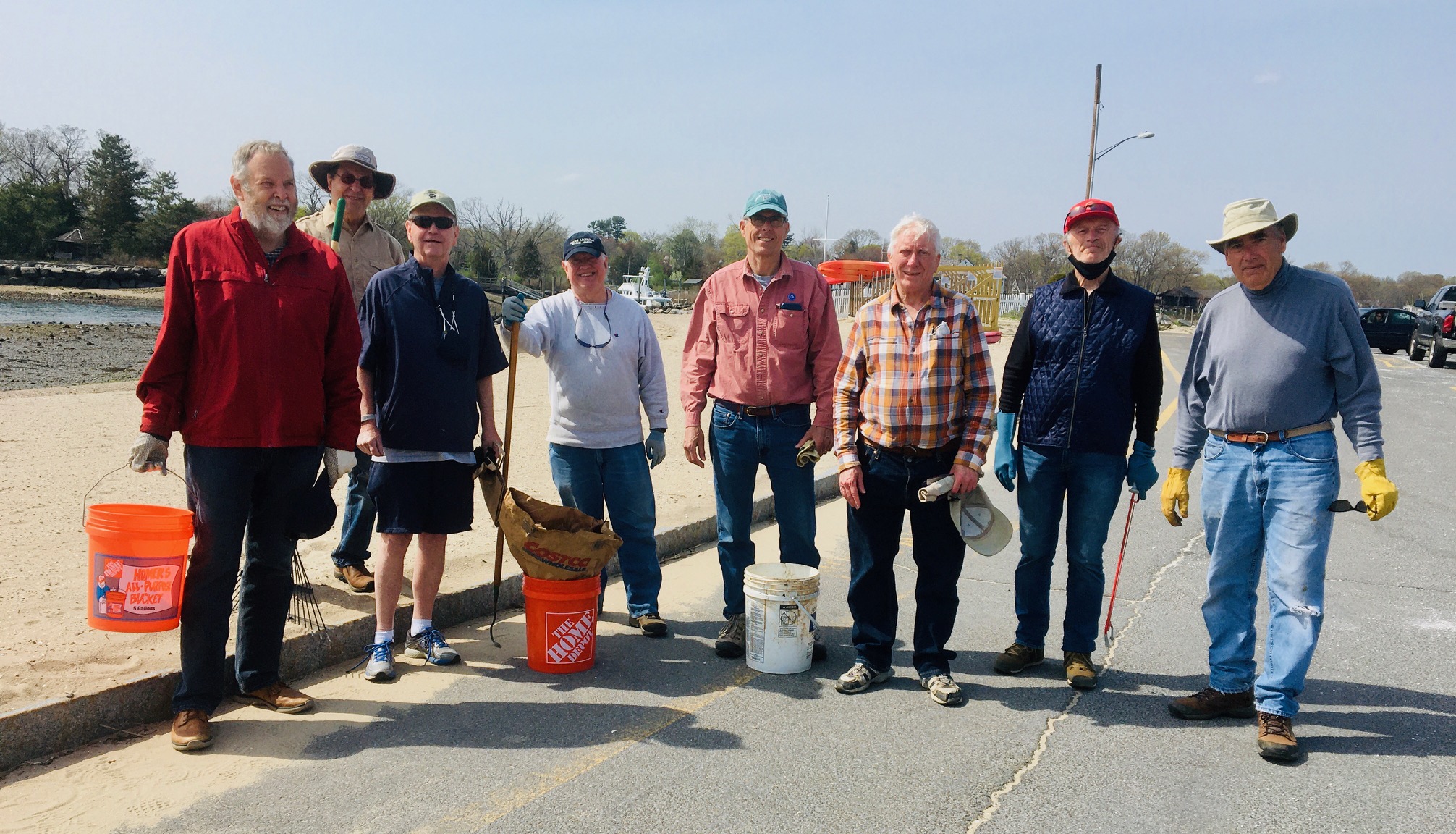
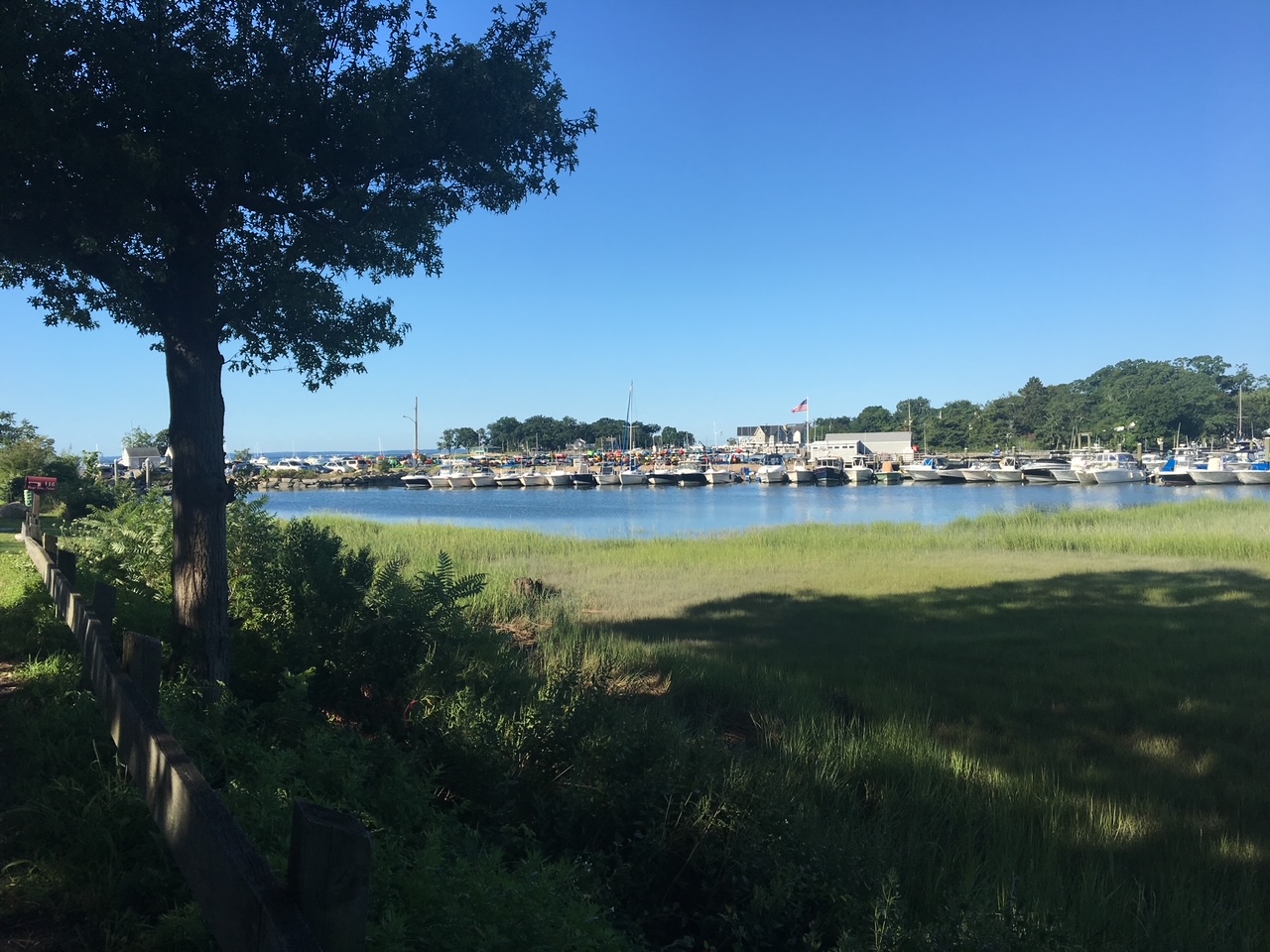 Our first 2021 activity is a celebration of Earth Day. There are two sites to be cleaned up. The second is at Pear Tree Beach.
Meet at the parking lot.
Saturday April, 24th starting at 3:00 p.m. (Lower Tide)
To sign up, email Mike Heitz at: mheitz14@gmail.com
Host: Bob Baker
Discussion Leader: Henry Cavanna
Outline For Discussion on April 15 about Federal Debt and Deficits. Do They Matter?
I. Background of the US Budget
II. History of National Debt and Budget Deficits
III. Modern Monetary Theory and the Impact of Debt and Deficits
Readings:
https://www.econlib.org/library/Columns/y2021/SumnermodernmonetarytheoryPartI.html
https://www.econlib.org/library/Columns/y2021/SumnermodernmonetarytheoryPartII.html
https://www.taxpolicycenter.org/briefing-book/how-does-federal-government-spend-its-money
https://www.nytimes.com/2021/03/25/opinion/biden-us-economy.html?referringSource=articleShare
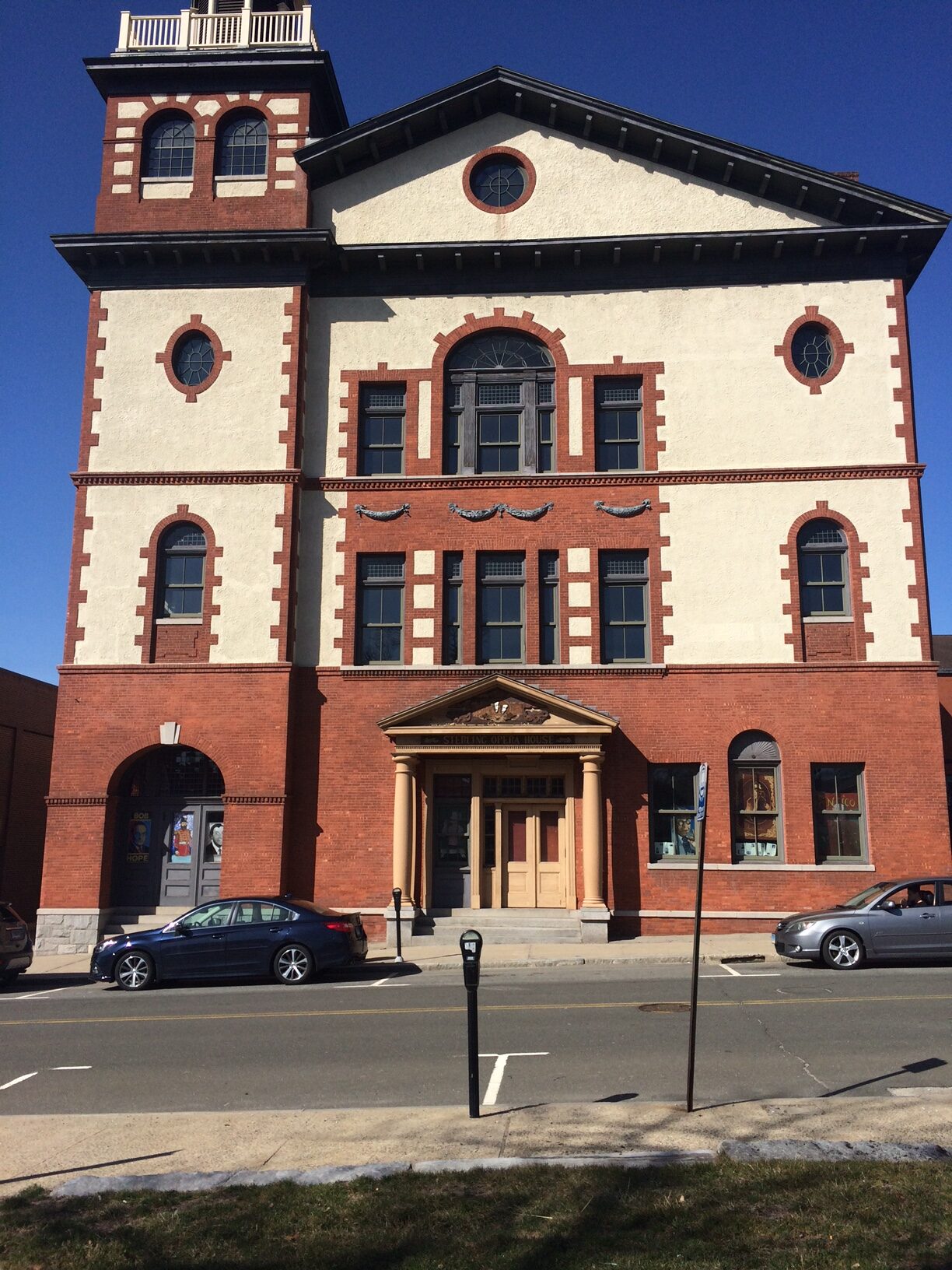
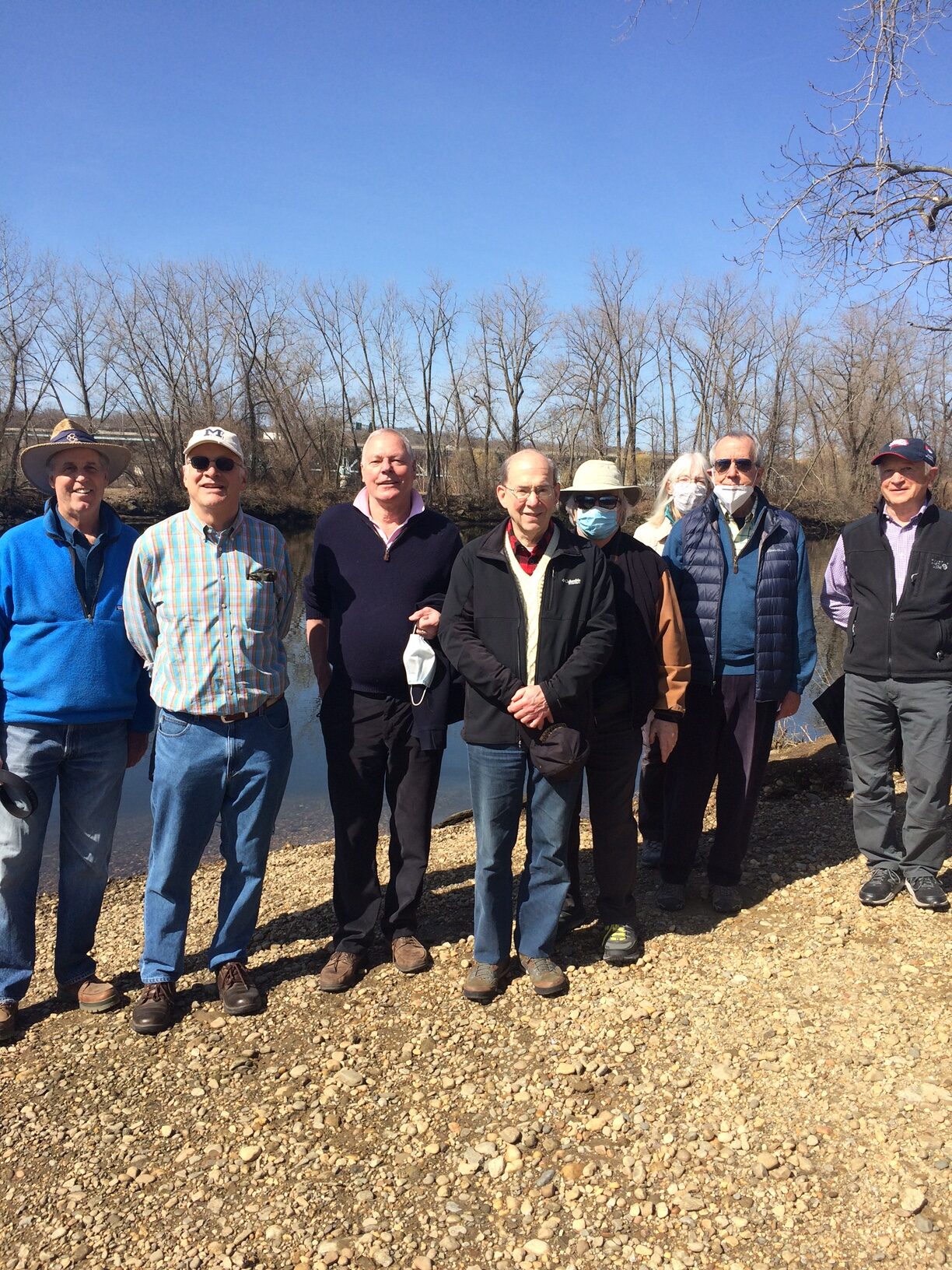
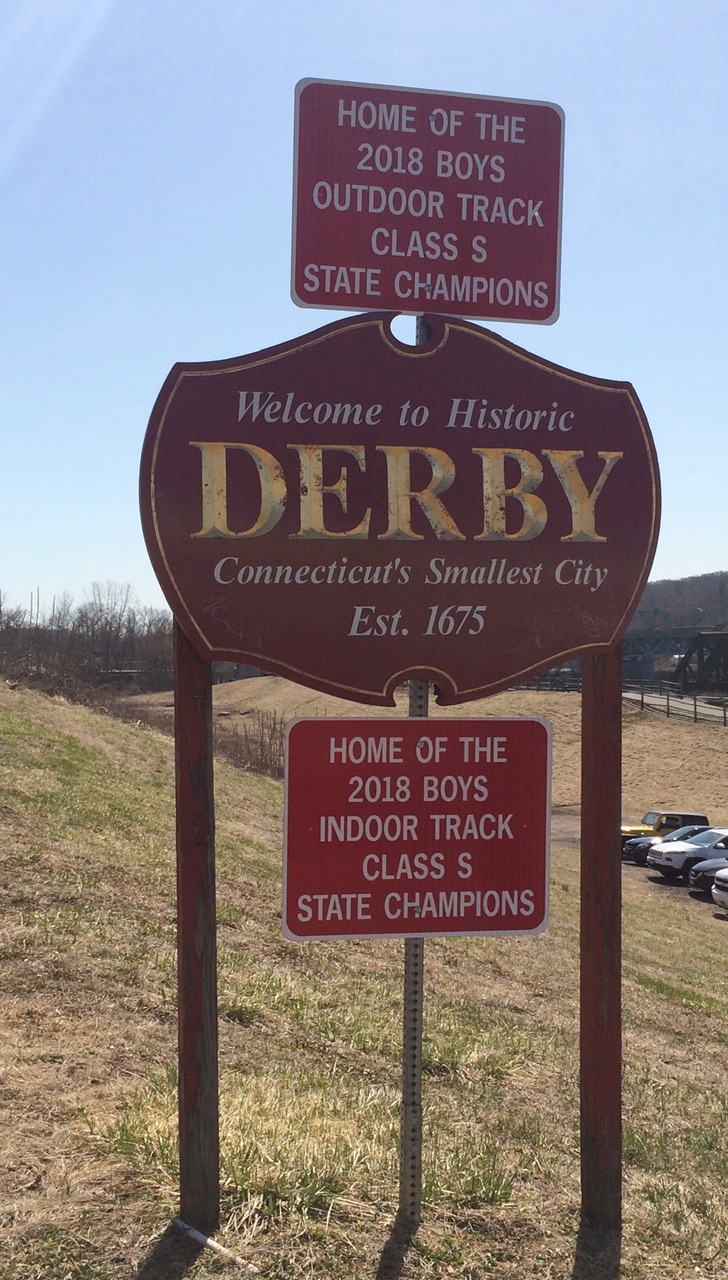
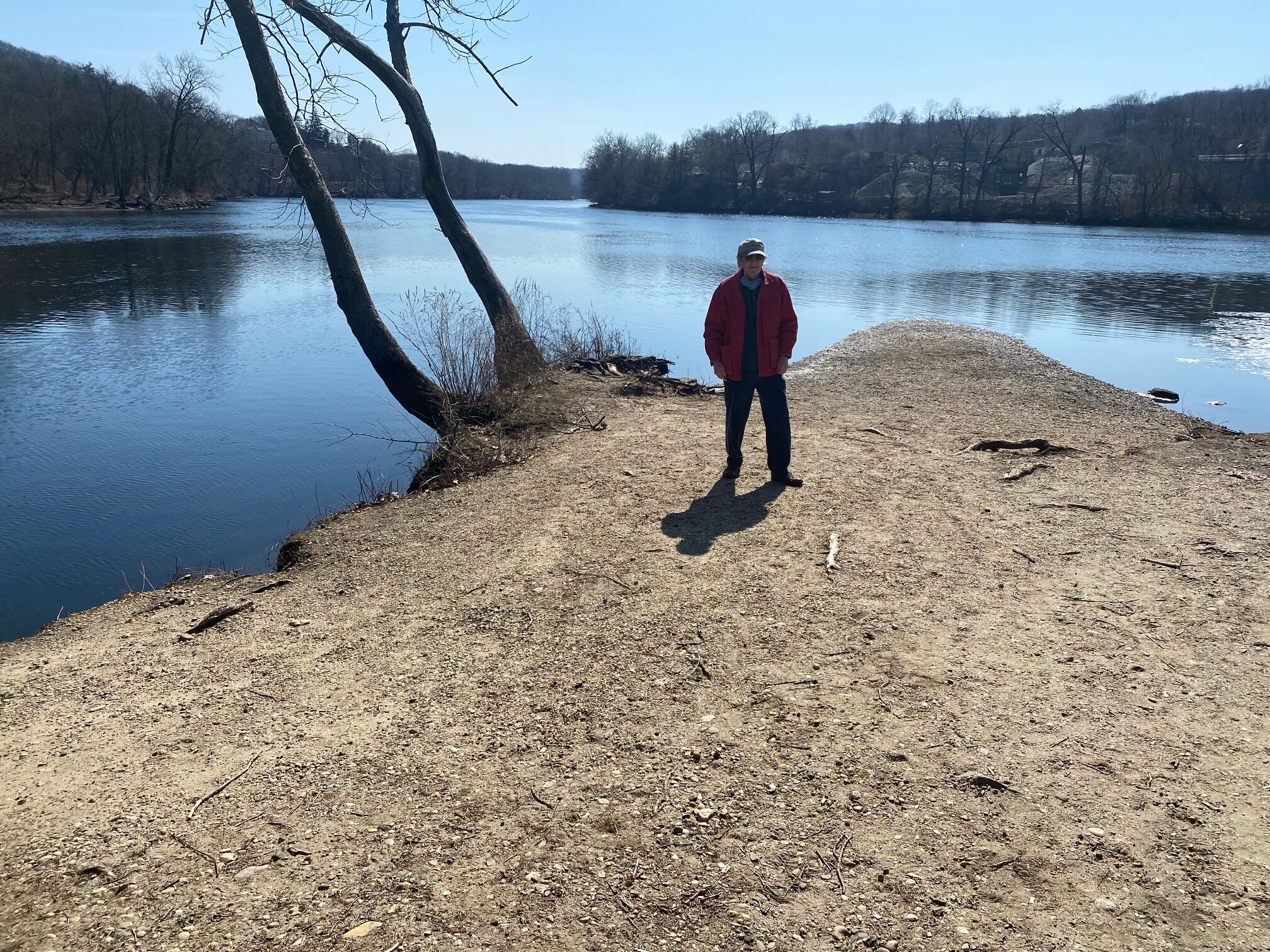 Tues March 23 to Derby. Ct. It is a 40 minute drive. We meet at the Derby library, 313 Elizabeth St, at 10 am. The photo is the Naugatuck and Housatonic rivers coming together.
Contact David Mace or Joe Spain

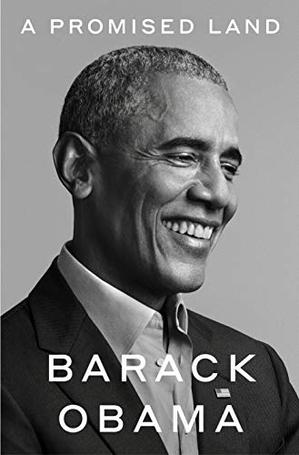 A PROMISED LAND
BY BARACK OBAMA ‧ RELEASE DATE: NOV. 17, 2020
In the first volume of his presidential memoir, Obama recounts the hard path to the White House.
In this long, often surprisingly candid narrative, Obama depicts a callow youth spent playing basketball and “getting loaded,” his early reading of difficult authors serving as a way to impress coed classmates. (“As a strategy for picking up girls, my pseudo-intellectualism proved mostly worthless,” he admits.) Yet seriousness did come to him in time and, with it, the conviction that America could live up to its stated aspirations. His early political role as an Illinois state senator, itself an unlikely victory, was not big enough to contain Obama’s early ambition, nor was his term as U.S. Senator. Only the presidency would do, a path he painstakingly carved out, vote by vote and speech by careful speech. As he writes, “By nature I’m a deliberate speaker, which, by the standards of presidential candidates, helped keep my gaffe quotient relatively low.” The author speaks freely about the many obstacles of the race—not just the question of race and racism itself, but also the rise, with “potent disruptor” Sarah Palin, of a know-nothingism that would manifest itself in an obdurate, ideologically driven Republican legislature. Not to mention the meddlings of Donald Trump, who turns up in this volume for his idiotic “birther” campaign while simultaneously fishing for a contract to build “a beautiful ballroom” on the White House lawn. A born moderate, Obama allows that he might not have been ideological enough in the face of Mitch McConnell, whose primary concern was then “clawing [his] way back to power.” Indeed, one of the most compelling aspects of the book, as smoothly written as his previous books, is Obama’s cleareyed scene-setting for how the political landscape would become so fractured—surely a topic he’ll expand on in the next volume.
A top-notch political memoir and serious exercise in practical politics for every reader.
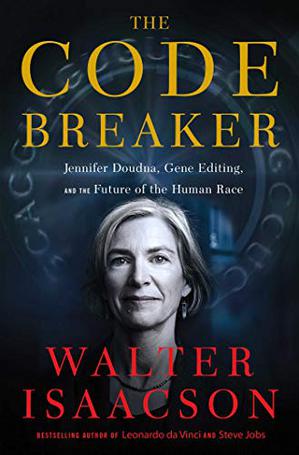 THE CODE BREAKER
JENNIFER DOUDNA, GENE EDITING, AND THE FUTURE OF THE HUMAN RACE
BY WALTER ISAACSON ‧
A magisterial biography of the co-discoverer of what has been called the greatest advance in biology since the discovery of DNA.
For the first third of Isaacson’s latest winner, the author focuses on the life and career of Jennifer Doudna (b. 1964). Raised by academic parents who encouraged her fascination with science, she flourished in college and went on to earn a doctorate in biological chemistry and molecular pharmacology from Harvard. After fellowships and postdoc programs at the University of Colorado and Yale, she joined the faculty at the University of California in 2002. In 2006, she learned about CRISPR, a system of identical repeated DNA sequences in bacteria copied from certain viruses. Others had discovered that this was a defense mechanism—CRISPR DNA generates enzymes that chop up the DNA of the infecting virus. With collaborators, she discovered how CRISPR operates and invented a much simpler technique for cutting DNA and editing genes. Although known since the 1970s, “genetic engineering” was a complex, tedious process. CRISPR made it much simpler. Formally accepted by the editors of Science in 2012, the co-authored paper galvanized the scientific establishment and led to a torrent of awards, culminating in the 2020 Nobel Prize in chemistry. At this point, Isaacson steps back, keeping Doudna as the central character but describing the rush to apply gene editing to altering life and curing diseases, the intense debate over its morality, and the often shameful quarrels over credit and patents. A diligent historian and researcher, Isaacson lucidly explains CRISPR and refuses to pass it off as a far-fetched magic show. Some scientific concepts (nuclear fission, evolution) are easy to grasp but not CRISPR. Using charts, analogies, and repeated warnings for readers to pay attention, the author describes a massively complicated operation in which humans can program heredity. Those familiar with college-level biology will have a better time, but nobody will regret the reading experience.
A vital book about the next big thing in science—and yet another top-notch biography from Isaacson.
Relevant story about using mRNA to make the Pfizer and Moderna vaccines:
https://www.nytimes.com/2021/04/08/health/coronavirus-mrna-kariko.html?searchResultPosition=1
Side read courtesy of Bert. https://interestingengineering.com/crispr-breakthrough-scientists-can-now-turn-genes-on-and-off-at-whim
Tom Igoe’s notes: Notes on Code Breaker by Walter Isaacson from Tom Igoe
CA Host: Bob Baker
Presenter: Jim Phillips
Biden’s American Rescue Plan-Discussion Topics
What will the likely impact be for unemployment from the passage the ARP?
The US will see improved economic growth in 2021 over 2020. How much of the growth will be the result of the Covid relief bill? major or minor impact?
What has been the effect on the size of the workforce due to added amounts to unemployment payments? Has the workforce been reduced permanently?The bill includes more generous subsidies for health care under the ACA. Childcare tax benefits are for two years. Is it expected they will be made permanent, and at what cost?
Certain business sectors most burdened by the pandemic are restaurants, travel, entertainment. What is the outlook for the recovery in these sectors?
The ARP contains $10 billion for infrastructure, an almost insignificant amount. Can we expect infrastructure proposals this year for a major amount?
What is the outlook for more regulation? Incentives for climate change? How will it be paid for?
What are expectations for tax hikes on corporate and personal income? Who will be targeted?
Will raising the corporate taxes from 21% to a likely 28% derail the recovery?
What is the likelihood of making cannabis legal at the Federal level under Biden?
2021 Economic Outlook under Biden Administration
2021 Global Economic Outlook _ Morgan Stanley 2_21
Economic outlook for 2021 _ Fidelity
https://www.cnn.com/2021/03/04/politics/senate-stimulus-package-what-to-expect-guide/index.html
Theme by Anders Noren — Up ↑