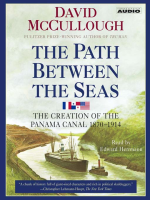
 On March 8 at 1:30. we will discuss a first-rate drama of mobilization and diplomacy “not unlike that of war.” When fifteen years of struggle by Suez veteran Ferdinand de Lesseps to build a canal through the Panamanian isthmus collapsed through tropical disease, logistical barriers, and financial disgrace, two Americans managed literally superlative accomplishments: moving billions of cubic yards of dirt, harnessing one of the world’s most savage rivers, developing an unprecedented lock and electrical system, and, not least, defeating the Anopheles mosquito. In an open, vigorous style, author David McCullough contrasts the manic-depressive attitudes of French and American populations and leaders toward the canal with the cool perseverance of his two heroes: the engineer John Stevens, a former common laborer who took charge of the collapsing canal project and realized that the problem was not digging but transportation; and Dr. William Gorges, who conquered malaria and yellow fever in a region where hospital rooms used to literally shake from patients’ chills.
Ironically, it was the often jingoistic “Manifest Destiny” rhetoric and the medical experience of the brutal Spanish-American War that provided Congressional backing and scientific leads for the Panama task. A further twist was the origin of the Panamanian republic which permitted the canal to go through: French adventurer Phillippe Bunau-Varilla executed a coup against Colombia in 1903 for “the greater glory of France,” then, according to McCullough, promptly put the new nation and its treasury under the wardship of the U.S. State Department and the House of Morgan, respectively. Meanwhile, viewing the French example, Congress so feared possible graft in Panama that it threw horrific red tape around the canal project. But Stevens was able to recruit the greatest engineering minds of the period – and the book is able to recapture their breakthroughs.
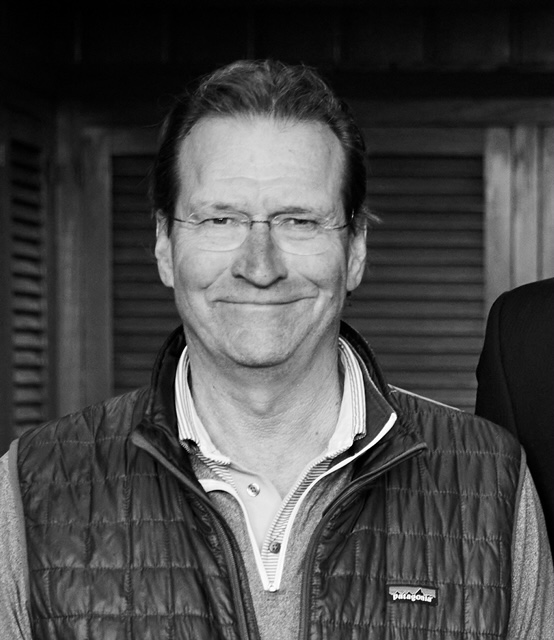

 Author and architect Phillip James Dodd takes a close look at some of the finest examples of architecture in New York City – exploring four of the buildings featured in his book An American Renaissance: Beaux-Arts Architecture in New York City. While showing public exteriors, the lecture will also focus on the lavish interiors that are associated with the opulence of the Gilded Age—often providing a glimpse inside buildings not otherwise viewable to the public. Dodd recounts the fascinating stories of some of New York’s most famous and significant architectural landmarks, as well as those that commissioned and built them.
 Dr. Alan Addley, Superintendent of Schools in Darien, will provide a report on the state of the public school system in our Town and the most significant issues currently being addressed by the Darien Board of Education and its staff. Alan was appointed School Superintendent in July 2019. Immediately prior to that time, he served for 11 years as superintendent of schools in Granby, Connecticut.
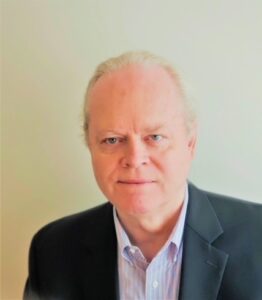 Mark Nunan, who has spoken to the DMA previously on Robert Moses, Fiorello La Guardia and Martin Van Buren, will discuss Daniel Patrick Moynihan as a practical theorist about the challenges of governing in the second half of the 20th Century, and as a practicing governmental professional from the mid 1950’s up until the completion of his fourth term in the U.S. Senate in January 2001.
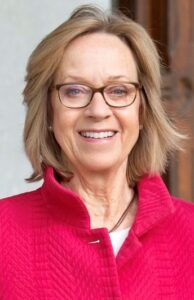 Terrie Wood will provide general reflections on her years of service in the Connecticut legislature, the early voting and other election proposals currently pending before the legislature, and her 2023 – 2024 engagement as a fellow of the Yankee Institute, an organization whose mission is to empower the people of Connecticut to forge a brighter future for themselves and their families by equipping them with the information they need to be knowledgeable, involved citizens, and by advancing policies that promote smart, limited government; fairness for taxpayers; and opportunity for all.
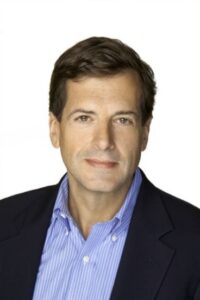 John McIntire will speak with us about his personal experiences and history with the island of Cuba. In particular, John will discuss the Cuban diaspora, U.S./Cuba politics, and his role as co-founder and chairman of the Cuba Emprende Foundation, a 501(c)3 organization that sponsors the largest entrepreneur training program on the island. Since 2012, the Foundation has supported programs which have graduated 8,000+ entrepreneurs and supported 6,000+ small businesses.