Category: Speaker Announcements (Page 25 of 45)

Speaker programs at Wednesday DMA Meetings

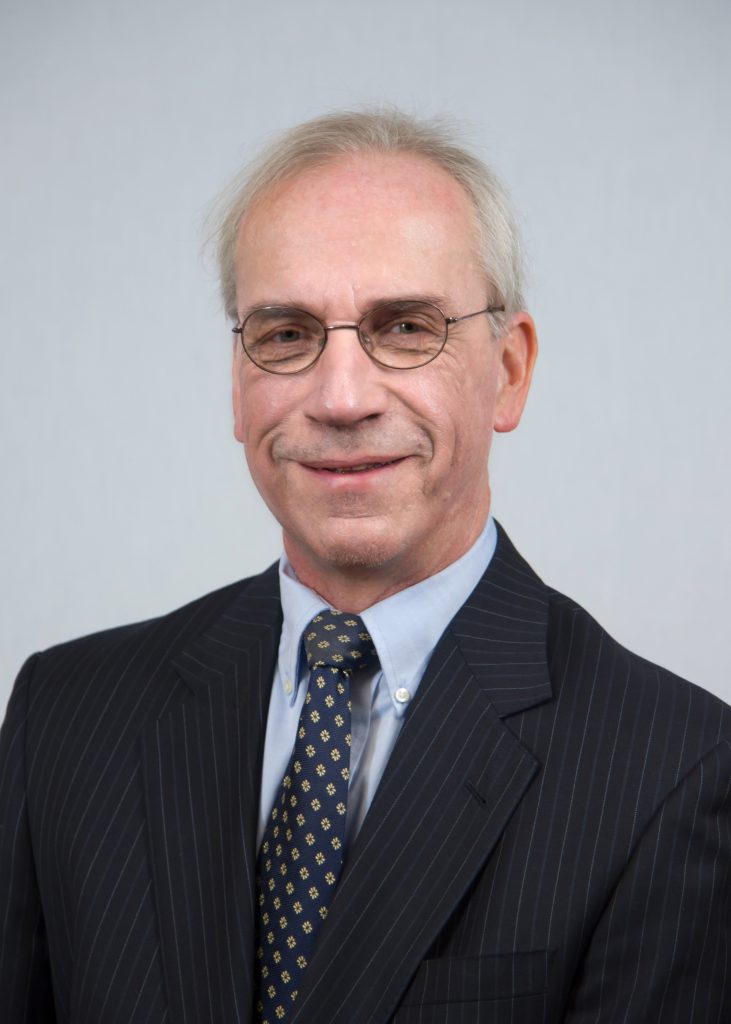
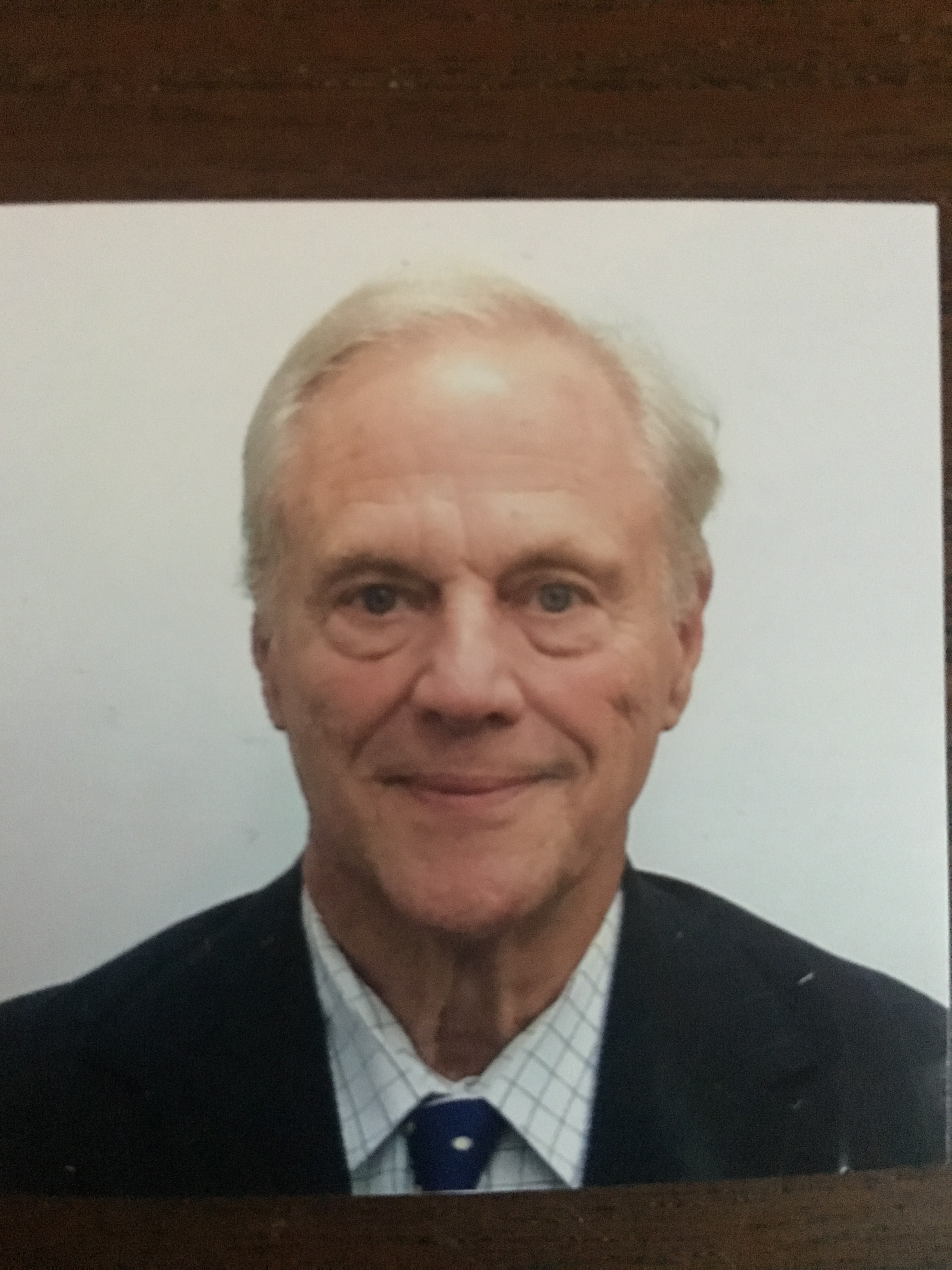
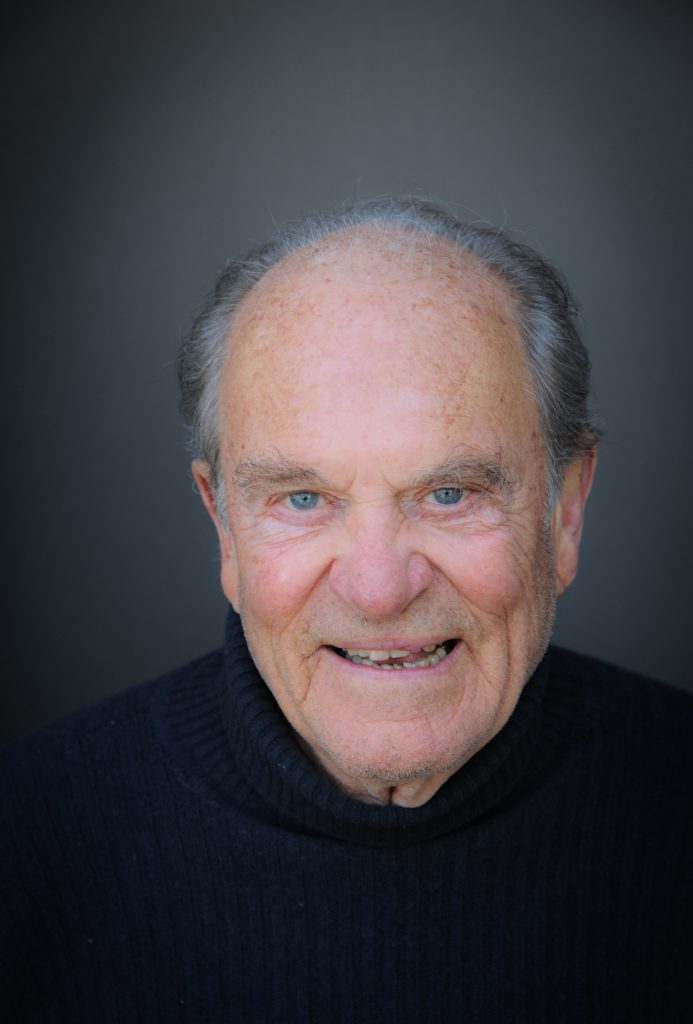
Flemming Heilmann, Odyssey Uncharted, January 23, 2019

Flemming Heilmann discusses Odyssey Uncharted, a memoir of his World War II childhood and education on four continents. His is a coming-of-age story against a backdrop of historical events and is shaped by immersion in the cultures of Southeast Asia, Australia, Denmark and England. Flemming was born in 1936 of Danish parents in what then was known as Malaya. Spending his early childhood there, he was forced by the Japanese invasion to evacuate to Australia in 1941. The family spent the war as refugees. When the war ended in Europe, and prior to Japanese capitulation, the family traveled home to Denmark on a troopship, evading kamikaze attacks in the Pacific. Flemming’s education spanned Australia, Denmark and the United Kingdom, where he spent four years at Gresham, a boarding school where he instigated a successful mutiny against a tyrannical headmaster, resulting in his being ousted. Vacations were spent in Malaya surviving terrorist attacks, meeting the King of Swaziland and confronting apartheid in South Africa. He graduated from Cambridge with a law degree. The memoir covers his life through his first job at age 22. After a 40-year career as an international business executive, Flemming now is retired and lives with his wife Judy in Rowayton. They have four sons, a daughter and nine grandsons.

Arranged by Sunil Saksena

Odyssey Uncharted – a World War II Childhood Adventure and Education Wrapped in mid-20th Century History by [Heilmann, Flemming]

A yarn about Flemming’s itinerant World War II childhood and education in British colonial Malaya. The book leaps into a roiled global environment, which forces risky decisions and navigation of uncharted waters, sink or swim.

Imminent Japanese invasion plucks the frail five-year-old Flemming out of his environment within the bosom of benign Muslim culture on a Malayan rubber plantation, where his father is in charge of a Danish owned group of properties. Abdul Rahman is his Malay mentor, whose daughter, Fatima, is his beloved playmate. Alongside his brother, John, and mother, Hedde, he waves his father a fearful, tearful farewell in a monsoon deluge as an evacuation vessel inches sideways from its Singapore dock through the gloom. They are refugees headed for unknown Australia, while his father, known as PB, stays at his job managing the plantations until he too must flee. Eventually, PB escapes with newfound friends on a river steamer stolen in Singapore Harbor, to reach Perth via the Indonesian archipelago after months of naked peril. The family is reassembled for years of refugee life assuaged by generous Australians.

Peace in Europe prompts another perilous odyssey, evading kamikaze attacks in the Pacific, and returns the family to Europe before the Japanese capitulate. As Hedde returns to Malaya to join PB, her religious conviction consigns Flemming to an evangelical school in otherwise secular Denmark. Beyond reach of missionaries, he sinks roots into Danish culture, observing its socialist embrace of Janteloven – a Nordic egalitarian dogma, which scorns individualism and personal achievement. Upon a return visit to his parents in Malaya, he survives a communist insurgent attack on the plantation homestead, and then soaks up the eclectic folklore, colors, sounds and smells of the country. PB’s pragmatic leadership and grasp of risk make a deep impression.

In England, Flemming at last spent four years at Gresham’s School after attending nine different schools in eight years of frenetic change. He embraces western democracy with a dash of Danish egalitarianism and a heavier dose of market economics gleaned from his teacher and mentor, Eric Kelly. Sports become a priority. He gets to appreciate America’s role in the post-war global recovery and sees its economic engine driving social and technological progress. A long vacation exposes him to South Africa’s early apartheid and an encounter with Swaziland’s King Sobhuza, resplendent in leopard skins and eagle feathers. Back at school in England he leads a precocious mutiny, unseating the perverse headmaster.

Years in the academic cocoon that is Cambridge University are stimulating, yet sometimes frivolous. Preconceptions are reversed, religion rejected, government intervention in personal choice is confronted. Policies of entitlement, and the dependence they foster, are questioned as Flemming focuses on opportunity and self help. New career aspirations are hatched. The sway of teaching masterminds on this unexceptional student inevitably molds a solid intellectual footing. Life is replete with social events and rugby. The traditions, scenery and architecture of this ancient crucible of learning are soaked up. Finally, two years of hands-on training in the grimy industrial heartland of Britain help prepare Flemming for the real world. The yarn concludes as he disembarks in Cape Town to plunge into an uncharted career in the African hinterland beyond Table Mountain’s purple silhouette. There he will either sink or swim.

An epilogue visits lessons learned from an itinerant childhood and realities encountered. They pertain to issues like religion, sociopolitical dogma, family structure, waste and the role of risk in mankind’s progress – issues given short shrift in today’s classrooms, where preconceptions, risk aversion and instant gratification displace the recognition of opportunity.

Video of presentation: https://www.youtube.com/watch?v=ciPh0SNBz-I

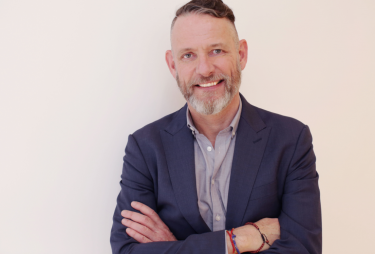
Andrew Wilk, Live from Lincoln Center, January 16, 2019


Andrew Wilk,executive producer and director of the PBS series “Live from Lincoln Center,” will talk about his long career in broadcast entertainment, with particular focus on the last seven years with the Lincoln Center series. Andrew is an experienced television and media executive with a history of creating innovative, award-winning programming. His work has earned five personal Emmy Awards with 15 nominations. He also is an acclaimed playwright, director and accomplished symphony conductor. He was chief creative officer at Sony Music Entertainment, overseeing visual content for Sony’s label groups and leading Sony’s digital music expansion. He was instrumental in the launching of the worldwide National Geographic channel and developed its initial programming. In 2011, Andrew became the second executive producer and director in the 44-year history of “Live from Lincoln Center” and “Lincoln Center at the Movies.” Andrew holds a bachelor’s degree from Tisch School of the Arts at New York University. He and his family live in Westport.

Arranged by Bud Bain

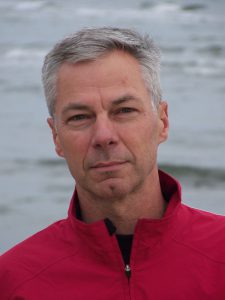
Bill Rycek, History of Football, January 9, 2019

Bill Rycek will talk about the history of semipro and pro football in Connecticut. This narrative of minor league football teams in Connecticut in the 1960s and 1970s is based on extensive newspaper and periodical research and interviews with nearly 70 former players, broadcasters and journalists. Only a few players – like Marv Hubbard, Lou Piccone and Bob Tucker – made it to the NFL, but many more played for as little as $25 per game in their quest to make it big or just have fun. Wealthy men like Pete Savin and Frank D’Addario owned teams in Hartford and Bridgeport. In the days before cable television saturated the media with live sports, small town fans turned out to support their local heroes, often men who worked on construction crews during the week and stopped by the diner Sunday morning to talk football. Now in their 60s, 70s and 80s, these men share their stories of a simpler era: the good times, like the Hartford Knights’ 1968 ACFL championship season and the long bus rides and missed paydays that were as much a part of minor league ball as first downs and interceptions. Bill is a finance professional from Wallingford who has written eight books on sports history, including a trilogy on 19th century baseball, three books on baseball during the 1960s and two books on professional football in the 1960s. His work has earned a number of awards, and he has edited and contributed to other books and publications on the history of sports.

Arranged by Gehr Brown

Video of presentation: https://www.youtube.com/watch?v=8xC5cOIW_oY

Mark Albertson, The Rise of Hitler, January 2, 2019

Mark Albertson will speak on “The Rise of Hitler.” Mark is an exciting speaker who has spoken to us before on historical topics. 
He is the historical research editor at ArmyAviation magazine and is a long-time member of the United States Naval Institute. 
In addition, Mark teaches history at Norwalk Community College. His courses include World War I and Iraq; Creation of Colonialism; A History of Vietnam; A History of World War I; the Turning Points of World War II; the Great Patriotic War, the Titanic Clash between Nazi Germany and the Soviet Union; and American Empire, Grand Republic to Corporate State. 
In May 2005, Mark was presented with a General Assembly Citation by both houses of the state legislature in Hartford for his effort in commemorating the centennial of the battleship Connecticut.


Video of presentation: https://www.youtube.com/watch?v=A5KjWz3aoPw


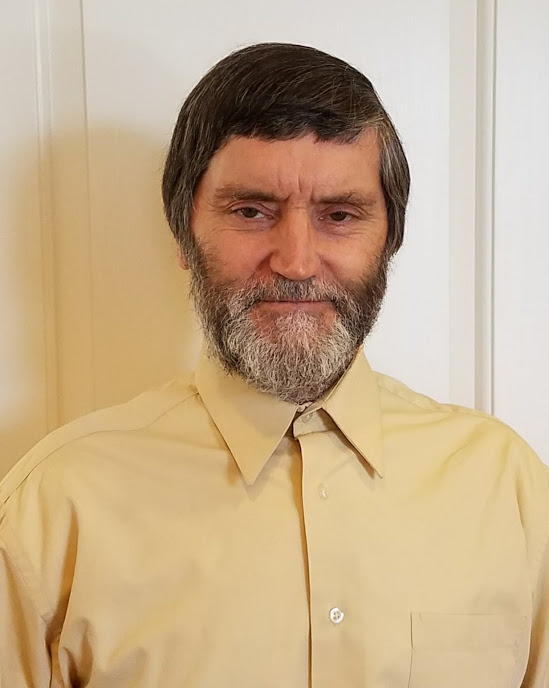
Frank Sparks, M.D.:“How the Great Pyramid Was Really Built (It’s Not Like You Think)”, December 19, 2018

Frank Sparks, M.D., will speak on “How the Great Pyramid Was Really Built (It’s Not Like You Think).” His talk will debunk the popularly held belief promoted by egyptologists that the Great Pyramid was made from perfectly quarried 2.5-ton limestone blocks that were then lifted to the top of the pyramid and became the tallest building in the world upon its completion 4,800 years ago. In the past 30 years, electron microscopy has shown that the pyramid “stones” are manmade blocks of limestone in the form of a polymer that contain chemicals not found in any of the limestone in the world. What actually happened was that the Nile-flooded limestone was easily raked apart; it was carried up to the pyramid in baskets where chemicals were added; and the contents were dumped into molds that then set within 24 hours. Professor Hobbs of MIT says this has been repeated worldwide, making this approach a fact, not a theory. Dr. Sparks is a resident of New Canaan, where he lives in retirement with his wife Michelle. They have six daughters and 10 grandchildren. He received a B.S. and M.D. from Northwestern University and an M.B.A. in finance from the University of Connecticut. He was a surgeon at the National Cancer Institute and also at NYU, UCLA and UConn, where he was both a surgeon and professor and chairman of the Department of Surgery. He has authored 79 peer-reviewed papers and more than 100 abstracts and has received $1.6 million in research grants. His background in chemistry and physics led to his interest in how the Great Pyramid was built.

Arranged by Sunil Saksena

Video of talk: https://www.youtube.com/watch?v=ocp4P9wFNi8

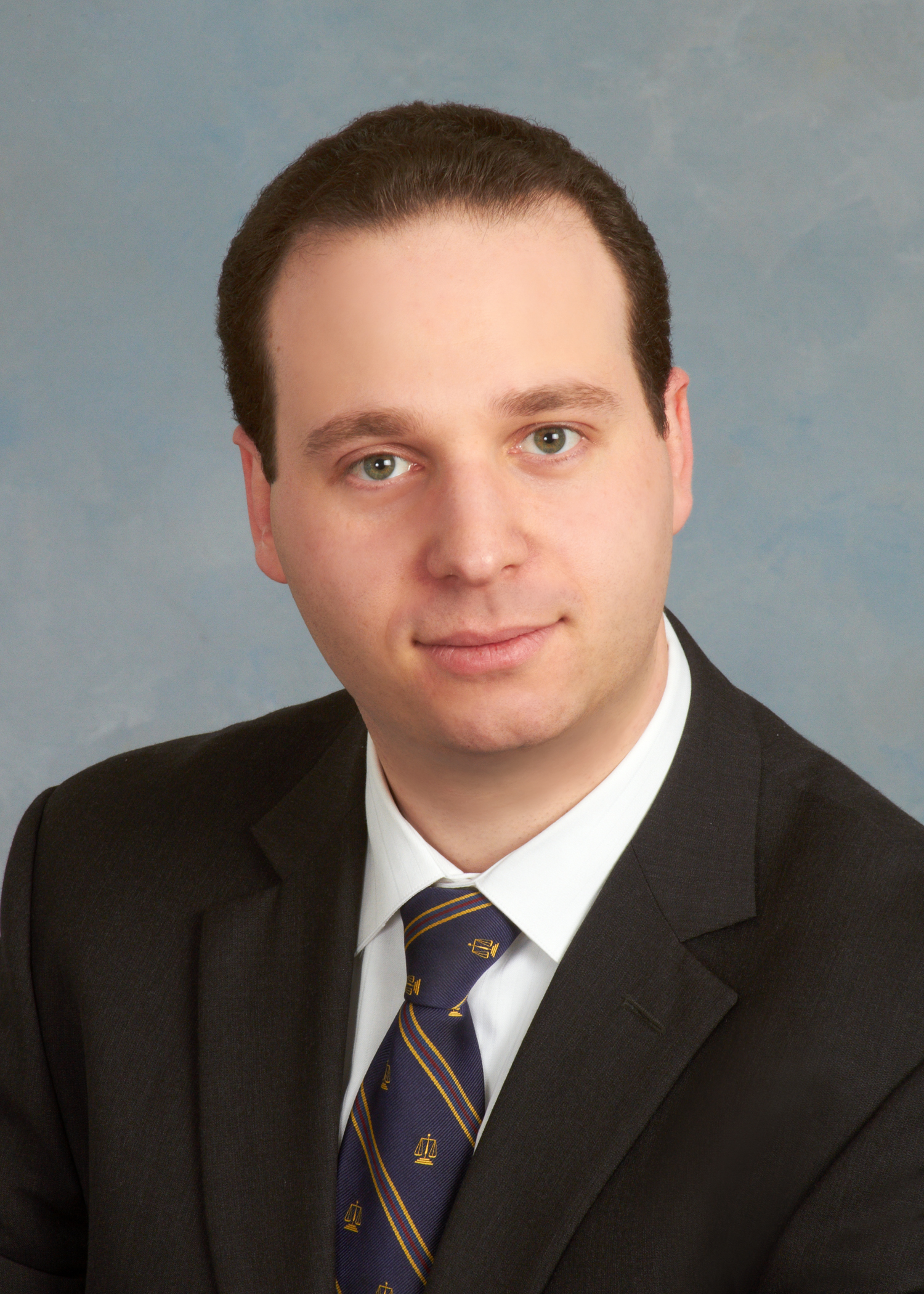
Aleksandr Troyb: “Myths about immigration rules”, December 12, 2018

Aleksandr Troyb will discuss the commonly held myths regarding immigration rules as they exist today. His talk will draw on his experience as a practicing immigration attorney advising individuals, as well as corporations, with their immigration issues. He also will discuss aspects of the “Gang of 8”immigration bill, which passed the Senate on a bipartisan basis a few years ago but never was taken up by the House, as well as the outlines of the immigration proposals being discussed by the Trump administration. Alex is an attorney practicing with the law firm of Benjamin, Gold & Troyb, P.C. in Stamford, where he advises clients on various aspects of immigration law and regulations. He is licensed to practice in Connecticut and New York courts, as well as the Federal District Court for the District of Connecticut. Alex serves as a committee co-chair of the Connecticut Chapter of the American Immigration Lawyers Association, where he previously served as the chapter chair and member of the National Board of Governors. In addition, Alex serves as treasurer on the Executive Committee of the Fairfield County Bar Association, where he also serves as a committee co-chair.

Arranged by Sunil Saksena

Speaker video: https://www.youtube.com/watch?v=UcP51roJwHg

David McKillop:“Ten Pillars of Programming”, December 5, 2018

David McKillop will talk about “Ten Pillars of Programming.” It’s a personal look as to how nonfiction TV shows, such as reality series and documentaries, are developed inside a network. It includes insights into how to develop, nurture and grow creative teams within a traditional corporate environment. David is a seasoned American producer who has developed and delivered popular cable hits on three networks: A&E, History and Discovery. David most recently served as chief creative officer and partner of Propagate, a multiplatform production company funded by A&E Network. Prior to this, he was general manager of A&E Network, where he was instrumental in the development and production of the Oscar-nominated and Emmy-winning feature documentary “Cartel Land,” cable’s most-watched nonfiction series of all time “Duck Dynasty” and the record-breaking hit series “Storage Wars.” Earlier in his career, he was vice president of production for Discovery Channel and then senior vice president at the History channel. His credits include the Emmy award-winning documentaries “Gettysburg” and “102 Minutes that Changed America.”

Arranged by Sunil Saksena

Speaker video: https://www.youtube.com/watch?v=HPnuSWrC_8A

James von Klemperer: “Building One Vanderbilt Place:, Wednesday, November 28, 2018

James von Klemperer will focus on architectural design and other factors associated with the creation and construction of super tall buildings, including the 435-meter skyscraper currently being erected at One Vanderbilt Place next door to Grand Central Station. James serves as the president and design principal of Kohn Pedersen Fox Associates, PC. He has been responsible for the design of major commissions throughout North America, Europe and Asia. James has lectured at Harvard University, Columbia University, Miami University, Smith College and Ecole Speciale d’Architecture in Paris, as well as at congresses in Jakarta, Seoul and Mexico. He served on the Zoning Board of Appeals in Darien from 1996 to 2003. He is an active member of ULI, as well as the Institute for Urban Design. His work abroad includes the U.S. ambassador’s residence in Nicosia; Dongbu Financial Center, winner of an Honor Award from the AIA New York City Chapter; and 30 Hill Street in Singapore on the site of the former U.S. embassy. James is working on New Songdo City, a 1,500-acre free trade zone in Korea. His work in the United States includes the Daniel Patrick Moynihan U.S. Courthouse in New York City, which was the recipient of the 1996 General Services Administration Design Award; the Institute for International Economics in Washington, D.C., winner of an Honor Award from the Washington, D.C., Chapter of the AIA; 640 Fifth Avenue, winner of a New York construction newsletter: “Best of 2004 Renovation Award of Merit”; and the award-winning Mohegan Sun Resort hotel, casino and arena in northern Connecticut. James received a B.A. from Harvard University, a master of architecture from Trinity College, Cambridge and a master of architecture from Princeton University.

Arranged by Tom Haack

Speaker video: https://www.youtube.com/watch?v=hFMsFNBkDZ4

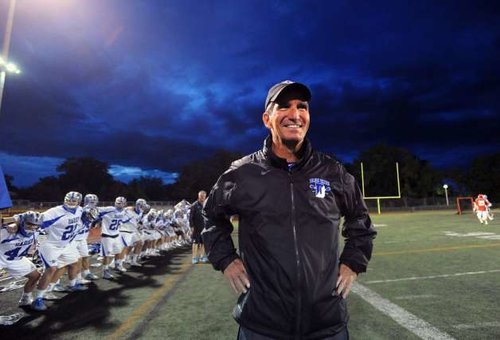
Jeff Brameier: “The Importance of Athletics in High School”, November 14, 2018

Jeff Brameier’s talk is entitled “The Importance of Athletics in High School.” Athletics have been a mainstay of the high school scene for decades. Today, the field has vastly expanded, giving an ever greater variety of competitive options to both male and female students. While students get involved in high school athletics for the sheer love of the game, there are significant benefits from these extracurricular activities. The discussion will focus on the experiences Jeff has drawn on from his 40+ years of coaching at Darien High School. He was raised in Darien. He heads into his 36th season at the helm of Darien High School boys lacrosse program, where he has guided his teams to a win-loss record of 594-133 (.818), winning 17 FCIAC League Championships, 13 State Championships, including six in a row from 2005-2010. His team was ranked #1 public school in the country in 2014 and 2017. He has coached 91 high school All-Americans, 175 High School All-State players, 14 Connecticut Players of the Year and has been named Connecticut Lacrosse Coach of the Year five times. He was National Coach of the Year in 2014 and was inducted into the Connecticut Lacrosse Hall of Fame in 2011. He has been president of the Connecticut High School Lacrosse Coaches Association for the last 31 years. In the past, he also has coached the Darien High School football and swim teams.

Arranged by Sunil Saksena

Speaker video: https://www.youtube.com/watch?v=m5enNSJfK6Q

Richard Frisch: “From Grunts to Tweets, the History of Human Communication” , Nov 7, 2018

Richard Frisch will speak on “From Grunts to Tweets, the History of Human Communication.” He will discuss why speech arose and why Homo sapiens is the only species to develop language. His talk will focus on four topics: development of spoken language, development of written language, electric/electronic communication, and neural communication in the present and future. Richard has been entertaining and informing groups about technology topics for over a decade. Recent presentations have been “Is Privacy Dead?” “The History of Recorded Sound,” and “How Big Data, Neuroscience and Psychology Are Used to Manipulate Us.” Richard runs RHFtech, providing technology guidance and support to small businesses. He was an executive in the financial services sector for 30 years. He has a B.S. in physical anthropology from Duke University and an M.B.A. from Harvard University. He and his wife Marianne and have lived in Weston for more than three decades. They have one daughter, an attorney who works for the Department of Justice.

Arranged by Andre Guilbert


Speaker video: https://www.youtube.com/watch?v=Ww-R7Gj4Y7U

Richard E. Hyman
Journeys With Cousteau and the Crew of Calypso, Oct 10, 2018

Richard Hyman will be sharing stories and photographs about his time working for the famed Captain Jacques-Yves Cousteau.
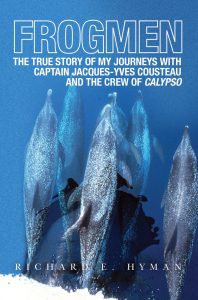
Richard was a professional diver and photographer for Cousteau. He worked his way up the ladder, first driving a supply truck from L.A. to the Canadian wilderness and there building a cabin with Cree Indians for the Cousteau team to winter in and film Beavers of the North Country. A year later, as a deck hand aboard Calypso, they filmed The Incredible Migration of the Spiny Lobsters in Mexico, before sailing south to Belize, where they filmed the spawning of thousands of grouper, The Fish that Swallowed Jonah. Singer songwriter John Denver paid a visit and performed a televised concert on Calypso’s foredeck. On Richard’s final expedition he graduated to diver and photographer, where en route to Venezuela, he experienced treacherous deep dives on the wreck of the USS Monitor off North Carolina, skeletons inside wrecks off Martinique, and the death of Jacques Cousteau’s son, Philippe.
Richard is a PADI-certified Aquanaut, a member of the Marine Biology Hall of Fame, and a Trustee of the Fabien Cousteau Ocean Learning Center.

Stories about life aboard Calypso and Cousteau, once one of the most recognized names in the world, should interest most everybody, particularly adventurers, Denver fans, divers, environmentalists, photographers, travel buffs, and videographers.
www.richardehyman.com
richardehyman@gmail.com
Mobile 203-456-4271


As a kid, I spent as much time as possible under water. Cousteau was my hero.  Here is a video that is sure to be an earworm as you enjoy this talk. Gary

https://www.youtube.com/watch?v=35x_rwyBh-8

Aye Calypso the places you’ve been to
The things that you’ve shown us
The stories you tell
Aye Calypso, I sing to your spirit
The men who have served you so long and so well

(We’ll avoid the yodeling part.)

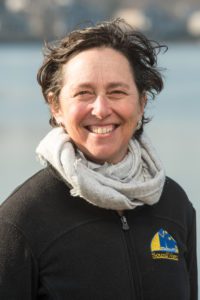
Leigh Shemitz, Ph.D., president of SoundWaters, October 31, 2018

Wednesday, October 31, 2018 

Leigh Shemitz, Ph.D., president of SoundWaters, will discuss its mission to educate children and adults about Long Island Sound and the human impact on the environment. Under her leadership, SoundWaters has expanded its outreach and been the recipient of numerous awards for its work in protecting Long Island Sound through education.  She also serves on the board of directors of the Stamford Environmental Protection Board and is on the board of directors of the Bartlett Arboretum & Gardens. Dr. Shemitz is an emeritus board member of the Urban Resources Initiative in New Haven. In 2005-2006, concurrent with her position at SoundWaters, she served as a research affiliate at the Yale School of Forestry & Environmental Studies. Before joining SoundWaters, Dr. Shemitz was a lecturer at Yale, researching the connection between the environment and human well-being. She was in the Peace Corps as a forester in the Republic of Mali, West Africa. Dr. Shemitz earned a bachelor of arts degree in history and literature from Harvard University and a master’s degree in forest science and a Ph.D. in environmental health from Yale University. She studied nonprofit management at Harvard Business School’s Executive Education program.

Arranged by Robin Hogen

Speaker video: https://www.youtube.com/watch?v=g5QtBNmMi44

« Older posts Newer posts »

© 2026

Theme by Anders NorenUp ↑