Author: Webmaster (Page 41 of 96)

Hike Greenwich Audubon Center Thursday April 22 at 10:00 AM.

Trailmaster: Dave McCollum

Greenwich Audubon Center in Greenwich, CT at 10:00 AM on Thursday April 22.
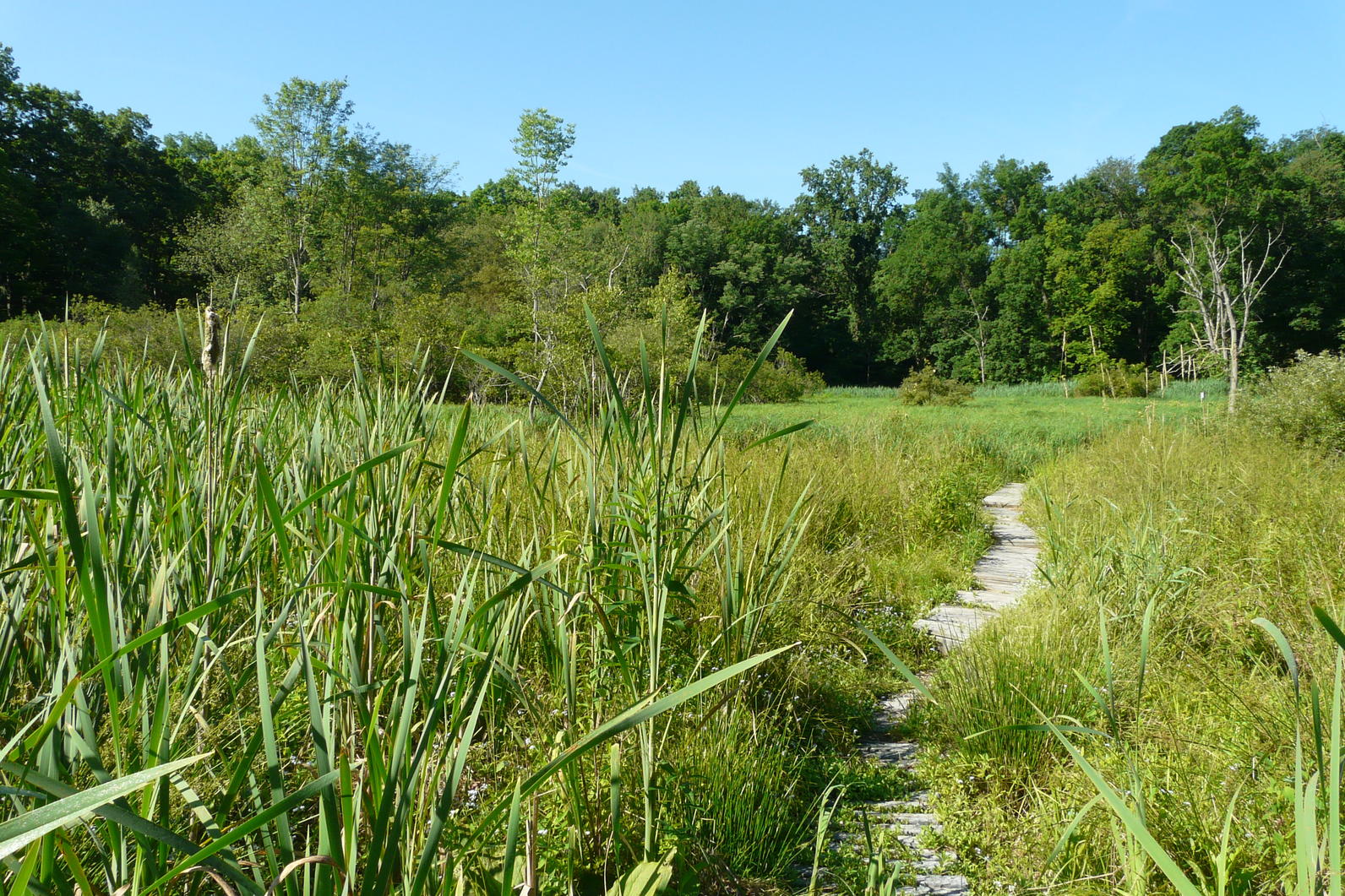
Greenwich Audubon Center is a 285 acre sanctuary which opened its doors in 1943 as Audubon’s first nature education center in the country. Located on land donated by Eleanor Clovis Reese and H Hall Clovis the center includes over 7 miles of trails through a rich diversity of hardwood forest, meadows, lakes, streams and vernal ponds. Also on the property are an expansive Nature Education Center, an old apple orchard and original New England homestead buildings.

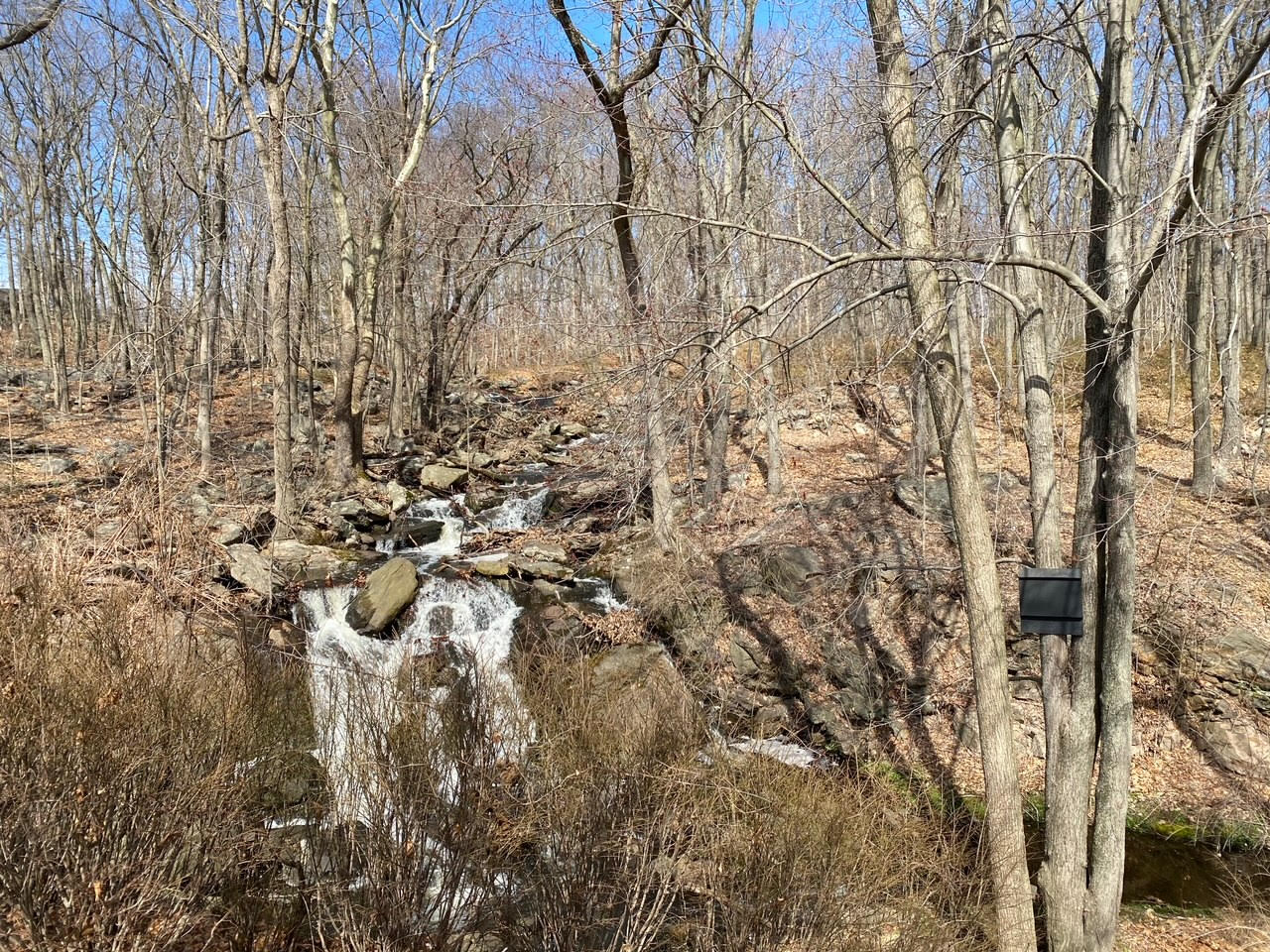
We plan to meet in the main parking lot at 10 AM and hike for about two hours over varied terrain including one steep climb and several sections of rocky trail. We rate this as a hike of moderate plus difficulty. The footing on our pre-hike was very good. The scenery is spectacular particularly at this time of year before the leaves are out.

The Center is located at 613 Riversville Road in Greenwich on the north side of the Merritt Parkway. Exit at Round Hill Road and use GPS to get you to the center. As always, guests and spouses are welcome but no dogs on the property please! There will be no  lunch after this hike.

CONTACTS: Dave McCollum and Bob  Plunkett
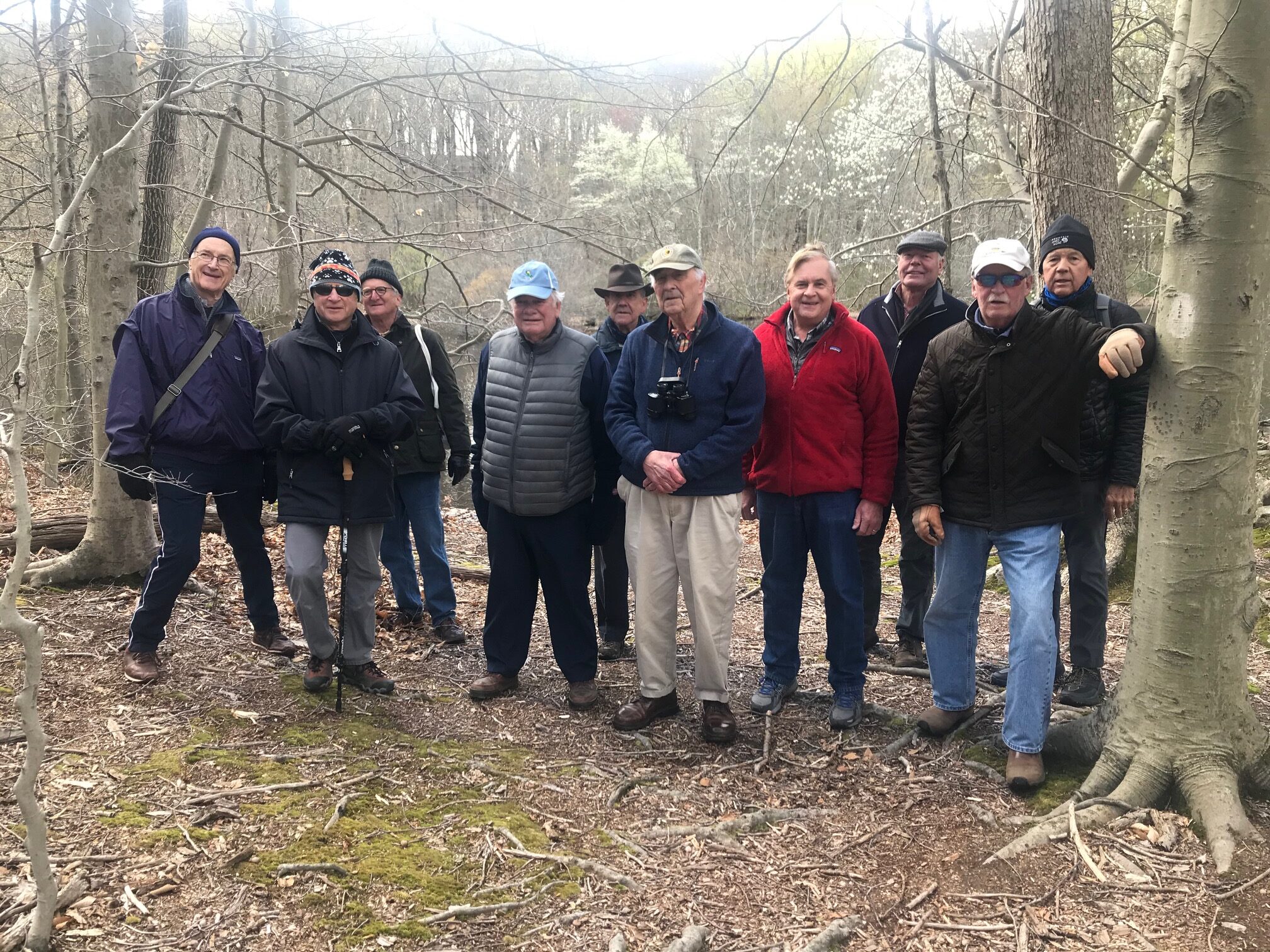
 

Hike recap. On an unseasonably cold and windy April morning, twelve DMAers and guests hiked 2.8 miles in under two hours over spectacular terrain at the 285 acre property which also serves as the education center for Greenwich Audubon.
Located on land donated by the Clovis family the center’s trails traverse meadows, hardwood forests, lakes and some awesome rocks and ravines. Despite the heavy downpour yesterday, the trails were largely dry or just damp. With the
leaves still not out, the varied topography of the center was in full view. What was not in view was wildlife! We saw a grand total of one robin and a chipmunk! All hikers were totally up to the steep (160 vertical feet) path from the lake area
to the parking lot. This is a property that should be on our regular hiking rotation.
IDG: The Biden Infrastructure Plan, April 5, 2021, 10:00

Host: Jim Phillips

Biden Infrastructure Plan

Biden scheduled to give a speech in Pittsburgh at 4:20 PM (nod to cannabis enthusiasts) today for part one of his infrastructure proposal.
Second package to be released in April that will cost more than $1T to focus on social measures, including expanding health care and paid-leave access and extending the child tax credit –offset by tax increases on wealthy individuals.
WH released a Fact Sheet on Biden’s American Jobs Plan.
$2.25T over 8 years paired with tax increases to pay for it in 15 years.
$621B in transportation infrastructure.
$20B for roads.
$85B for public transit.
$80B for Amtrak and rail.
$174B in electric vehicles.
$25B for airports.
$17B for waterways.
$20B for racial equity investments.
$25B for “shovel ready” projects.
$100B in digital infrastructure investment.
$100B to electric grid.
Ten-year extension and phase down of an expanded direct-pay investment tax credit and production tax credit for clean energy generation and storage.
100% carbon-pollution free power by 2035.
$16B in jobs retraining program for fossil fuel workers.
$5B in the remediation and redevelopment of these Brownfield and Superfund sites.
Lifts $3M cap on EDA public works programs.
Reforms and expands the Section 45Q tax credit, making it direct pay and easier to use for hard-to-decarbonize industrial applications, direct air capture, and retrofits of existing power plants.
$10B towards conservation jobs.
$213B to retrofit buildings and homes.
$20B worth of NHIA tax credits over the next five years will result in approximately 500,000 homes built or rehabilitated.
$40B for public housing infrastructure.
$27B Clean Energy and Sustainability Accelerator to mobilize private investment into distributed energy resources; retrofits of residential, commercial and municipal buildings; and clean transportation.
$100B to upgrade and build new public schools, through $50B in direct grants and an additional $50B leveraged through bonds.
$12B for community colleges.
$25B for childcare.
Expanded tax credit to encourage businesses to build childcare facilities at places of work. Employers will receive 50 %of the first $1Mof construction costs per facility so that employees can enjoy the peace of mind and convenience that comes with on-site childcare.
$10B for VA hospitals.
$400B toward expanding access to quality, affordable home- or community-based care for aging relatives and people with disabilities.

Current Affairs: Understanding Modern Monetary Theory, April 15, 2021, 11:00

Host: Bob Baker

Discussion Leader: Henry Cavanna

Outline For Discussion on April 15 about Federal Debt and Deficits. Do They Matter?

I. Background of the US Budget 

II. History of National Debt and Budget Deficits 

III. Modern Monetary Theory and the Impact of Debt and Deficits

Readings:

https://www.econlib.org/library/Columns/y2021/SumnermodernmonetarytheoryPartI.html

https://www.econlib.org/library/Columns/y2021/SumnermodernmonetarytheoryPartII.html

https://www.taxpolicycenter.org/briefing-book/how-does-federal-government-spend-its-money

https://www.nytimes.com/2021/03/25/opinion/biden-us-economy.html?referringSource=articleShare

Federal Spending Charts


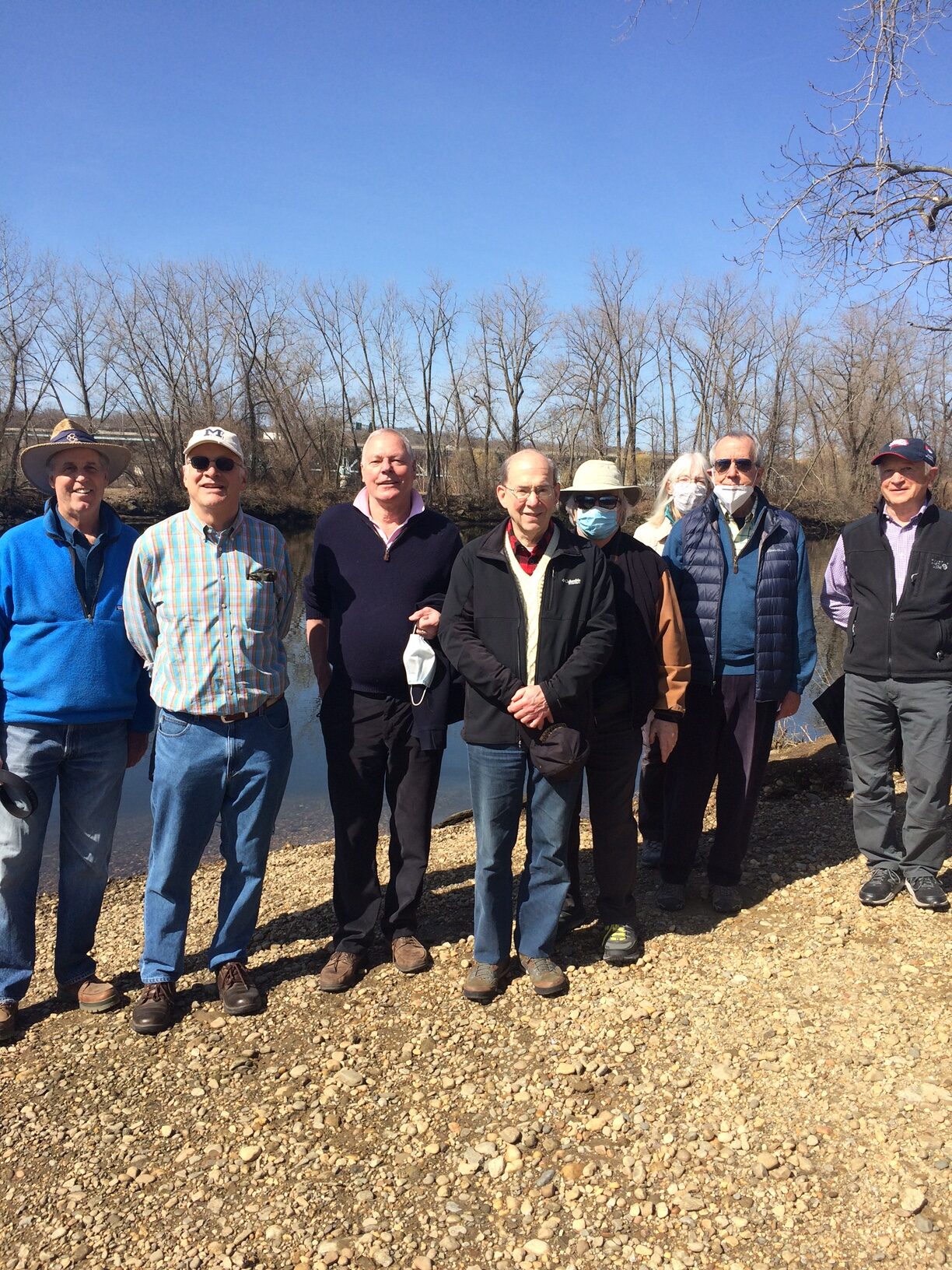
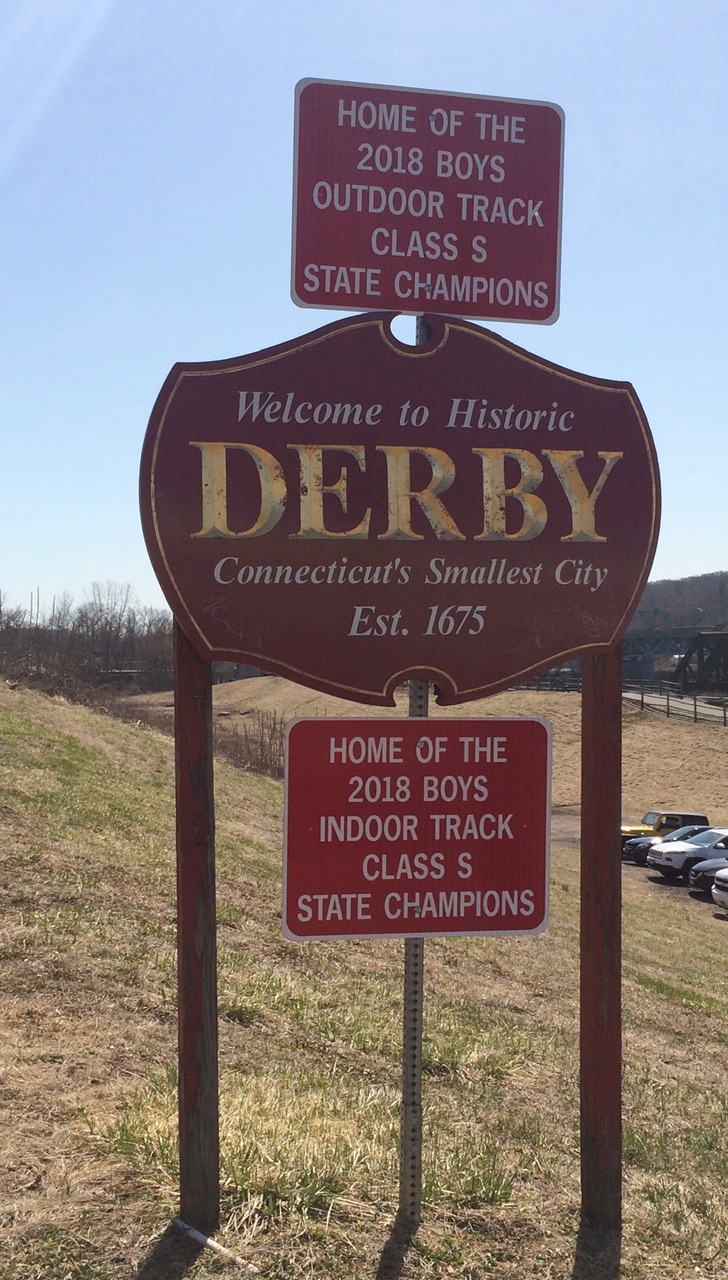
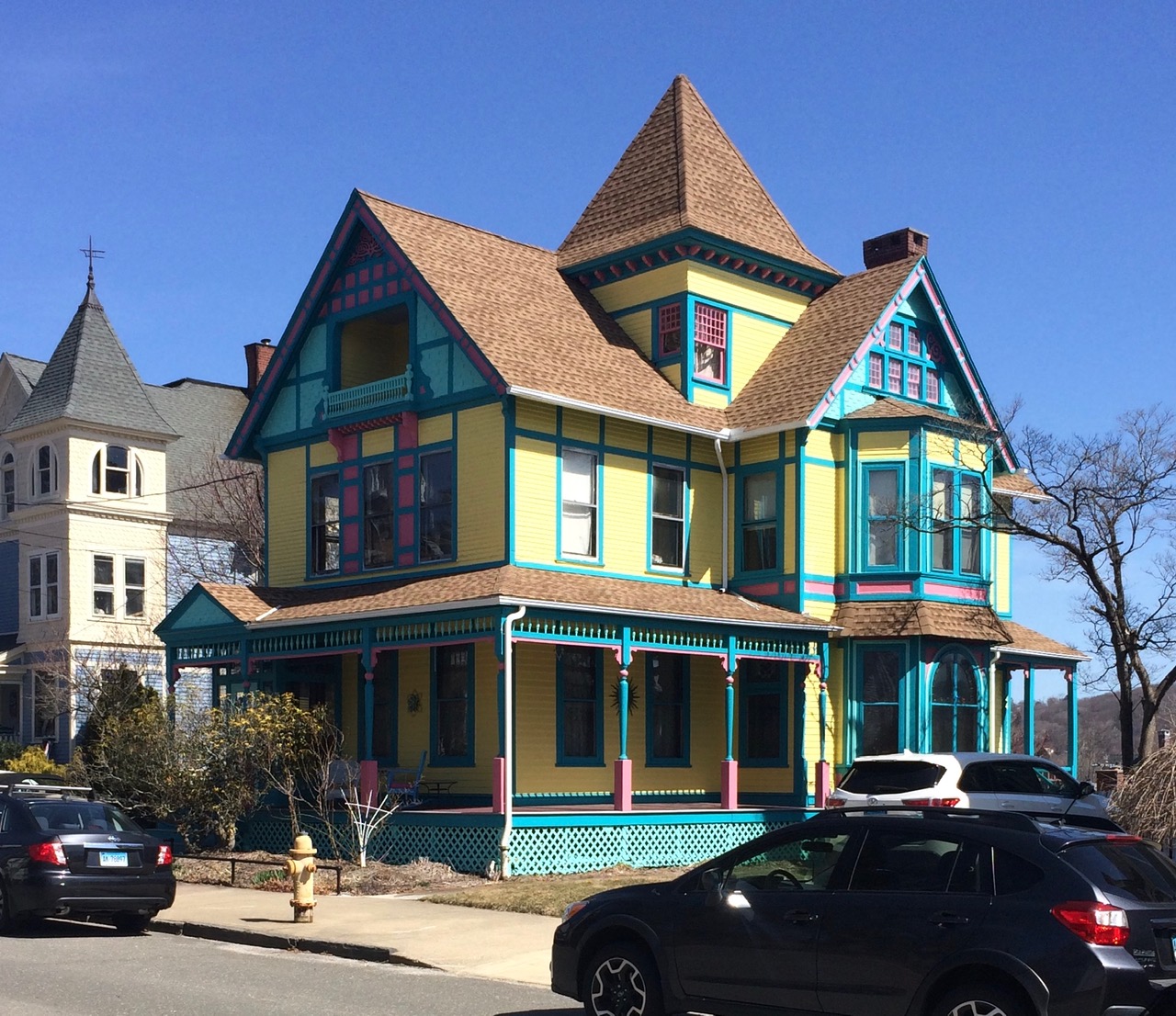
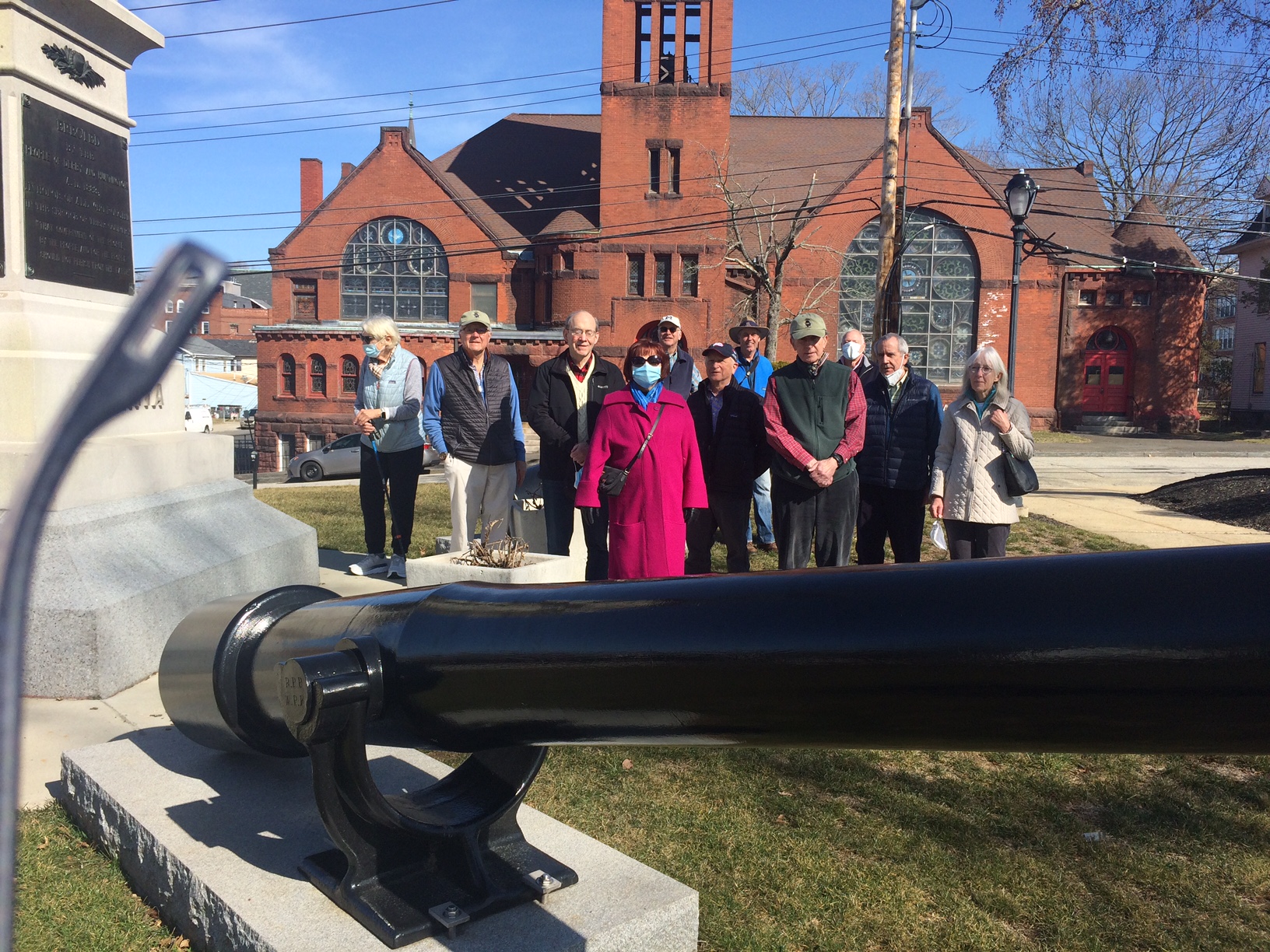
Wander Derby, March 23, 2021

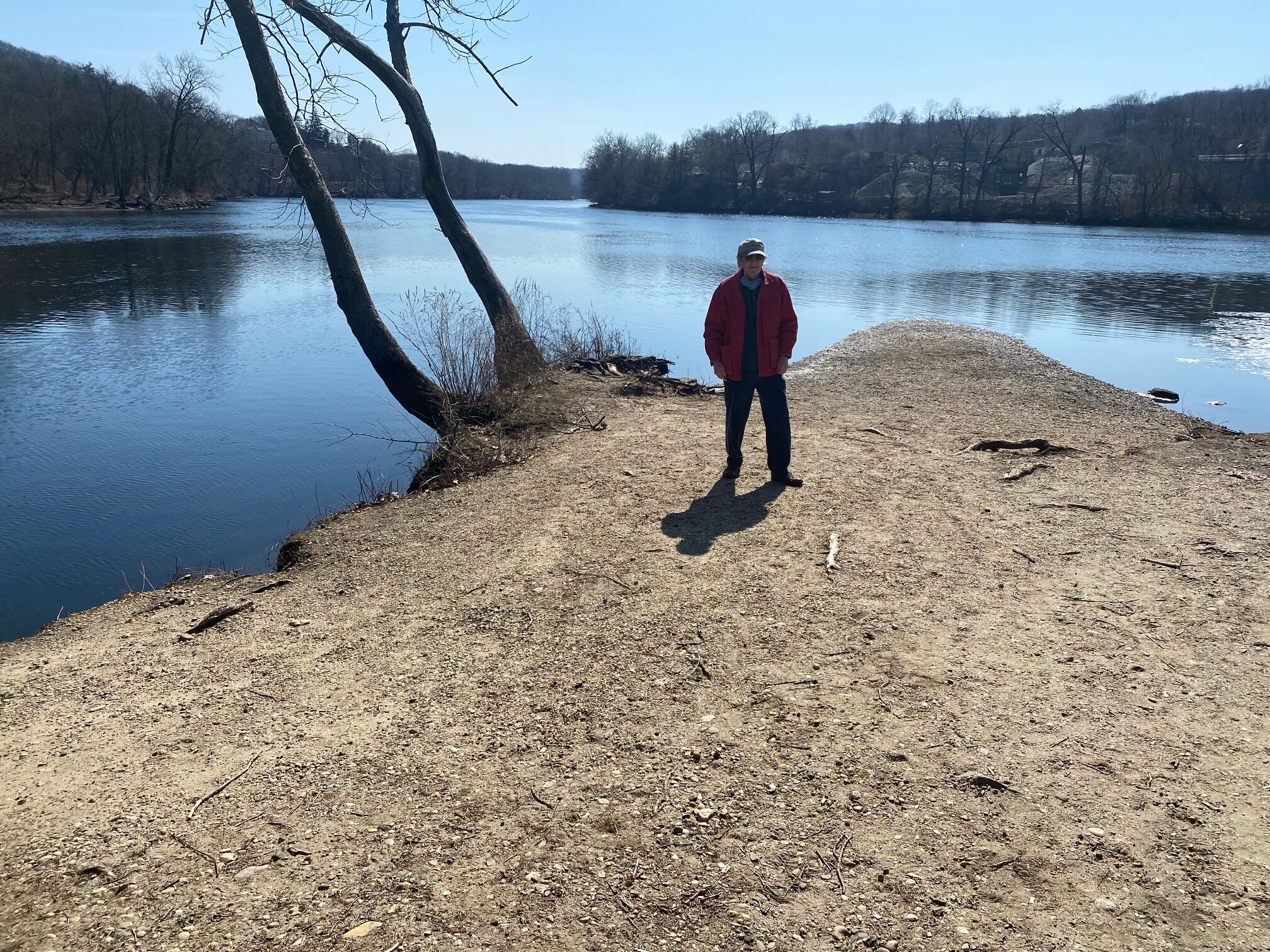
Tues March 23 to Derby. Ct. It is a 40 minute drive. We meet at the Derby library, 313 Elizabeth St, at 10 am.  The photo is the Naugatuck and Housatonic rivers coming together.

Contact David Mace or Joe Spain

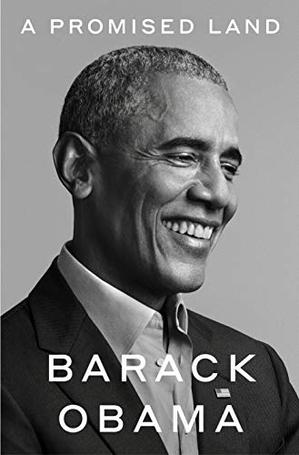
Book Club: A Promised Land by Barack Obama, June 16, 2021

A PROMISED LAND
BY BARACK OBAMA ‧ RELEASE DATE: NOV. 17, 2020

In the first volume of his presidential memoir, Obama recounts the hard path to the White House.

In this long, often surprisingly candid narrative, Obama depicts a callow youth spent playing basketball and “getting loaded,” his early reading of difficult authors serving as a way to impress coed classmates. (“As a strategy for picking up girls, my pseudo-intellectualism proved mostly worthless,” he admits.) Yet seriousness did come to him in time and, with it, the conviction that America could live up to its stated aspirations. His early political role as an Illinois state senator, itself an unlikely victory, was not big enough to contain Obama’s early ambition, nor was his term as U.S. Senator. Only the presidency would do, a path he painstakingly carved out, vote by vote and speech by careful speech. As he writes, “By nature I’m a deliberate speaker, which, by the standards of presidential candidates, helped keep my gaffe quotient relatively low.” The author speaks freely about the many obstacles of the race—not just the question of race and racism itself, but also the rise, with “potent disruptor” Sarah Palin, of a know-nothingism that would manifest itself in an obdurate, ideologically driven Republican legislature. Not to mention the meddlings of Donald Trump, who turns up in this volume for his idiotic “birther” campaign while simultaneously fishing for a contract to build “a beautiful ballroom” on the White House lawn. A born moderate, Obama allows that he might not have been ideological enough in the face of Mitch McConnell, whose primary concern was then “clawing [his] way back to power.” Indeed, one of the most compelling aspects of the book, as smoothly written as his previous books, is Obama’s cleareyed scene-setting for how the political landscape would become so fractured—surely a topic he’ll expand on in the next volume.

A top-notch political memoir and serious exercise in practical politics for every reader.

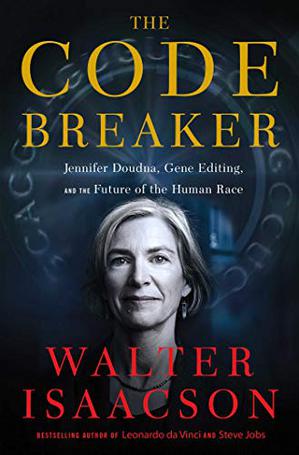
Book Club: The Code Breaker by Walter Isaacson, May 12, 2021

THE CODE BREAKER
JENNIFER DOUDNA, GENE EDITING, AND THE FUTURE OF THE HUMAN RACE
BY WALTER ISAACSON ‧

A magisterial biography of the co-discoverer of what has been called the greatest advance in biology since the discovery of DNA.

For the first third of Isaacson’s latest winner, the author focuses on the life and career of Jennifer Doudna (b. 1964). Raised by academic parents who encouraged her fascination with science, she flourished in college and went on to earn a doctorate in biological chemistry and molecular pharmacology from Harvard. After fellowships and postdoc programs at the University of Colorado and Yale, she joined the faculty at the University of California in 2002. In 2006, she learned about CRISPR, a system of identical repeated DNA sequences in bacteria copied from certain viruses. Others had discovered that this was a defense mechanism—CRISPR DNA generates enzymes that chop up the DNA of the infecting virus. With collaborators, she discovered how CRISPR operates and invented a much simpler technique for cutting DNA and editing genes. Although known since the 1970s, “genetic engineering” was a complex, tedious process. CRISPR made it much simpler. Formally accepted by the editors of Science in 2012, the co-authored paper galvanized the scientific establishment and led to a torrent of awards, culminating in the 2020 Nobel Prize in chemistry. At this point, Isaacson steps back, keeping Doudna as the central character but describing the rush to apply gene editing to altering life and curing diseases, the intense debate over its morality, and the often shameful quarrels over credit and patents. A diligent historian and researcher, Isaacson lucidly explains CRISPR and refuses to pass it off as a far-fetched magic show. Some scientific concepts (nuclear fission, evolution) are easy to grasp but not CRISPR. Using charts, analogies, and repeated warnings for readers to pay attention, the author describes a massively complicated operation in which humans can program heredity. Those familiar with college-level biology will have a better time, but nobody will regret the reading experience.

A vital book about the next big thing in science—and yet another top-notch biography from Isaacson.


Relevant story about using mRNA to make the Pfizer and Moderna vaccines:

https://www.nytimes.com/2021/04/08/health/coronavirus-mrna-kariko.html?searchResultPosition=1

Side read courtesy of Bert.  https://interestingengineering.com/crispr-breakthrough-scientists-can-now-turn-genes-on-and-off-at-whim

Tom Igoe’s notes:  Notes on Code Breaker by Walter Isaacson from Tom Igoe


Current Affairs: Jim Phillips – Economic Outlook March 18, 2021

CA Host: Bob Baker

Presenter: Jim Phillips

Biden’s American Rescue Plan-Discussion Topics

What will the likely impact be for unemployment from the passage the ARP? 

The US will see improved economic growth in 2021 over 2020.  How much of the growth will be the result of the Covid relief bill?   major or minor impact?

What has been the effect on the size of the workforce due to added amounts to unemployment payments?  Has the workforce been reduced permanently?The bill includes more generous subsidies for health care under the ACA. Childcare tax benefits are for two years. Is it expected they will be made permanent, and at what cost?  

Certain business sectors most burdened by the pandemic are restaurants, travel, entertainment. What is the outlook for the recovery in these sectors?

The ARP contains $10 billion for infrastructure, an almost insignificant amount. Can we expect infrastructure proposals this year for a major amount?

What is the outlook for more regulation? Incentives for climate change? How will it be paid for?

What are expectations for tax hikes on corporate and personal income? Who will be targeted?

Will raising the corporate taxes from 21% to a likely 28% derail the recovery?

What is the likelihood of making cannabis legal at the Federal level under Biden?


2021 Economic Outlook under Biden Administration

2021 Global Economic Outlook _ Morgan Stanley 2_21

2021 stock outlook _ Fidelity

Economic outlook for 2021 _ Fidelity

Blackstone

Biden’s China Policy

Unemployment

Stimulus

First 100 days

Tax Hikes

https://www.nytimes.com/2021/03/01/business/infrastructure-biden-stimulus.html?searchResultPosition=1

https://www.cnn.com/2021/03/04/politics/senate-stimulus-package-what-to-expect-guide/index.html


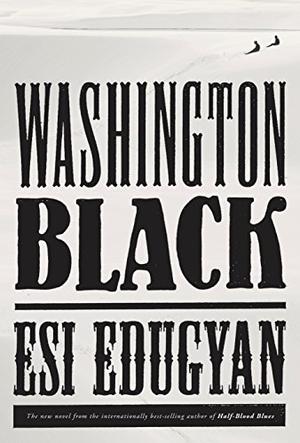
Book Club: Washington Black by Esi Edugyan, April 14, 2021, 2:00


WASHINGTON BLACK

High adventure fraught with cliffhanger twists marks this runaway-slave narrative, which leaps, sails, and soars from Caribbean cane fields to the fringes of the frozen Arctic and across a whole ocean.

It’s 1830 on the island of Barbados, and a 12-year-old slave named George Washington Black wakes up every hot morning to cruelties administered to him and other black men, women, and children toiling on a sugar plantation owned by the coldblooded Erasmus Wilde. Christopher, one of Erasmus’ brothers, is a flamboyant oddball with insatiable curiosity toward scientific matters and enlightened views on social progress. Upon first encountering young Wash, Christopher, also known as Titch, insists on acquiring him from his brother as his personal valet and research assistant. Neither Erasmus nor Wash is pleased by this transaction, and one of the Wildes’ cousins, the dour, mysterious Philip, is baffled by it. But then Philip kills himself in Wash’s presence, and Christopher, knowing the boy will be unjustly blamed and executed for the death, activates his hot air balloon, the Cloud-cutter, to carry both himself and Wash northward into a turbulent storm. So begins one of the most unconventional escapes from slavery ever chronicled as Wash and Titch lose their balloon but are carried the rest of the way to America by a ship co-captained by German-born twins of wildly differing temperaments. Once in Norfolk, Virginia, they meet with a sexton with a scientific interest in dead tissue and a moral interest in ferrying other runaway slaves through the Underground Railroad. Rather than join them on their journey, Wash continues to travel with Titch for a reunion with the Wildes’ father, an Arctic explorer, north of Canada. Their odyssey takes even more unexpected turns, and soon Wash finds himself alone and adrift in the unfamiliar world as “a disfigured black boy with a scientific turn of mind…running, always running from the dimmest of shadows.” Canadian novelist Edugyan (Half-Blood Blues, 2012, etc.) displays as much ingenuity and resourcefulness as her main characters in spinning this yarn, and the reader’s expectations are upended almost as often as her hero’s.

Bob Riith

Robert A. “Bob” Riith, OFS, 83, husband of the late Patricia E. Riith of Darien, passed away Tuesday, February 9, 2021, peacefully at home.

Born November 2, 1937, to Engelbert J. and Frances M. Riith, Bob, raised in Greenwich, CT, was a longtime resident of Darien, CT.  Mr. Riith attended Greenwich High School, and served in the Army Reserves. Bob was Sewer Superintendent for the Town of Darien for over 30-years. Bob was an enthusiastic volunteer, serving as a firefighter with the NHFD, Assistant Scoutmaster with Troop 53, and involved in Darien youth athletics.

Bob was a member of St. Thomas More Church in Darien. He was a Third Order Franciscan, and a Member of the Holy Spirit Fraternity in Fairfield. Bob served in the Masons, Shriners, and Knights of Columbus organizations. Bob is survived by his daughter Frances, and sons Robert A. Jr., and Michael. Additionally, Bob is survived by his three sisters, Barbara Gleason, Kathleen Duffy, and Karen Landers. He is also survived by his seven grandchildren, a great granddaughter, nieces and nephews.

A Mass of Christian Burial will be celebrated this Tuesday at 10:30AM in St. Thomas More Church in Darien. Attendance is limited. Please e-mail: BobRiith37@gmail.com to attend in person. The Mass is available online at www.stmdarienct.org For more information visit www.collins-funeral.com

Memorial donations may be made to Shriners Hospitals for Children, www.shrinershospitalsforchildren.org. Arrangements are in the care of Collins Funeral Home, Norwalk, CT. Please visit www.collinsfh.com/obituaries for the full obituary and to leave condolences.

« Older posts Newer posts »