 Vineyard vines was founded in 1998 by brothers Ian and Shep Murray, who at the time were in their early 20s, working corporate desk jobs in New York City — and miserable. The brothers started the brand on Martha’s Vineyard with a simple idea: create whimsical neckties to remind those stuck in the boardroom of the good life waiting for them. They used about $8,000 in credit card debt to finance their new business venture and sold their ties out of the back of their Jeep.
Over time, the brothers expanded the brand to offer a wide range of apparel and accessories for men, women and children. vineyard vines was built on the philosophy and slogan, “Every day should feel this good,” which reflects a carefree, nautical spirit rooted in optimism and connection.
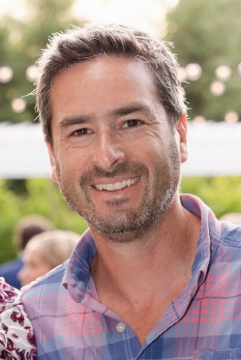
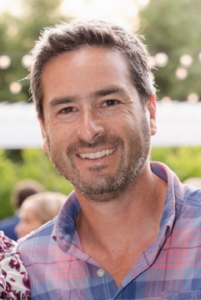
Headquartered in Stamford, vineyard vines is family owned and operated and today employs approximately 2,800 people. It has over 100 freestanding vineyard vines stores and sells through more than 600 specialty and department stores worldwide, as well as through seasonal catalogs and online. Doing so, they broke all the rules without even knowing what they were; they approached the apparel business in a different way than conventional retailers at the time because they were more rooted in “brand” than “fashion.” Darien’s Ian Murray will discuss how his brother and he created the company, built its growth and successfully managed it while continuing to keep it privately owned.
As a result of its success, the company has been recognized on Forbes magazine’s list of America’s Best Employers and by Newsweek as one of “America’s Best Midsize Employers” in 2024. The brand has proudly aligned itself with some of the most storied and enduring traditions in American sports, including the Kentucky Derby, the America’s Cup, Fenway Park and the Boston Red Sox, and the Head of the Charles Regatta, each collaboration rooted in heritage, excellence and lasting cultural impact.
Ian and Shep Murray have been recognized by Ernst & Young as “Entrepreneurs of the Year,” were included in Goldman Sachs’s list of the “100 Most Intriguing Entrepreneurs,” and were featured in Inc. magazine’s list of the “500 Fastest Growing Companies.” They have appeared on NBC’s “Today” show, CNN, CNBC and Bloomberg TV. Also, vineyard vines products have been featured in The Wall Street Journal, Vanity Fair, Travel & Leisure, The New York Times, Town & Country, and Rolling Stone.
Philanthropy has always been central to the brand’s identity, with long-standing support of causes including Toys for Tots, the Breast Cancer Research Foundation, autism awareness initiatives and veteran-focused organizations such as Canine for Warriors and Fallen Patriots. Further, vineyard vines is deeply committed to giving back at the local level, supporting community organizations on Martha’s Vineyard and in hometown communities nationwide.
Ian lives in Darien and is an avid musician, angler, boatsman and pilot.
Arranged by Jim Phillips.
Video Presentation
Summary of Presentation by Ian Murray on Feb. 11, 2026
Ian Murray, co-founder and chairman of vineyard vines, shared the story of how he and his brother Shep built a small startup into a nationally recognized lifestyle brand rooted in optimism, storytelling and community. In 1998, unhappy in corporate jobs in New York City, the brothers took a leap of faith — using about $8,000 in credit cards, to design colorful, whimsical neckties inspired by the carefree spirit of Martha’s Vineyard. Selling ties out of the back of their Jeep, they promoted a simple philosophy: “Every day should feel this good.”
From the beginning, vineyard vines was less about fashion and more about lifestyle — capturing the best moments of life such as vacations, weddings and time with friends. Ian emphasized that storytelling, personal connection, and authenticity are more powerful than the product itself. Early success came from grassroots selling, word of mouth and creative marketing, including catalogs featuring real customers and the now-iconic whale logo, inspired by their father and the classic pink-and-blue Nantucket style.
Ian described how their upbringing in Greenwich and childhood travel — thanks to their father’s career as a travel writer — exposed them early to branding, hospitality and the tastes of affluent consumers. As the business grew, they expanded beyond ties into broader apparel, developed wholesale relationships, launched early e-commerce and opened retail stores, learning valuable lessons along the way. A major turning point came with a major custom order from AFLAC, which dramatically accelerated growth and validated their model.
The company faced major tests, including the decision to reject private equity investment to preserve independence and the severe challenges of COVID-19. During the pandemic, they prioritized employees, kept their staff paid and strengthened loyalty by supporting teachers and first responders. Ian also noted that culture proved critical when outside leadership briefly shifted the company’s direction, ultimately leading the founders to return to active leadership.
Today, vineyard vines employs almost 3,000 people, operates more than 100 stores and sells through more than 600 specialty and department stores worldwide, as well as seasonal catalogues and online. It continues to evolve while staying grounded in its core principles: make it a great place to work, deliver an exceptional customer experience and drive profitable growth — in that order. Ian concluded that the enduring lesson of their journey is simple: happy employees create happy customers, and success follows.