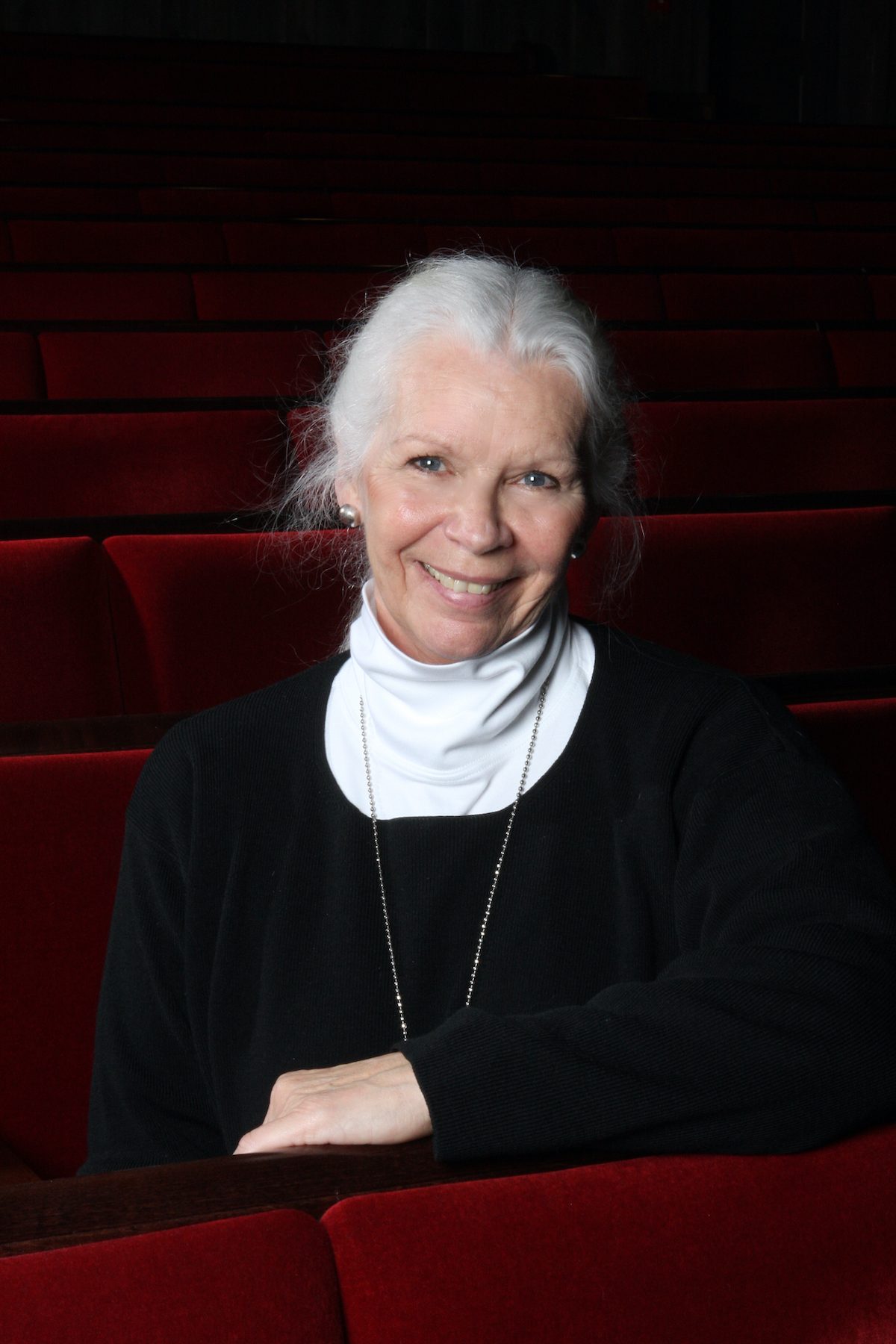
Anne Keefe, Associate Artist, and Bruce Miller, Company Manager, will speak to the DMA about the history and future of the Westport Country Playhouse, a 90-year old non-profit institution that is by far the largest and most prestigious professional theater in Fairfield County. The mission of the Playhouse is to enrich, enlighten, and engage the community through the power of professionally produced theater worth talking about. Their presentations will include insights on the upcoming season, including a string of five riveting plays and Script in Hand play readings that are intended to deepen relationships with audiences and artists.
The Playhouse
Westport Country Playhouse is a 90-year-old LORT “B” theater in Westport, Connecticut. With a $5MM operating budget, the Playhouse is by far the largest and most prestigious professional theater in Fairfield County.
The mission of the Playhouse is to enrich, enlighten, and engage the community through the power of professionally produced theater worth talking about and the welcoming experience of the Playhouse campus. The not-for-profit Playhouse provides this experience in multiple ways by offering live theater experiences of the highest quality under the artistic direction of Mark Lamos; educational and community engagement events to further explore the work on stage; the New Works Initiative, a program dedicated to the discovery, development, and production of new live theatrical works; special performances and programs for students and teachers with extensive curriculum support material; Script in Hand play readings to deepen relationships with audiences and artists; the renowned Woodward Internship Program during the summer months for aspiring theater professionals; Family Festivities presentations to delight young and old alike and to promote reading through live theater; youth performance training through Broadway Method Academy, WCP’s resident conservatory program; and the beautiful and historic Playhouse campus open for enjoyment and community events year-round.
The Playhouse Person
The Playhouse Person takes pride in what occurs on the stage. They feel a part of it, an ownership. They develop an “I can do that” attitude in taking on new and challenging tasks that support that work. They care, and they pay attention to detail and presentation. They are organized. They work smart, communicate, and take initiative. They are proactive. They follow through, and follow up, without being asked. They are self-motivated, yet they work with their colleagues with trust and ease. They think outside of the box, pull up innovative ideas, and go above and beyond expectations. They are fiscally responsible and have an impact on the bottom-line. They are respected and appreciated for their endeavors. They are happy. And happy employees make for happy artists, donors, and patrons. We are collectively committed to a constant expansion and reimagining of who can be a Playhouse Person.
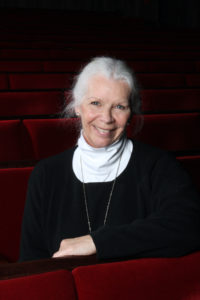 Anne Keefe, Associate Artist
Currently an Associate Artist at Westport Country Playhouse, Annie served as Playhouse Artistic Director, with Joanne Woodward, in 2008 and as associate artistic director from 2000-2006, also with Ms. Woodward. At Westport Country Playhouse, she co-directed with Ms. Woodward a production of David Copperfield, directed readings of And Then There Were None, Harvey, Bedroom Farce, A Song at Twilight, Chapter Two and many more, as part of the popular Script in Hand program which she curates. She appeared in A Holiday Garland and a reading of Arsenic and Old Lace with Ms. Woodward and Christopher Walken. In the fall of 2007 she served as assistant director to Gregory Boyd on the Hartford Stage production of Our Town with Hal Holbrook. Formerly she stage managed both at Long Wharf Theatre (27 years) and at McCarter Theatre in Princeton, New Jersey. Broadway transfers she stage managed include: The Changing Room (with John Lithgow), The National Health (with Rita Moreno), Spokesong (with John Lithgow), Watch on the Rhine (with George Hearn and Jan Miner) and the Off-Broadway transfer of American Buffalo (with Al Pacino). Other Broadway credits include: Death and the Maiden (with Glenn Close, Richard Dreyfuss, and Gene Hackman, directed by Mike Nichols), Hamlet (with Ralph Fiennes) and Night Must Fall (with Matthew Broderick).
She has been involved over the last 25 years with the Hole in the Wall Gang Camp Gala, directing both the 2018 and 2019 events. Ms. Keefe has served on the board of the Westport Country Playhouse and on the board of the Cultural Alliance of Fairfield County. She has taught the third year stage managers at the Yale School of Drama. She was awarded the Del Hughes Award for Lifetime Achievement by the Stage Managers’ Association. In October of 2012, she was honored by the Connecticut Women’s’ Hall of Fame as one of 10 Women of Distinction as well as receiving the Westport Arts Award for Theatre. In 2016 she received the Tom Killan Award from the Connecticut Critics Circle. She lives in Weston with her husband, writer/playwright David Wiltse and has three accomplished daughters as well as four beautiful grandchildren.
 Bruce Miller, Company Manager
Bruce is a graduate of Marietta College. He spent six years teaching elementary and middle school social studies and English in rural Ohio. After a brief stint as an historical interpreter at Colonial Williamsburg, he spent 22 years running his family’s hardware business in Milford. Bruce managed the Stamford regional office of the US Census in 2000 before joining the Playhouse as house manager. He became Operations Manager in 2001, served on the construction committee during renovations, and has been Company Manager for 18 years. His wife, Beth, is a retired teacher, certified Master Gardener, and an ever-present Playhouse volunteer. Their daughter, Sarah, is a personal trainer working in Manhattan.
2020 Shows 90th Anniversary Season
Next to Normal
music by Tom Kitt
book and lyrics by Brian Yorkey
directed and choreographed by Marcos Santana
April 14 – May 2, 2020
This 2009 Tony Award-winning hit musical and winner of the 2010 Pulitzer Prize for Drama gives a groundbreaking look at a family in crisis, while pushing the boundaries of contemporary musical theater. From the director/choreographer of the Playhouse’s 2019 hit, In the Heights.
“…brave, breathtaking…a feel-everything musical…”
THE NEW YORK TIMES
Tiny House
a new comedy fresh from its world premiere by Delaware’s Resident Ensemble Players
by Michael Gotch
directed by Mark Lamos
June 9 – 27, 2020
Fireworks fly in this new comedy when family, friends, and quirky neighbors come together for a July 4th barbecue at the off-the-grid, isolated mountain paradise of a young, urban couple.
“Zippy, breezy comedy…”
BROADSTREETREVIEW.COM
Ain’t Misbehavin’
conceived by Richard Maltby, Jr. & Murray Horwitz
directed and choreographed by Camille A. Brown
July 14 – August 1, 2020
The 1978 Tony Award® winner for Best Musical as you’ve never seen it before! A dance-filled, reimagined, sassy, and sultry musical celebration of legendary jazz great Fats Waller from director/choreographer Camille A. Brown (2019 Tony Nominee for Best Choreography, Choir Boy).
“…zing and sparkle…”
THE NEW YORK TIMES
Antigone
by Sophocles
a world premiere translation and adaptation by Kenneth Cavander
directed by David Kennedy
September 29 – October 17, 2020
A determined young woman bravely defies a king in this thrilling drama about the nature of power and resistance. This classic play speaks across centuries to those living in a climate of fear and polarization.
“A drama that wants hearing and heeding.”
VARIETY
Blues for an Alabama Sky
by Pearl Cleage
directed by LA Williams
November 3 – 21, 2020
As the creative euphoria of the Harlem Renaissance succumbs to the harsh realities of The Great Depression, a community of friends resolves to keep their hopes and dreams alive.
“…an extraordinary achievement…”
VARIETY
Arranged by Tom Igoe
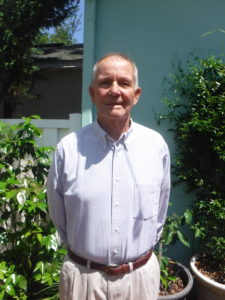 Peter Igoe – Nuclear Submarine Operations