Category: Speaker Announcements (Page 4 of 45)
Speaker programs at Wednesday DMA Meetings
The earth’s natural heat flow could theoretically provide an unlimited 24/7 “green” energy resource for America’s power generation and heating. For example, Iceland, which sits on a geologic hot spot with more than 200 volcanoes, gets 66% of its primary energy from geothermal sources, including 27% of its electricity and 90% of its residential power. Conversely, geothermal power currently provides only 0.4% of the United States’ electricity generation (3.7 gigawatts), although there is potential to provide 20 times as much (8%) according to some experts.
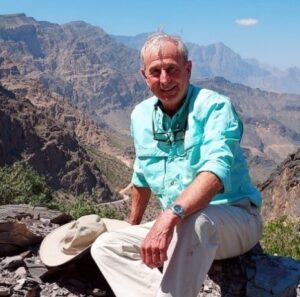
G. Warfield “Skip” Hobbs will discuss the geology of hydrothermal resources, how the resource is identified and developed, technical and economic barriers, and the traditional and exciting new “enhanced” and “closed loop” geothermal systems. The cost and economics of geothermal power compare very favorably with other renewable energy systems and fossil fuel resources.
Skip is a geologist and founder and managing partner of Ammonite Resources, a firm of international petroleum and mining geotechnical and business consultants that has been headquartered in New Canaan since 1982. He holds a B.S. in geology from Yale College and an M.S. in petroleum geology from Imperial College London’s Royal School of Mines. Prior to founding Ammonite, Skip worked internationally in the 1970s as an exploration geologist for Texaco and Amerada Hess. He has served as an officer of the American Association of Petroleum Geologists. From 2004–2012, he served on the Executive Committee of the American Geological Institute, a federation of 50 geoscience professional societies representing more than 250,000 members in every earth science discipline and served as its president from 2010–2011. Skip was also a member of the Council of Scientific Society Presidents in Washington, D.C., from 2009–2024, where he served as co-chair of its Committee on Energy and the Environment and as a board member. He is a fellow of the Geological Society of America.
From 2000–2014, he was a trustee of the New Canaan Nature Center and served as its president from 2012–2014. He writes and lectures frequently on energy economics, energy policy and environmental issues. In his spare time, Skip manages a family farm in Massachusetts that produces organically grown vegetables, honey, maple syrup, grass-fed beef and timber.
Arranged by Doug Bora
Summary of Skip Hobbs’s Presentation
Geologist and energy consultant Skip Hobbs offered a wide-ranging look at geothermal energy — its current use, technical challenges, economic dynamics and future potential. He opened by contrasting Iceland, where volcanic heat supplies most residential energy and a quarter of electricity, with the United States, where geothermal accounts for only 0.4% of electric generation despite vast untapped potential.
Skip focused on high-temperature geothermal systems, not the shallow residential heat-pump systems common in places like Darien. Conventional geothermal plants operate where volcanic heat, faults and fractured rock allow super-heated water or steam to rise from several thousand feet below the surface. Facilities such as The Geysers in California and McGinness Hills Geothermal Complex in Nevada run around the clock, emit virtually no greenhouse gases and occupy far less land than large solar arrays.
Yet, geothermal has grown slowly due to technical and economic hurdles. Wells must intersect naturally fractured, permeable rock, and the corrosive fluids require specialized metallurgy. Projects are risky; some wells underperform, reservoirs cool over time, and developers must prove 20-year production reliability to secure financing. Skip’s firm conducts due-diligence studies for investors like J.P. Morgan, analyzing flow rates, reservoir cooling, and long-term output.
Despite these challenges, he emphasized geothermal’s rising strategic value. Electricity demand is surging largely because of AI-driven data centers, while long lead times for gas turbines and increasingly ambitious renewable-energy mandates make around-the-clock clean power more attractive. Power-purchase agreements above $100/MWh are becoming common, improving project economics, and federal tax credits further strengthen returns.
The biggest transformation, according to Skip, will likely come from new technologies. Enhanced geothermal systems (EGS) use modern oil-and-gas techniques — horizontal drilling, high-temperature cement and multi-stage fracking — to tap hot rock where no natural hydrothermal system exists. Closed-loop designs circulate working fluids through sealed underground pipe networks, avoiding brine-related corrosion and water loss. Companies such as Fervo, Eavor, and XGS are piloting these systems, with early commercial deals including a 150 MW supply agreement with Meta.
Skip concluded that geothermal could expand dramatically worldwide, not just in volcanic regions, as drilling costs fall and new designs mature. While risks remain, he sees geothermal poised to become a far larger contributor to clean, always-available power in the decades ahead.
The presentation of U.S. Sen. Richard Blumenthal has been delayed to another date to be determined.
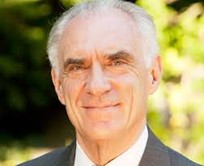 John Blankley has graciously agreed to present to us on November 12.
Alexis de Tocqueville was a prominent French 19th century political philosopher, historian, and politician. He is best known for publishing a seminal work in two books published in the 1830’s and 1840’s that were collectively called Democracy in America. Tocqueville wrote about America’s then burgeoning experiment in democracy, the social condition of its people and their relationship to the state. From the moment it was published, his work was considered to be a masterpiece of political science and sociology and even today is regularly quoted in commentary on the state of our current politics. One of the great thinkers of his day, Tocqueville’s views are particularly relevant today because our government is currently undergoing the longest shutdown in American history.
John will begin his presentation with a brief history to explain the times in which Tocqueville lived, his background (he was from an aristocratic family in France), his attempts at a political career and his journey to America. Toqueville’s two-volume Democracy in America was the first analysis of what made democracy work in America (Vol. 1) and what was required to make it work elsewhere in other Western societies (Vol. 2). Equality and liberty are the two touchstones of his work, and he viewed their interaction as necessary to make true democracies work.
Tocqueville was much in demand in the Paris salons as a brilliant debater but was less successful in politics, as he regarded most politicians of the age as intellectually inferior. He was an advocate of parliamentary government, especially the bi-cameral structure that he admired in America. He was skeptical of the extremes of majoritarianism. The highlights of his political career were serving in the National Assembly (the lower house of the bicameral French Parliament, joining the militia to suppress a French insurrection in 1848, serving as Foreign Minister and being imprisoned briefly under the authoritarian rule of Napoleon III.
John Blankley is a businessman, entrepreneur, and Connecticut politician (now retired), who will offer his thoughts based on his long-lived affinity with the earliest, and still foremost, interpreter of the American experiment in democracy. Drawing on his personal experience and his reading and knowledge of Tocqueville’s works and modern interpretations, his conclusions may surprise you.
Born in England, John came to America 42 years ago, but unlike Tocqueville, he stayed and became an American citizen. From his roots in the U.K., his degree in modern history from Oxford University and his journey to citizenship, he brings a unique perspective and appreciation of our country. Beginning his career with Price Waterhouse, he rose to become chief financial officer and board member of BP North America, BP’s major overseas subsidiary; chief financial officer and board member of Stolt-Nielsen, the world’s largest chemical tanker company; and senior leadership positions in several other companies. In 2000, he co-founded and is currently chairman of Flagship Networks Inc., a private computer consulting and systems integration company.
John is currently the 105th president of the St. Andrew’s Society of the State of New York, the oldest charity in the state (founded in 1756), is a trustee of the Greenwich Library and is chairman of Greenwich Green & Clean, a local non-profit environmental group. Like Tocqueville, he has been active in politics; he formerly served on the Greenwich Representative Town Meeting and the Board of Estimate & Taxation and ran for the position of Greenwich’s First Selectman and for several state offices including as a state representative, a state senator and as the Connecticut state treasurer.

Alexis de Tocqueville
Arranged by Doug Bora
Summary of Presentation:
John Blankley is the former chief financial officer of several major corporations and civic leader in Greenwich, and he is currently president of the St. Andrew’s Society of New York. His presentation to the DMA was titled, “What Would Alexis de Tocqueville Think of Our Democracy Today.” British-born and a naturalized American, John framed his talk around Alexis de Tocqueville, the French aristocrat whose masterpiece writings in Democracy in America in the 1830’s and 1840’s sought to explain the “great experiment” of government by the people.
John sketched Tocqueville’s background: Born into a noble family scarred by the French Revolution, with relatives guillotined in the French Reign of Terror, Tocqueville nonetheless devoted his life to studying and defending democracy. From 1831–1832, Tocqueville toured the United States, nominally to study prisons but really to observe this new democratic society. He marveled at Americans’ habits of association, local self-government, the balance of power between states and a federal center and the separation of powers. Tocqueville was especially fascinated by a lower house that expressed popular passions and an upper house that cooled them.
Tocqueville saw democracy as a delicate balance between liberty and equality and warned of both tyranny of the majority and over-centralized state power. He admired American equality of conditions — opportunity rather than inherited privilege — while condemning slavery and predicting it would endanger the Union, a prediction the Civil War later confirmed. He contrasted the relatively orderly American Revolution with the violent, destabilizing French Revolution, which he compared to similar revolutionary patterns in Russia and Weimar Germany in the 20th Century, where democratic experiments collapsed into dictatorship.
John fast-forwarded to the present, imagining Tocqueville confronting today’s superpower America, with its transforming technology and polarized politics. John believes that Tocqueville would worry about minority rule, gerrymandering, erosion of respect for courts, misuse of the Electoral College and rising authoritarian temptations — as particularly illustrated by the events of January 6, 2021. John posited that Tocqueville’s final judgment, however, would be guardedly hopeful; America’s democracy has historically survived immense tests, continues to correct its failures and depends above all on a renewed commitment to democratic principles and to accepting political opponents as legitimate partners in shaping the nation’s future.
Our room at the DCA is not available.
 Not since World War II, when the U.S. flag fleet flew on 50% of the world’s commercial fleet, has there been such recognition and activity surrounding the U.S. flag international fleet – which today represents ZERO POINT FOUR percent (0.4%) of all international ships.
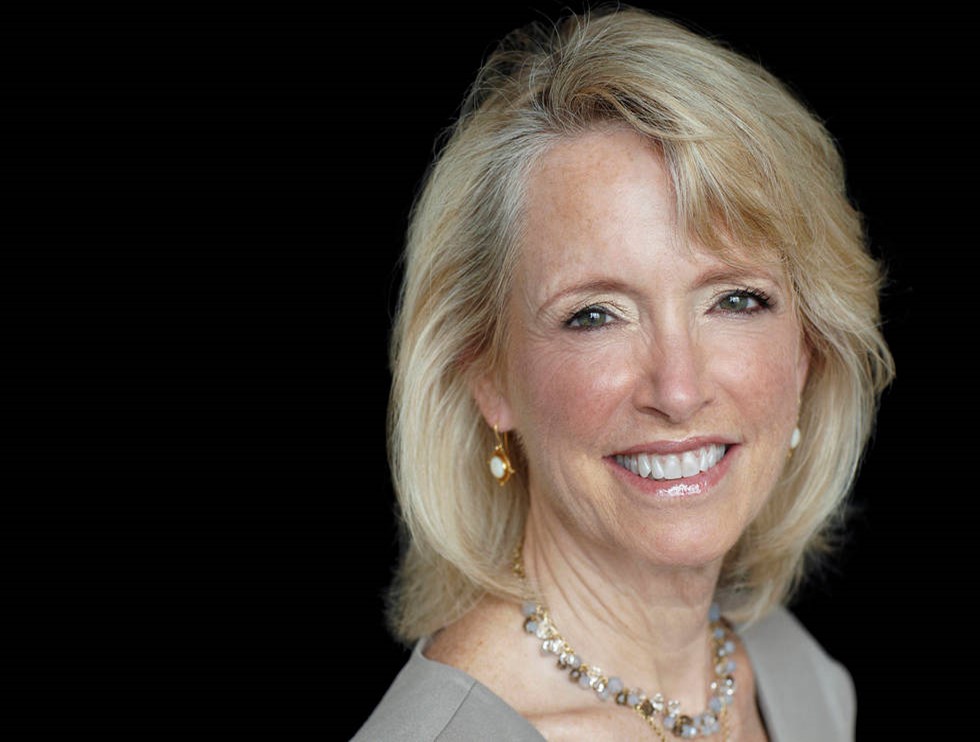
Carleen Lyden Walker will discuss how we arrived at this precarious place, how a book she co-authored formed the backbone of the federal “SHIPS for America Act” and Trump’s Executive Order “Restoring America’s Maritime Dominance”, and where we stand today. She will articulate how our lack of maritime security impacts national, economic, energy, climate and workforce security; how our adversaries are exploiting our weaknesses, and what the future holds for our nation in the maritime domain.
She is a marketing and communications professional in the commercial maritime industry with over 40 years of experience. She is Founder and CEO of Morgan Marketing & Communications, the Co-Founder and CEO of the North American Marine Environment Protection Association (NAMEPA), Chief Evolution Officer of ShippingInsight, the fleet optimization and innovation platform for shipping, and the Founder of the Consortium for International Maritime Heritage. She is also Co-Founder and Managing Partner of Maritime Accelerator for Resilience (MAR), is Co-Author of ZERO POINT FOUR – How U.S. Leadership in Maritime Will Secure America’s Future and is the CEO of Seatrain Technology, a company specializing in remotely operated submersible cargo vessels for commercial, defense and energy applications. Carleen is consistently listed among the Top 100 Women globally in maritime expertise.
In 2015, Carleen was appointed Goodwill Maritime Ambassador by the International Maritime Organization (IMO). She is a member of the Connecticut Maritime Association, the Marine Society of the City of New York, the Women’s International Shipping and Trading Association, Caribbean (WISTA), Women in Maritime Association (WIMAC), the New York Council of the Navy League and is a Past-President and current member of the Propeller Club Chapter of the Port of NY/NJ, as well as Washington, DC. She is also a member of the Pathways Advisory Committee at the Digital Harbor High School in Baltimore and is a Trustee of the U.S. Friends of the World Maritime University. Most recently, she was honored as a Top Woman in Maritime by Marine Log.
In 2010, she was awarded the Certificate of Merit by the United State Coast Guard and in 2014, she was awarded a Public Service Commendation for her work on World Maritime Day and AMVER, respectively. In 2023, she received the Distinguished Service Award from the Coast Guard for her work with both NAMEPA and SHIPPINGInsight.
Carleen graduated from Wellesley College with a B.A in Political Science and History and studied accounting at Cornell University’s S.C. Johnson College of Business. She is a Trained Facilitator and Media Trainer and has held a U.S. Coast Guard Captain’s License.
Presentation summary:
Carleen Lyden Walker emphasized that revitalizing the U.S. maritime industry is essential to national security, economic resilience, and future geopolitical competitiveness. She noted that after World War II, the United States controlled roughly half of the world’s commercial fleet, but today U.S.-flag ships represent only about 0.4 percent of the global total. This decline, she argued, leaves the nation dangerously dependent on foreign fleets for trade, energy transportation, and military logistics, particularly in the event of a conflict such as a crisis in the Indo-Pacific.
Shipping handles approximately 90 percent of global goods, making it central to the American economy and supply chain reliability. Walker explained that the U.S. Ready Reserve Force, which would supply sealift in wartime, is aging and under-crewed, with many vessels reliant on steam engines few mariners can operate. Military leaders have warned that the Navy would need scores of tankers to support fleet operations but currently has access to only a small fraction. A federal study shows hundreds of additional U.S.-controlled ships would be required to secure defense logistics and critical imports.
Walker highlighted China’s emergence as the dominant maritime power, leading in shipbuilding, ship ownership, and crew supply. She contrasted this with American shipyard capacity, which atrophied after the 1980’s. Although policy momentum is emerging, including the Ships for America Act and a White House executive order, she argued that funding, workforce development, and shipyard modernization are insufficient. She urged accelerating mariner training, improving Coast Guard credentialing, offering tax and insurance reforms, and pursuing advanced technologies such as small modular nuclear propulsion and innovative vessel designs.
Questions from the audience focused on feasibility, the Jones Act, insurance costs, foreign registries, and repair capacity. Walker maintained that with national resolve, investment, and modern industrial techniques, the United States can rebuild maritime strength and regain control over strategic supply chains. Her concluding message was both cautionary and hopeful: America’s maritime future depends on treating sealift and shipbuilding as strategic assets and acting decisively to restore capacity before a crisis exposes the nation’s vulnerabilities.
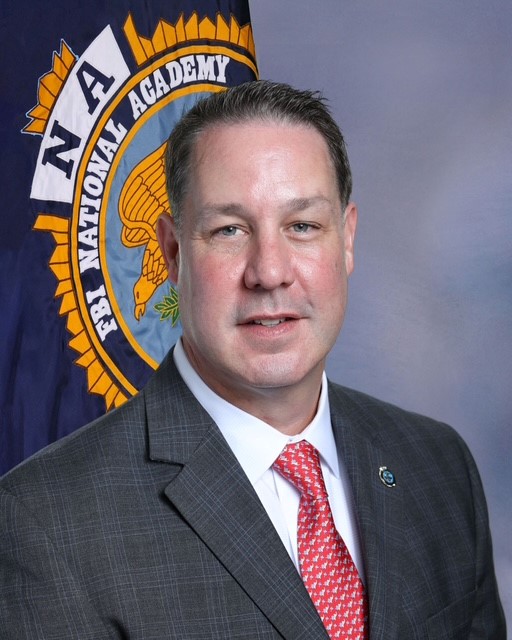 Darien Police Chief Jeremiah P. Marron, Jr. will discuss how policing today involves navigating possible conflicts between state law and federal policy. For example, what would the Darien Police Department do if ICE apprehended a suspected illegal alien in town when the state may oppose it while federal law requires it? He will also help unpack many of the issues facing policing in America today such as how police departments seek to maintain high community trust at a time of shrunken trust in many institutions in the nation, recruitment and retention of sworn staff, the emotional well-being of men and women in law enforcement, what role technology has in assisting policing such as the use of A.I., unmanned aerial vehicles (drones), and license plate readers and how alternative response programs work such as sending mental health professionals to situations involving individuals in crisis.
Chief Marron will also discuss how the Darien Police Department, like many other police departments, plans so-called “Table Top” exercises for emergencies including a possible terrorist incident, active intruder incidents, and weather disasters.
Jerry Marron became Chief of Police of the Darien Police Department in April 2024. After graduating from the Connecticut Police Academy in 1996, Chief Marron served the department with distinction in both the Detective Division and Field Services Bureau as both an officer and supervisor. He was appointed as a Patrol Officer in 1996, Sergeant in 2006 and Lieutenant in 2017. He served on the Southwest Regional Emergency Response Team for 9 years and was a Field Training Officer for 6 years. He was also one of the Department’s Public Information Officers and was a member of the SCUBA Team, serving as a rescue diver.
Chief Marron is a 2016 recipient of the United States Attorney’s Award and holds a B.A. in Criminal Justice from Sacred Heart University. In addition, he is a graduate of both the Roger Williams University First Line Supervisor and Police Mid-Management Schools, a 2012 graduate of the University of New Haven Center for Advanced Policing, Innovation in Police Management Program and the 2019 Police Leadership Institute program at Sacred Heart University. He attended the Performance Executive Research Forum’s Senior Management Institute for Police program in 2021.
In 2022, Chief Marron graduated from the 283rd session of the FBI National Academy which is located in Quantico, VA. Chief Marron became the 16th officer in Darien Police Department history to complete this prestigious program, joining his father, the late Jeremiah P. Marron, Sr., who attended the National Academy in 1985 and who served the Town of Darien with honor and distinction from 1967 to 1989.
Presentation summary:
Chief Marron provided a candid picture of policing in Darien today. He explained how a proud tradition, high training standards and strong funding and community support counter national headwinds affecting recruitment and retention. A 1996 hire and the town’s 12th chief, Marron described how Connecticut’s rigorous training and Darien’s culture let the department hire selectively, keeping vacancies low. He emphasized the department’s participation in readiness training such as recent statewide “tabletop exercises” covering scenarios such as drought, wildfire, public health challenges, and alerts), joint active intruder exercises with fire and EMS officials using role players and simulation, and regional mutual-aid via the “Blue Plan” among neighboring towns and cities.
Transparency and trust are central: Darien equips all officers with body-worn cameras, maintains an active public-information program, and runs outreach ranging from “Coffee with a Cop,” a Citizens Police Academy, and programs to address youth, mental health and domestic abuse issues. On immigration, Marron discussed Connecticut’s Trust Act which limits local police cooperation with federal ICE agents while stressing compliance with all laws and a focus on violent offenders.
Property crime remains challenging in light of state laws restricting police pursuit for property crimes. To succeed in this environment, the department leans on technology, such as one mobile and 12 fixed license-plate readers, which have already aided dozens of cases and regional investigations; and drones that support crash reconstruction, searches, and officer security. He discussed wellness support of sworn staff members designed to address the profession’s unique exposure to trauma. That support entails counseling, peer support networks, partial reimbursement of physical training expenses and five-year psychological testing.
Darien’s officers are trained to handle public reports of events related to mental health issues. These types of calls are rising; while the department has no in-house social worker, most staff are crisis-intervention trained, with hostage negotiators covering all shifts, and 211 calls are fielded from members of the public seeking health and human service programs.
In a wide-ranging question & answer session, Chief Marron said that foot patrols are being reconsidered through a “Park, Walk and Talk” model. He assured a questioner that the long-running Officer Kenneth Bateman case remains open. He addressed 911 call routing quirks, which stem from telecom infrastructure. He explained how arrests result from meticulous follow-up rather than from immediate pursuit. He addressed a question about efforts to enhance school safety through constant collaboration with the school system, including School Resource Officers (all retired law enforcement officers) and doing security assessments. Regarding the rise of E-bikes and scooters, the town favors education of users and parents to reinforce need to follow rules of the road, rather than ticketing. Digital crime and identity theft are daily realities, with detectives pursuing cases and coordinating with federal partners. Firearm permit applications are steady. Some traffic solutions, such as adjusting signal timing, are continually implemented, while others, such as speed cameras and “Don’t Block the Box” intersection markings, are under study but are currently not considered desirable or practical. Marron closed by inviting ongoing dialogue, noting that neighborhood initiatives and everyday cooperation remain powerful crime deterrents.
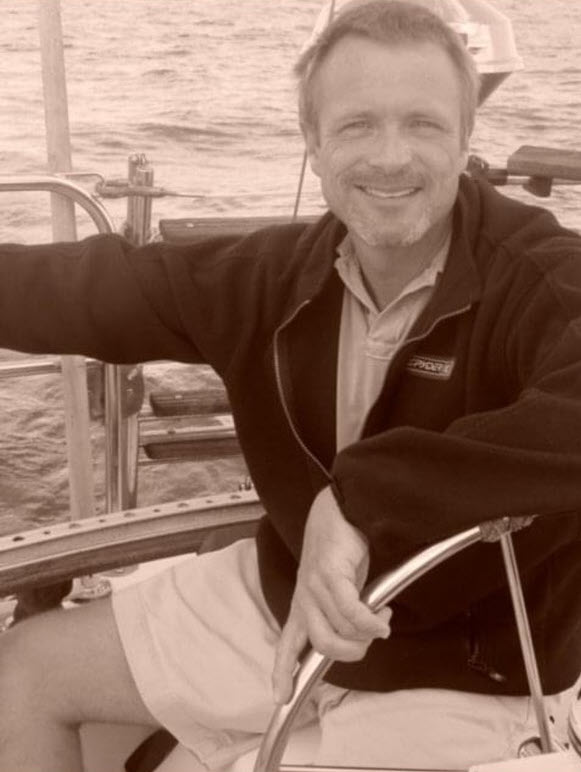
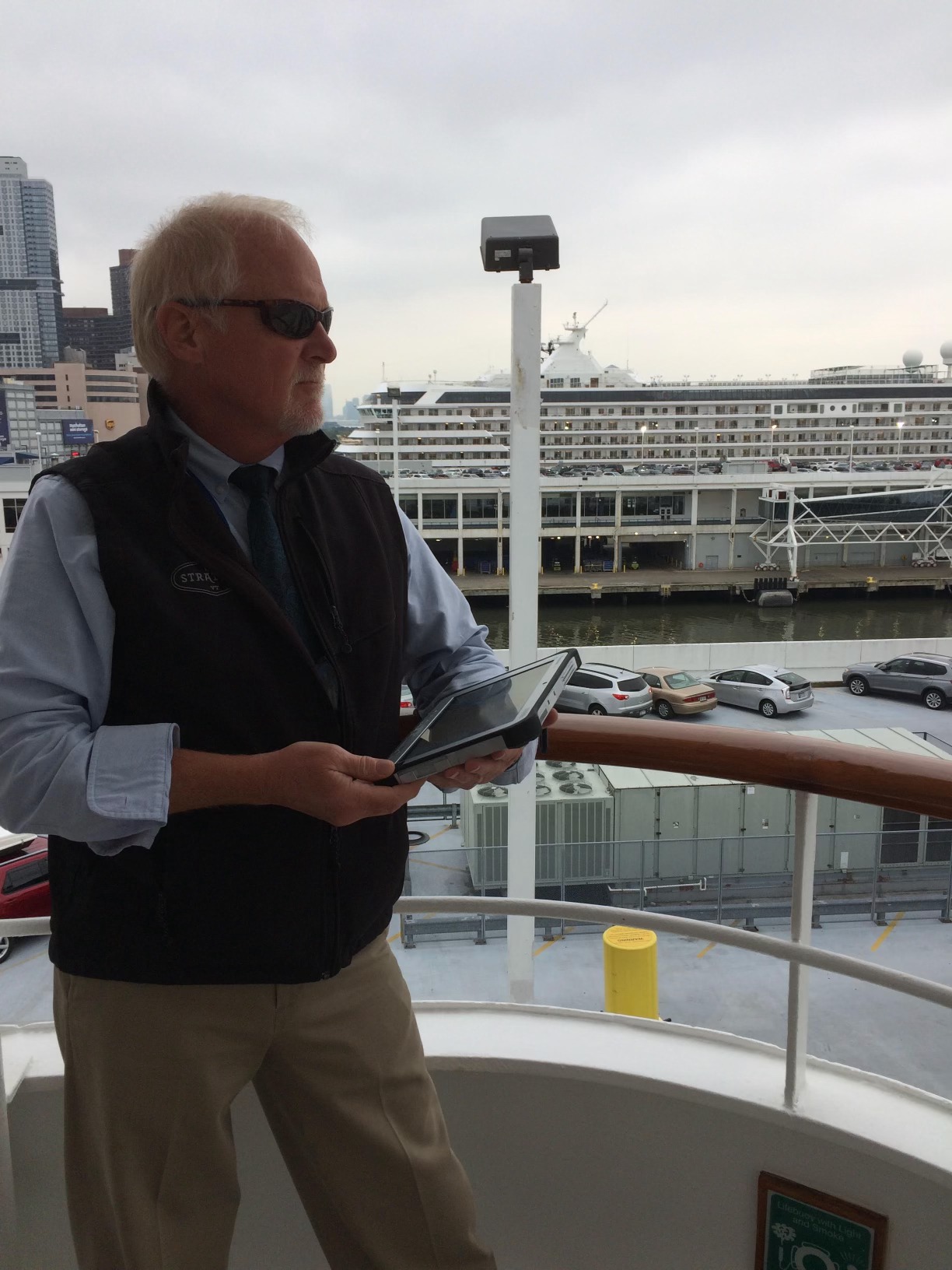 Ever wonder what it’s like to pilot an enormous 1,200-foot container ship into New York Harbor? Brothers Bob and Bill Blake have done it thousands of times in all kinds of weather. Join us as these maritime experts reveal the challenges of steering everything from oceangoing vessels, passenger liners, freighters and tankers in and out of the harbor in one of the busiest ports in the world.
Bob and Bill were raised in Westchester County and are second generation Harbor Pilots in New York Harbor. Bob began an apprenticeship as a Harbor Pilot in 1979 and came up through the hawse pipe — a ship’s officer who started as a Seaman and didn’t go to a maritime college — before being fully licensed in 1986. He has been a member of the Port of New York’s harbor piloting association, the Sandy Hook Pilots Association, for over 46 years and has piloted thousands of ships in and out of the ports of New York and New Jersey. Notably, he piloted the aircraft carrier, USS John F. Kennedy, into the harbor on her final call into New York and was the senior pilot on the USS Cole during “Fleet Week” in 2023 (remember that the USS Cole had been attacked by terrorists in the Persian Gulf in 2000 at a cost of 17 U.S. sailors lives and $250 million in repairs).
They will also share their thoughts about what happened on the bridge the night that the 984-foot cargo ship, Dali, crashed into the Francis Scott Key Bridge in Baltimore Harbor in March 2024 and the 297-foot Mexican Navy training ship, Cuauhtemoc, that crashed into the Brooklyn Bridge in May 2025.
Bob has served on the Executive and Finance Committees of the Sandy Hook Pilots Association and Bill has also served on various committees of it in addition to being a Trustee of the Association. Bill graduated from Emory College in 1987 with a B.B.A. in Finance although he always envisioned a career being a Harbor Pilot. He has been a member of the Sandy Hook Pilots Association for 35 years, and like his brother, has piloted thousands of large ships safely into and out of New York Harbor. He also worked at BriarTek, Inc. which outfits the U.S. Navy and various other foreign navies with man overboard systems.
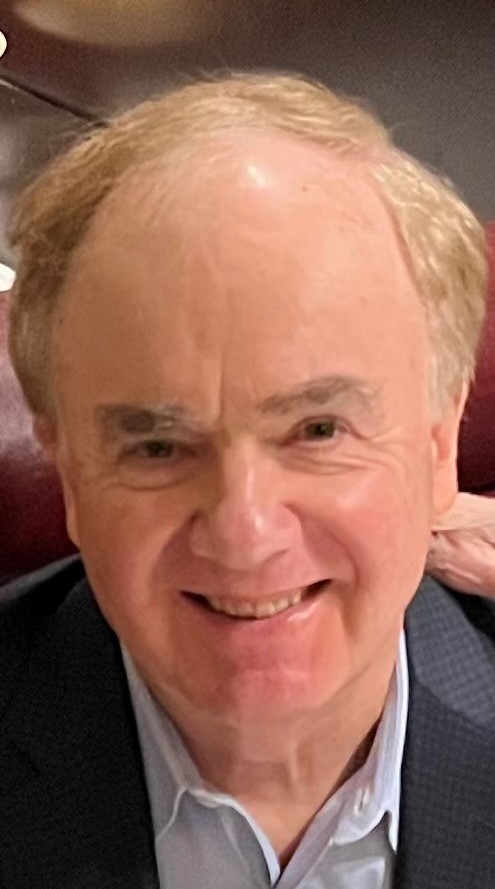 Political and religious ideologies are among the most pervasive forms of human thought ever developed, attracting billions of followers worldwide. These belief systems are appealing because they target our deepest hopes, fears, and desires. But don’t be fooled. They are not as beneficial as they may seem. They have had and continue to have terrible consequences.
Today, ideologies continue to be used against us. More than ever, power-hungry leaders have exploited our vulnerability to belief-based appeals to advance their personal agendas at our expense. Our failure to grasp this reality has allowed them to gain tremendous power over us. We must understand what we face as we are often bombarded by the false narratives our leaders promote.
Author John Kavanagh’s research into belief systems helps expose the myths surrounding our most popular political and religious ideologies. Using historical and current examples, he explains their true nature, what drives their success, and why they are so dangerous for us all.
John Kavanagh is the former CEO of Marketing Corporation of America (MCA), a $100 million management consulting and research company located in Westport and Chicago. He earned a B.A. degree from Yale University and an M.B.A. in Finance from Columbia University.
After MCA was acquired by the Interpublic Group, John returned to the study of history, in which he had majored at Yale. At that time, he became concerned about the growing influence of ideologies in bringing dictators to power and their role in causing immense human suffering. This motivated him to spend several years researching political and religious ideologies. Drawing on this extensive research, his proven analytical skills, and his historical knowledge, The Path to Power, Road to Ruin: The Dangers of Religious and Political Ideologies.
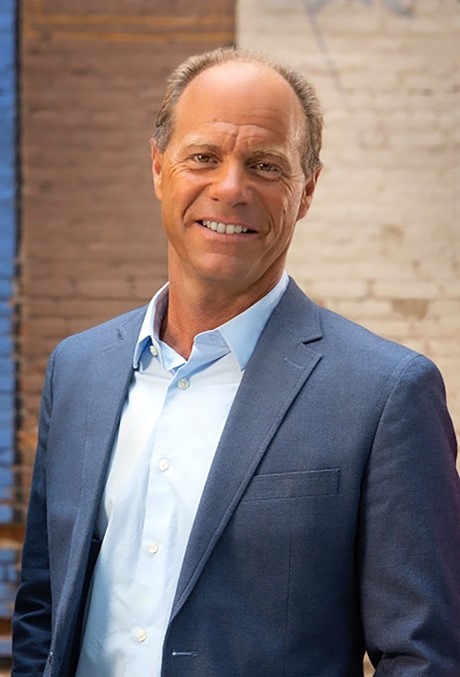 Jeff Benedict is a #1 New York Times bestselling author of 17 non-fiction books and more than 100 published stories and essays. He is also an Emmy-winning film and television producer.
Jeff spent five years inside the New England Patriots organization and was granted extensive personal access to Tom Brady, Bill Belichick and Robert Kraft. During that time, he wrote The Dynasty: The New England Patriots, an instant New York Times bestseller that Colin Cowherd called “a masterpiece” and Peter King called “groundbreaking.” His book is the definitive account of the Brady-Belichick-Kraft era. The book is also the basis of the 10-part documentary The Dynasty: The New England Patriots that Benedict wrote and executive produced for Apple TV+. It is currently streaming.
A former special features writer for Sports Illustrated and the Los Angeles Times, Jeff penned the landmark biographies of Tiger Woods in 2018, and LeBron James in 2023. The New York Times praised Jeff’s book about Tiger as “a big American story … that’s nearly as sleek as a Christopher Nolan movie.” The Wall Street Journal called his portrait of LeBron “inspiring and absorbing,” while the Los Angeles Times hailed it as “a sports opera fueled by drama and emotion.” Both books were published in over 15 foreign languages. Jeff also turned his Tiger Woods biography into a two-part documentary that he produced for HBO.
In 2024, Jeff won an Emmy for Outstanding Current Affairs Documentary as the producer and writer of the Netflix film Poisoned, which is based on his book by the same title about a deadly E. coli outbreak. He is a frequent public speaker on the themes of leadership and success, as well as the art of storytelling.
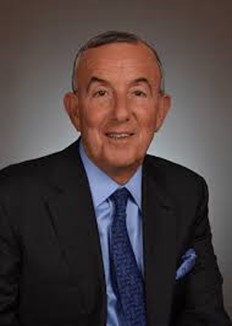 There are almost 100,000 people in the U.S who over the age of 100 and the percentage of people reaching centenary status is rising. Dr. Edward Schuster will describe what will – and will not – help you achieve this goal and stay healthy while you do it.
Dr. Schuster notes that location matters. Connecticut has the second highest incidence of centenarians in the nation (after Hawaii). He’ll give advice on diet, exercise, social engagement, medical monitoring, stress management, vitamins and more. He also advises: “Take vacations! Enjoy life! This is not a dress rehearsal.”
Dr. Schuster specializes in all aspects of cardiology with an interest in preventive cardiology. He is Medical Director of Stamford Health’s Cardiac Rehabilitation Program and its Sarner Health’s Health & Fitness Institute at the Tully Center, in addition to being a Board Member of The Stamford Hospital Foundation. He is also a member of the teaching faculty at Columbia Presbyterian Hospital and is the City of Stamford’s Police Department doctor. In addition to healthy aging and longevity, he is a strong and active advocate of children’s health and the use of defibrillators in the community.
Dr. Schuster started practicing cardiology at Stamford Hospital and St. Joesph’s Hospital in 1980 and joined Stamford Health Medical Group in 2012. He received his Medical Degree at the Chicago Medical School and completed his Internship and Residency at Duke Hospital. He was a Fellow in Cardiology at The Johns Hopkins Hospital, has received numerous honors including Teacher of the Year at Stamford Hospital and is on lists of the best doctors in Connecticut, Westchester County and the nation.

Susan Granger will discuss “The Business of Hollywood” which will focus on the many changes facing Hollywood’s movie industry. The pandemic completely changed the business by making people reluctant to go to movie theaters. Streaming soared and still continues to soar today. Blockbuster culture, the cornerstone of the business for years, is still here, but it’s different. AI has begun to significantly impact the business of Hollywood in profound ways. And, with the country’s more right-leaning electorate under President Donald Trump, traditionally liberal Hollywood has felt a backlash. Fear is said to be rampant in the movie industry.
Susan is a product of Hollywood. Movies are her family’s business. As a child, she worked with Abbott and Costello, Red Skelton, Lucille Ball, Margaret O’Brien and Lassie. She later attended Mills College in California, studied journalism with Pierre Salinger, and graduated with Highest Honors in Journalism from the University of Pennsylvania. Susan has been on radio and television as an Anchorwoman and a movie/drama critic, syndicating reviews and articles around the world, and has appeared on American Movie Classics and Turner Classic Movies. She wrote 150 Timeless Movies and she has worked extensively doing speech and presentation coaching for top management and executives in several industries. Her articles have been published in Working Woman, the New York Times, Redbook, Playboy, Ladies Home Journal, Family Circle, Travel Agent, and Cosmopolitan, among other publications. Her reviews are syndicated through Hearst Media Group and various websites.
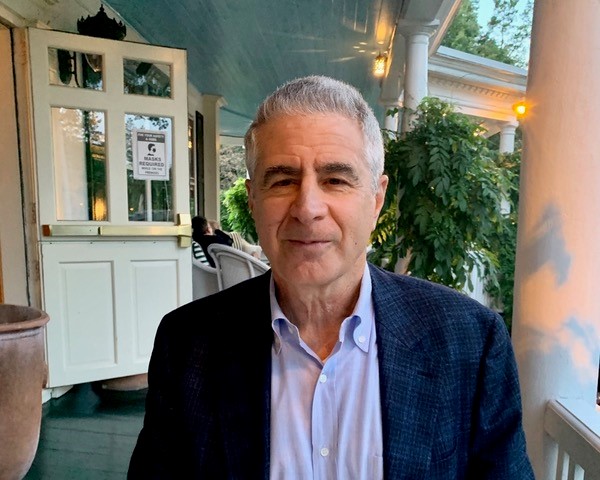 U.S. presidents typically get too much credit and blame for the state of the economy. The business cycle is alive and well, determined mostly by the behavior of hundreds of millions of households and businesses both here and abroad, as well as exogenous factors such as weather, OPEC and systemic health issues. Policy also plays a role, although monetary policy usually has a bigger influence than the Administration does. But there are exceptions, and President Trump’s tariffs clearly fit the bill: the changes have been so extreme that they are having significant impacts on financial markets and the economy. The plunge in immigration will also have notable effects. The direction is clear; these policies will raise prices and reduce output and employment. The magnitudes, however, are not: tariff changes of this size have not been experienced in our lifetimes, and where they will end up and how long they will be maintained is far from clear.
Larry Kantor draws on his many years being one of the most respected senior leaders in the financial industry and he will tackle the critical economic issues of the day. He is consistently praised for his clear, concise and comprehensive views on national issues from an economist’s perspective. Larry was formerly Managing Director and Head of Global Research for Barclay’s Capital where he built an integrated global research team that achieved # 1 status in Institutional Investor Survey. He managed 1,000+ researchers and transformed a $100+ revenue generating business that was sold to Bloomberg for more than 600 million pounds. He has made numerous media appearances on many networks to discuss economic and market developments including CNBC, Bloomberg TV and radio, Fox Business News, The Nightly Business Report and CBS Evening News. Prior to his employment at Barclay’s, he was Managing Director and Head of Global Exchange Strategy at J. P. Morgan Chase (and prior to that, he he was its Chief European Economist and Chief U.S. Economist), in addition to being Chief Economist and Strategist at Normandy Asset Management, an Economist at the Federal Reserve Board and Assistant Professor at Lehigh University.
Larry is currently an Operating Partner at Atlas Merchant Capital, a private equity firm. He was a 2016 Advanced Leadership Initiative Fellow at Harvard University following retirement at Barclay’s. He received an A.B. in Economics (with Honors) from Rutgers University and both an M.A. and Ph.D. in Economics from The Ohio State University.