Month: October 2019 (Page 1 of 2)

Hike Pomerance Park, Tuesday, November 19, 2019

TUESDAY NOVEMBER 19, 2019

 HIKING  POMERANCE/MONTGOMERY PINETUM PARK

GREENWICH     10:00 AM

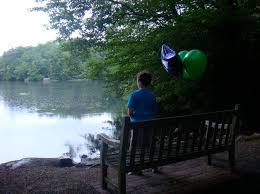
This 100 acre property is now owned by the town of Greenwich but was originally the estate of Ernest Seaton and later the home of financier Maurice Wertheim. The estate house was demolished by the town after falling into disrepair but the stone walls remain. Mr. Seaton is credited with starting a boys group called “The League of Woodcraft Indians” which evolved into the Boy Scouts. Wertheim’s daughter, Barbara Tuchman, lived on the property and wrote the Pulitzer Prize winning book “The Guns of August” there.

This hike is really more of a walk in the woods as the trails are wide, relatively flat and well maintained. It is a very scenic property with mature trees, rock outcroppings and moving water in addition to the historical features. As the property is relatively small, our hike will take approximately 2 hours after which we will enjoy an optional lunch at Louie’s Restaurant (136 River Road Ext.) nearby in Cos Cob.

DIRECTIONS: On Google Maps, enter Montgomery Pinetum on Bible Street in Cos Cob.  There is another entrance to the park but parking there is limited. Go to the Bible Street entrance. We will gather in front of the Greenhouse building at 10:00 AM.

Take I-95 south to Exit 5 and stay in left lane on the ramp to turn left at the light onto US 1 south. Proceed .8 miles across the Mianus River Bridge and turn right into Nassau Street and then a quick left onto Valley Road. After .2 miles turn right into Orchard Street and then a quick right onto Bible Street. Drive .8 miles to a left turn into Montgomery-Pinetum Park. 15-20 minutes from Darien with average traffic.

Contact: David McCollum


Holiday Wreath Lights: Nov. 7, 2019, 9am

The Darien Men’s Association will again be checking the lights in the holiday wreaths and replacing broken bulbs with new ones. Last year 192 lights were changed.

We will be meeting behind town hall on Thursday November 7th at 9 am.

Coffee and Donuts are provided.

Wander Flushing Queens, Nov 14, 2019

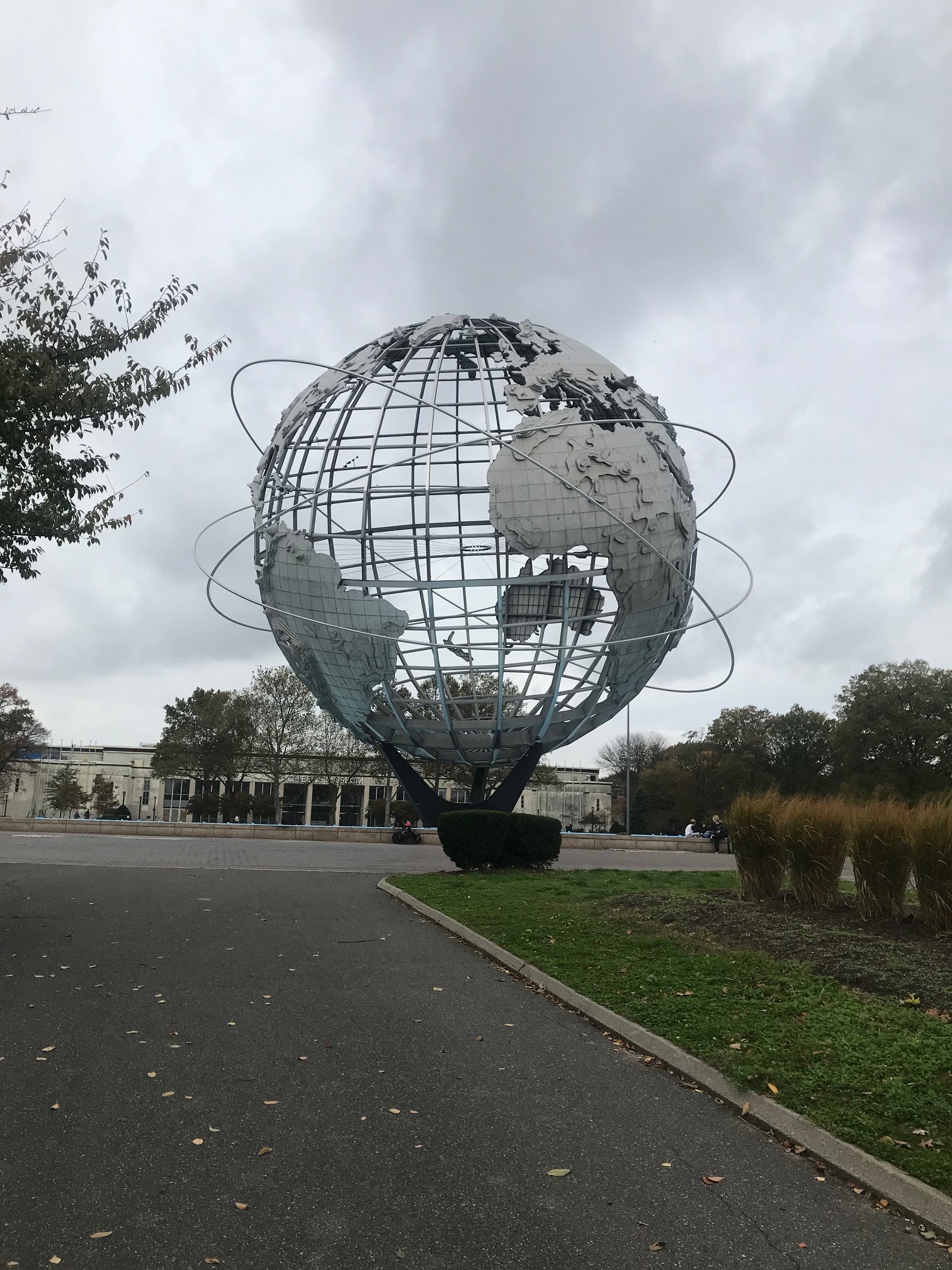
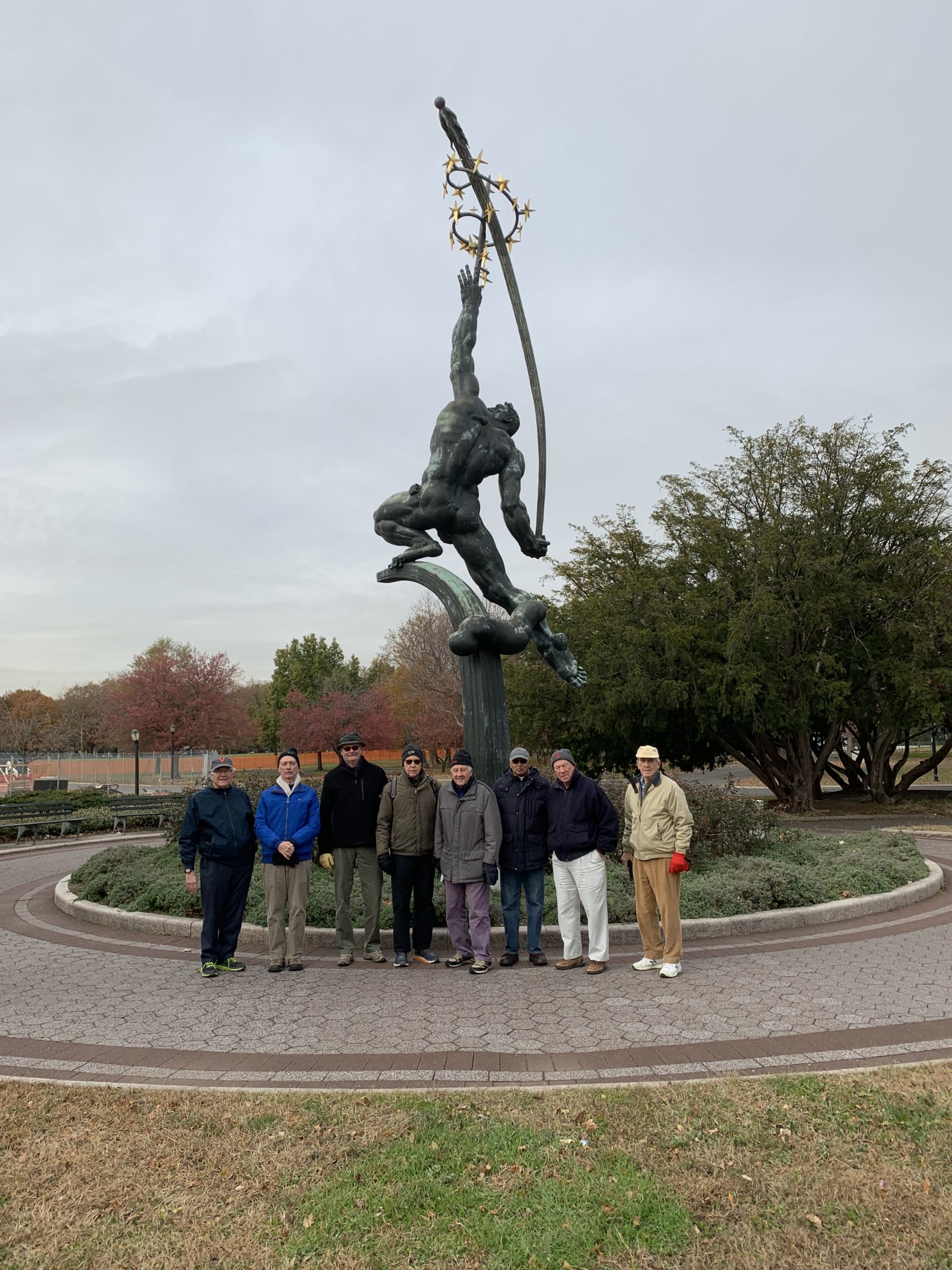
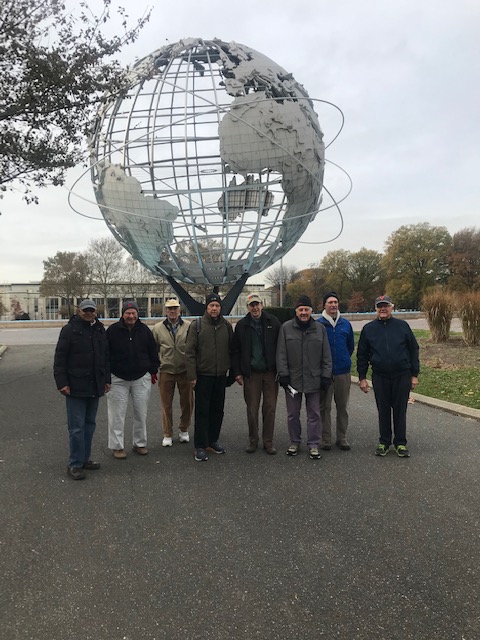
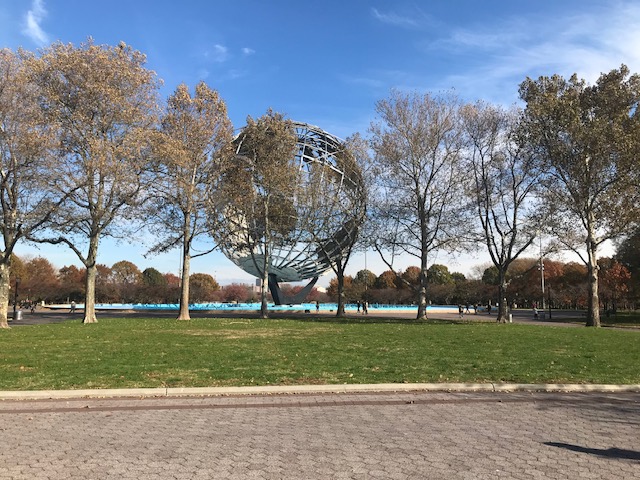
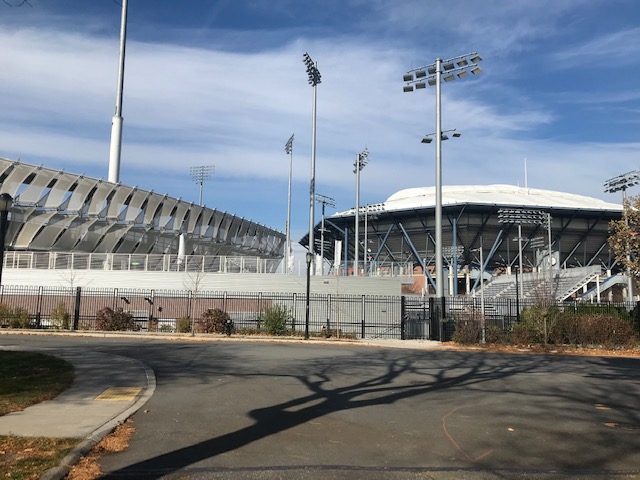
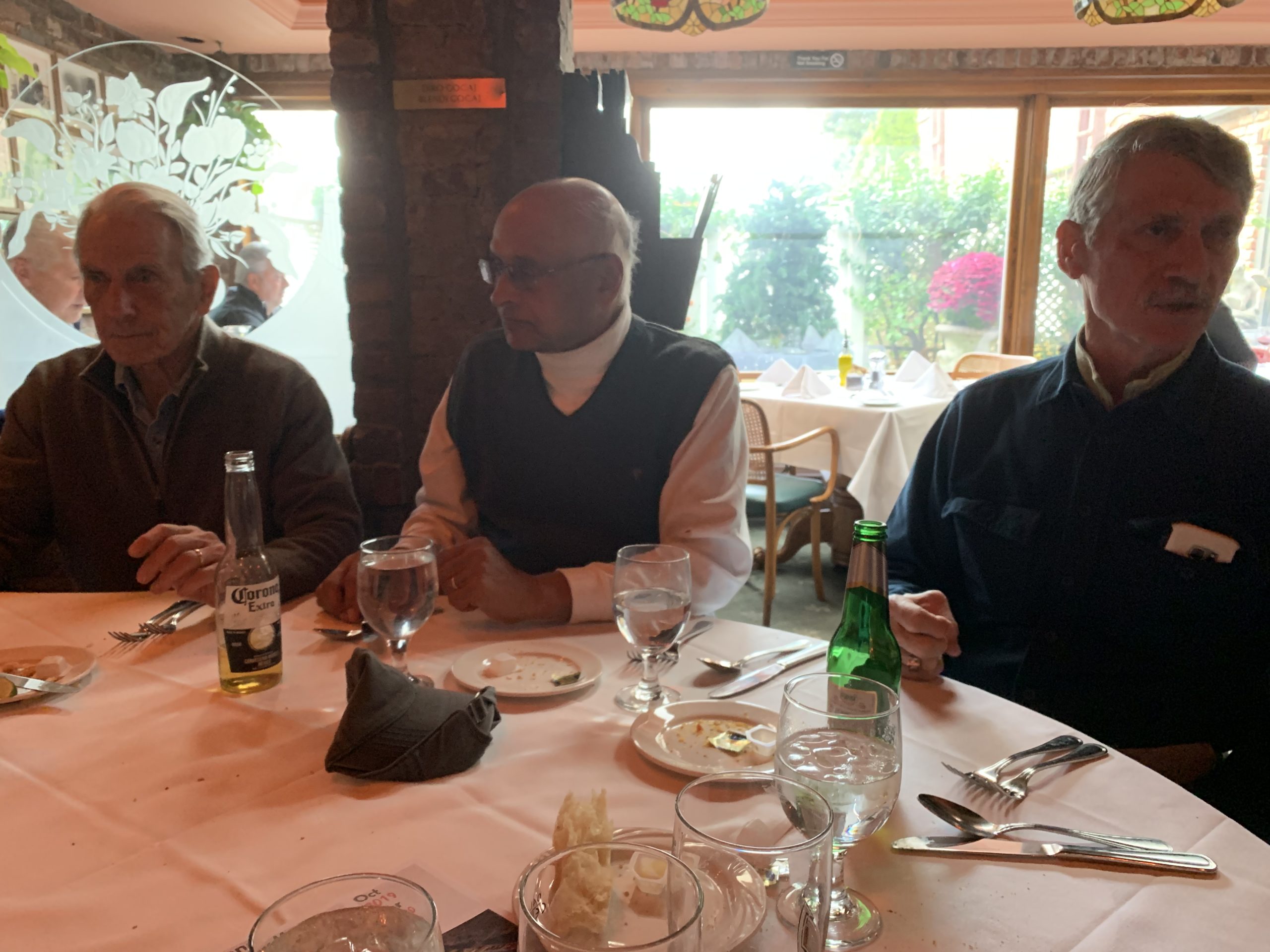
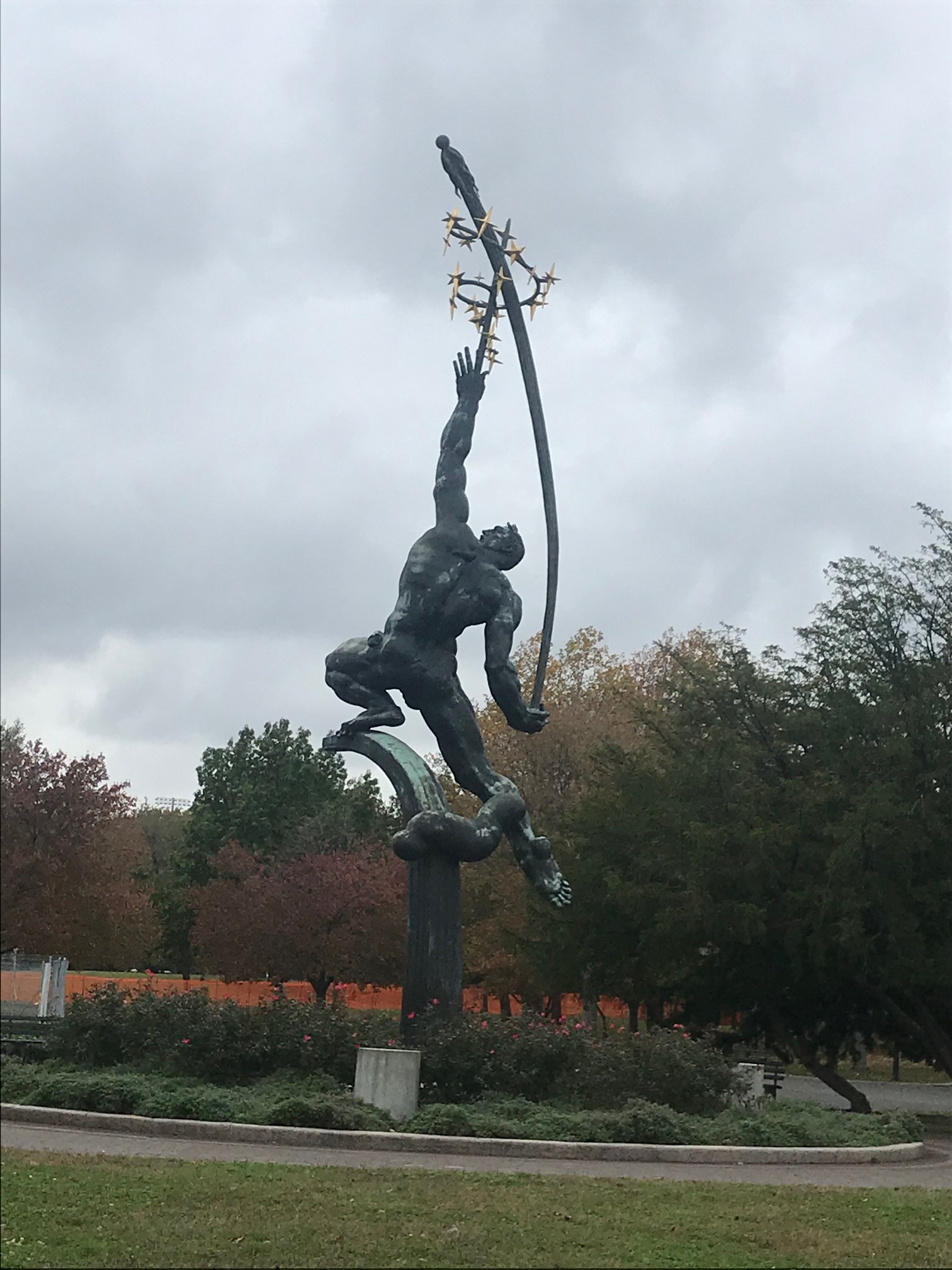
On November 14 (Thurs) we will go to Flushing Queens.  We will take the 8:34 train from Darien, 8:37 from Noroton Heights and regroup at the information booth in GCT.    We will walk the sites of the 1939 and 1964 Worlds Fairs.  We will tour the area of Arthur Ashe Stadium.  Finally, we will visit the Queens Museum which has an extraordinary diorama of New York City. After lunch we will return.

Your guides: David Mace and Joe Spain

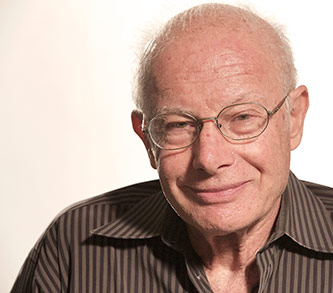
Dr. Foster Hirsch, Professor of Film, Brooklyn College, December 18, 2019

Dr. Foster Hirsch has been a Professor of Cinema at Brooklyn College for over 40 years. He is also a cultural historian who seems to know every movie made during the 1940s and 50s.

He will talk first about the House Un-American Activities Committee’s hunt for “subversive activities” in Hollywood, then showed clips from two movies — High Noon and On The Waterfront — to illustrate opposing responses to HUAC, in the face of what we would call today a culture war.

The blacklist’s bookend years were 1947 and 1960. HUAC had begun its hearings before WWII. Then, in 1947 it subpoenaed 41 screenwriters, directors and producers. Most were “friendly witnesses.” But a few, the Hollywood Ten, acknowledged their Communist pasts, but refused to testify or name any other Communists.

The “moguls” who ran the town immediately stopped hiring these men. As was their wont, the studio executives gave in to outside political forces.

The period came to an end in 1960 when Otto Preminger gave writer Dalton Trumbo, one of the ten, on-screen credit for Exodus — after he had written some 30 screen plays under assumed names, among them Oscar winners Roman Holiday and The Brave One.

High Noon is a 1952 film written by Carl Foreman and starring Gary Cooper.  Foreman was called to testify while the film was being made. He was deemed an “uncooperative witness,” and knew he would be blacklisted.

“He wrote his own history into the movie” — Marshal Will Kane was about to be pursued by a gang led by a man he had jailed. He asked townspeople to help him defeat this evil. No one stepped up.

“Foreman identified with Will Kane, a lone figure being hounded by the congressional committee.” The movie also “reflects larger issues of human nature, including how self-interest governs us.”

When he asked for help, Stanley Kramer, the movie’s producer and his business partner, rejected him. The studio rejected him. He had no place to go, and left for Britain after the film was released.

The second movie, On The Waterfront, released in 1954, represents a completely different point of view. It was written by Budd Schulberg and directed by Elia Kazan. Both were Communists in the 30s but had become disillusioned because they thought the party represented a “seditious infiltration of American values.”

Kazan appeared before HUAC in January, 1952. He was “completely transparent” about his own Party membership, but named no other names. In a second appearance, after being told his employment would be terminated if he did not name others, he did so. And for this “he was vilified for the rest of his life.”

Yet he thrived. In fact, Hirsch commented, he was “probably the greatest director of actors in history.”

On The Waterfront is a defense of truth telling. Brando’s character, Terry Malloy, is called to a congressional hearing staged to look just like a HUAC interrogation. He told the truth about union corruption, suffered for being co-operative, but was ultimately redeemed by his friends.

No easy choices. In one movie the “witness” refuses to implicate his friends and has no choice but to leave. In the other, he does, and, in the end, wins back his job.

Hirsch closed by asking what would any one of us have done were we called before the committee? Would we have taken a principled stand? And how do we judge those who were forced to testify?

Summary taken from the Westport Y’s Men

A graduate of Stanford University, Hirsch received his M.F.A, M.A. and PhD. Degrees from Columbia University and joined the Brooklyn College (CUNY) Department of English in 1967. He moved into Brooklyn College’s newly-formed Film Department in 1973 and has been there ever since.

Hirsch was a key pioneer in film noir studies, publishing his Dark Side of the Screen in 1981. (An expanded update of this seminal book appeared in 2008.) He’d also shown a marked interest in widescreen cinema with his Hollywood Epic (1979), and over the course of the next decade he began an examination of key facets of mid-century theater and cinema, beginning with his analytical biography of the Group Theater, A Method to their Madness (1984).

After a “flash forward” to neo-noir in Detours and Lost Highways (1997), Hirsch has returned to a series of works examining the various manifestations of midcentury film, with a particular emphasis on the 1950s. During this time his talents as an interviewer began to put him in demand by film festivals and actors alike, who came to trust his low-key, respectful approach and his attention to detail.

As a result, Hirsch has been traveling the globe over the past decade as a lecturer and interviewer, with stopovers in New York, Chicago, Los Angeles, San Francisco, Fort Lauderdale, Tel Aviv, London, and Rome.

Hirsch’s fascination with colorful directors resulted in an acclaimed biography of Otto Preminger in 2008. Subtitled The Man Who Would Be King, it is a sprawling look at the bombastic Viennese expatriate who cast a large shadow over film from the 1940s to the 1960s, mastering film noir, social drama, and historical epic, while doing some of his most interesting work in Cinemascope.

When he is not conducting interviews or presiding over packed classes at Brooklyn College, Hirsch is working on what figures to be his magnum opus, a sprawling study of 1950s film in all its manifestations—but with a singular nod to the widescreen films he grew to love as a young moviegoer.

Arranged by Gary Banks


No video as youtube flagged the meeting video as containing copyright material.  It included a clip of “On the Waterfront” . Too bad.
Peter Denious and David Lehman: Economic Development in Connecticut, December 11, 2019

All of us care about Connecticut’s economy.  Peter Denious and David Lehman have been appointed by Governor Lamont to two important commissions to help Connecticut grow:

  • Mr. Denious leads the Connecticut Economic Resource Center (CERC).  “CERC drives economic development in Connecticut by providing research‐based data, planning and implementation strategies to foster business formation, recruitment and growth.”  See CERC.com
  • Mr. Lehman is Commissioner of the Department of Economic and Community Development (DECD).  It is the state’s lead agency responsible for strengthening Connecticut’s competitive position in the rapidly changing, knowledge-based global economy.  See https://portal.ct.gov/DECD/Content/About_DECD/About-DECD-Office/About-DECD

Their talk will include:

  • The resources they have to work with.
  • Their approach
  • Issues that are helping, and hurting, the effort? Laws, regulation, transportation, workforce, sites, schools, housing, …
  • Incentives
  • What is the feedback from businesses here in CT?  From prospective out of state businesses?
  • What is working, what isn’t?
  • Flow of businesses relocation in and out of the state?
  • Competitiveness to other states?

They will close with the big ask:  What can we do as residents, voters, civic leaders, and businessmen to help Connecticut thrive.


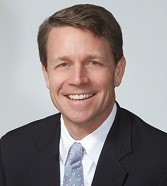
Peter Denious leads the CERC team as its President and CEO.  He came to CERC in August 2019 as an accomplished private equity and venture capital professional who helped realize commercial and economic opportunity by connecting ideas, people and capital.

For the previous 17 years, Peter worked for FLAG Capital Management and its successor, Aberdeen Standard Investments, based in Stamford, CT.  Peter was a member of the senior leadership team responsible for growing the FLAG private equity platform to over $6.5B in AUM from approximately $1B when he joined in 2001.  During his tenure, Peter oversaw the venture capital fund investment program and became deeply involved with FLAG’s push into international markets, particularly Europe and Asia.  He was a member of both the Investment and Management Committees and was ultimately responsible for a $2B investment portfolio. Before FLAG, he worked for J.H. Whitney & Co. a direct private investment firm based in Stamford, CT.  He started his private equity career following business school at BancBoston Capital based in Boston, MA. Prior to graduate school, Peter worked for Prudential Securities and Chemical Bank in investment and commercial banking.

Peter is a graduate of Trinity College and received his MBA from the Tuck School of Business at Dartmouth College, where he is a board member of the Center for Private Equity and Venture Capital.  He is also a member of Social Venture Partners Connecticut, a not for profit focused on closing the opportunity gap in Connecticut by supporting innovative organizations and initiatives in education and workforce development.

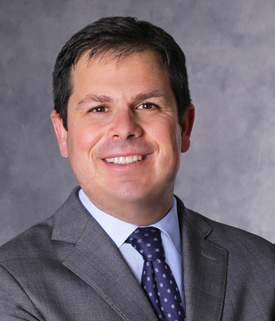
David Lehman, Commissioner & Governor’s Senior Economic Advisor

David Lehman is Commissioner of the Connecticut Department of Economic and Community Development (DECD), the state agency that oversees a wide range of programs promoting business retention and recruitment, brownfield redevelopment, the arts, historic preservation and tourism. Governor Ned Lamont nominated him for the position earlier this year.

Mr. Lehman will also serve as the Governor’s Senior Economic Advisor. He is already hard at work at creating an innovative public-private partnership between DECD and CERC known as the Partnership to Advance the Connecticut of Tomorrow (PACT), a new economic development delivery model for our state.

Mr. Lehman’s business development priorities include helping build our urban centers into engines of growth; further capitalizing on the state’s top-flight colleges and universities; strengthening the state’s workforce pipelines; and marketing Connecticut as a place that is open for business.

Prior to joining DECD, Mr. Lehman worked in the financial services industry. Most recently he was Global Head of Real Estate Finance for the Investment Banking Division of Goldman Sachs, where he worked for 15 years.


Video: https://youtu.be/VdYhHdPW1hs

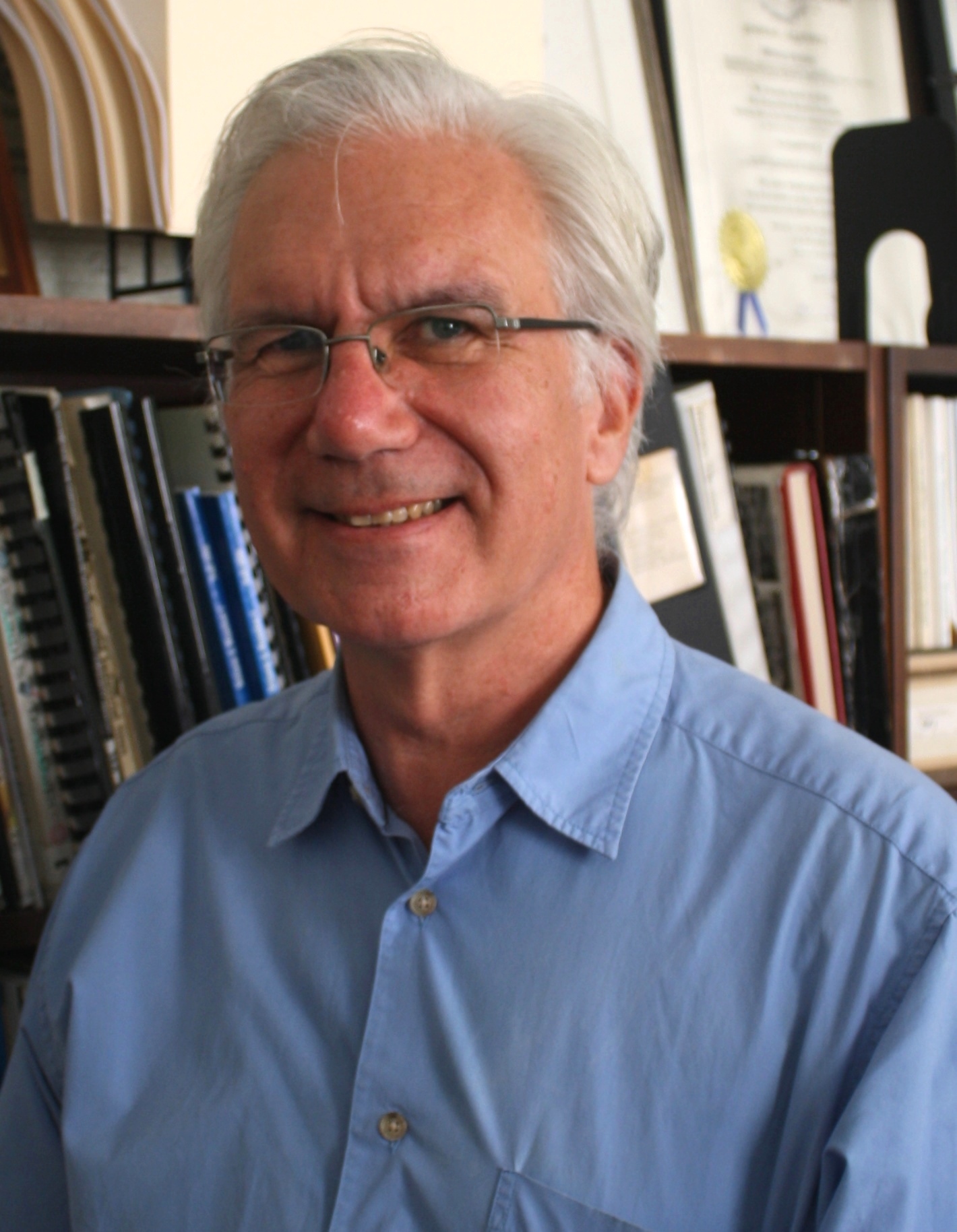
Dr. Sarah Kahn, MD, The Interaction of the Gut and the Brain, December 4, 2019

Bacteroides, Bifidobacteirum, Faecalibacterium, Ruminococcus– these are the names of some of the 100 trillion bacteria who are living and working in your gut. These microscopic critters, collectively known as the microbiome, help our body to digest food, process nutrients, make vitamins B and K, and produce immune molecules that fight inflammation and heal wounds. The most impressive role of this busy workforce may be, surprisingly, in the brain.

While the digestive tract and the brain feel far apart in your body, they are actually connected via a 24/7 direct line of biochemical communication, set up by special nerve cells and immune pathways. It’s called the gut-brain axis. Down in the gut, bacteria make neuroactive compounds, including 90% of our neurotransmitter serotonin, which regulate our emotions. In turn, the brain can send signals to the gastrointestinal system, for example, to stimulate or suppress digestion.

A healthy microbiome is a diverse microbiome. A rich community of varied species protects against one dominating and causing trouble in our gut and beyond. Shifts in the composition or function of the microbiome have been implicated in inflammatory bowel disease, autism, and blood cancers. Researchers are now discovering that a disrupted microbiome, in certain contexts, may contribute to Alzheimer’s disease and related conditions that cause dementia.

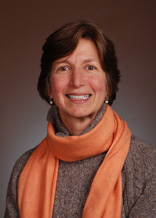
Dr. Sarah A. Kahn, MD

Practicing Gastroenterologist at Stamford Hospital..

Asst.Clin.Prof.GI Columbia University Med Ctr

Fellowship-GI at Montefiore Hospital of Albert Einstein
Medical Residency-Montefiore Hospital of Albert Einstein
Med School-Dartmouth
Undergraduate-Smith College
Married with 4 grown children one with developmental disabilities
Hobbies-reading,yoga,dog walking,spending time with friends and family,travel

Arranged by Alex Garnett

Here are Dr. Kahn’s slides:  Mini-Med updated 2019

Video of her presentation: https://www.youtube.com/watch?v=tyJclO2D7sI&t=13s

Wes Haynes: The Merritt Parkway: History and Future of a National Treasure. November 20, 2019

The Merritt Parkway: History and Future of a National Treasure tells the story of the origin, construction and impact of this historic road that changed the design of American roads and life in Fairfield County, the challenges it faces, and what needs to be done to ensure its future as a safe and beautiful drive.


Wes Haynes is Executive Director of the Merritt Parkway Conservancy, a non-profit, member-supported organization committed to the protection and stewardship of Connecticut’s largest and most heavily used cultural resource.  This great public space is listed on the National Register of Historic Places and is a federally designated Scenic Byway.   Wes’ long career in historic preservation has included senior staff positions with the CT Trust for Historic Preservation, New York Landmarks Conservancy, Preservation League of New York State, and New Jersey Historic Trust.  He has worked on the restorations of New York’s Central Park, the New York State Capitol in Albany, and several Adirondack Great Camps, and directed a recently completed survey of 1,500 historic mills for the CT Trust.  A Stamford native, Wes has taught historic preservation at the Parsons School of Design in New York, Rensselaer Polytechnic Institute in Troy and the Brooklyn High School for the Arts, and currently serves as a volunteer preservation advisor to the Mary and Eliza Freeman Houses in Bridgeport, Stamford’s First Presbyterian Church and the New Canaan Preservation Alliance.

Arranged by Jim Cameron who will participate in the discussion section.

Jim Cameron is a founder of the Commuter Action Group and former chair of the Connecticut Rail Commuter Council. A veteran television journalist, he writes about transportation issues facing Connecticut commuters.

Video: https://youtu.be/M8J2U0i7w20

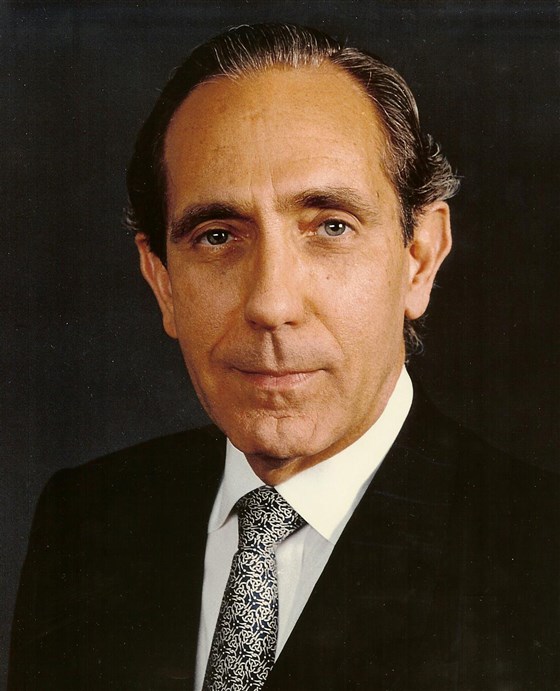
Nestor Carbonell, “Why Cuba Matters”, November 13, 2019

WHY CUBA MATTERS: NEW THREATS IN AMERICA’S BACKYARD. Even after the U.S. restored diplomatic relations with Cuba in 2015 and removed it from the list of states sponsors of terrorism, the Castro regime intensified repression on the island and bolstered the besieged Maduro dictatorship in Venezuela with intelligence and paramilitary forces. This, in collusion with Russia and China, which have steadily penetrated Latin America while Washington looked elsewhere. To address this challenge, I will draw on experiences learned in dealing with a regime that deceived and subjugated the Cuban people and defied 12 U.S. presidents over 60 plus years                          .

Mr. Carbonell was born and raised in Havana, Cuba. He comes from a family that left its imprint on the nation’s wars of independence and the foundation of the Republic. He earned a Doctor of Law degree from the University of Villanueva in Havana, and holds a Master of Law degree and a Strategic Marketing Certificate from Harvard University.

Having opposed the Castro-Communist takeover of Cuba in 1959, Mr. Carbonell went into exile in mid-1960 and participated in the Bay of Pigs operation. As Special Representative of the U.S.-backed Cuban Revolutionary Council to the Organization of American States, he led the diplomatic effort to expel the Castro regime from the regional organization, and subsequently alerted Congress to the Soviet strategic military buildup in Cuba that gave rise to the Missile Crisis.

Mr. Carbonell joined PepsiCo in 1967 as Counsel, Latin America, and progressed through a variety of management positions, including Area Vice President, North Latin America and Zone President, Western and Eastern European Operations. He retired from PepsiCo in 2008 as Corporate Vice President in charge of International Government Relations and Public Affairs. 

Mr. Carbonell is a member of the Council on Foreign Relations and of the Board of Overseers of the International Rescue Committee. He also served in academic boards of Georgetown University and Duke University, as a Fellow in the Foreign Policy Association, and active participant in the World Economic Forum.

Mr. Carbonell is the author of several books and publications on Cuba, law and history, including “And the Russians Stayed—The Sovietization of Cuba” published by William Morrow in 1989, and endorsed by Richard Nixon, Brent Scowcroft, Jeane Kirkpatrick and Zbigniew Brzezinski.

Mr. Carbonell’s forthcoming book is WHY CUBA MATTERS: NEW THREATS IN AMERICA’S BACKYARD.


Arranged by John Hess

Video of presentation: https://youtu.be/CBRm9sp6FgE


« Older posts