Month: July 2023 (Page 3 of 4)

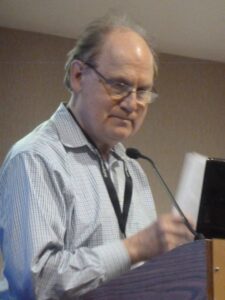
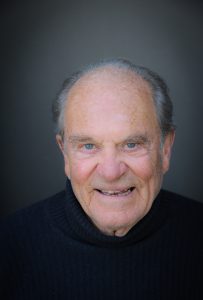
Tim Brooks, “How Jazz and Blues Became America’s Music”, Jan 10, 2024 at 10:00

How Jazz and Blues Became “America’s Music”

African American-derived music, in the form of jazz and blues, exploded into mainstream American culture one hundred years ago. Using original recordings as examples, author Tim Brooks will trace how and why, during a relatively short period of time, the relatively staid, Victorian sounds of the 19th and early 20th centuries era gave way to a multiplicity of musical currents that became truly “America’s music.”

Tim Brooks is the author of nine books on media history, including Lost Sounds: Blacks and the Birth of the Recording Industry: 1890-1919, which lays the groundwork for this era, and The Blackface Minstrel Show in Mass Media: 20th Century Performances on Radio, Records, Film and Television. His books have won many awards, including the American Book Award and the ASCAP Deems Taylor Award for best book on music. He has also produced a number of reissue CDs, is a three-time Grammy nominee and won a Grammy Award for Best Historical Reissue for the companion CD to Lost Sounds. He is the current president of the Association for Recorded Sound Collections, a national organization of recording scholars and archivists.

Speaker Summary

Music historian Tim Brooks took us through the evolution of jazz and blues on the American music scene, how it impacted American culture, and the cultural and musical roles of blacks in America due to the jazz and blues movements. He began (and ended) with a perspective by Anton Dvorak regarding “Negro music” as core to the American musical identity and how, through jazz and blues, this grew and evolved to become “America’s music”. Using original recordings from as early as the 1910’s, Brooks traced the rapid evolution of both forms in the 1920’s and beyond.

Tim talked about the role of early musical recording technology and the dominance of 3 companies/labels (largely protected by patents) that largely created a middle class white recorded music industry. This was done purely from the perspective of economics since that’s who could afford to buy the equipment and recordings. He discussed how the emergence of the first jazz recording in 1917 – coincident with the expiration of these patents – created the opportunity for smaller labels to enter the jazz scene. This opened the door for the emergence of many performers, including many blacks, in this new musical genre. He talked about the splintering of jazz into multiple styles (he noted at least 6), each contributing stars and now “classic” songs that helped further the growth of jazz and its different styles. These included Louis Armstrong (Dixieland), George Gershwin (Symphonic) and Duke Ellington (Sophisticated Big Band), among others. It also fed the emergence of jazz “personalities” and many popular songs that are often identified with jazz even when they weren’t written for jazz.

Tim then pivoted to discuss how the blues evolved simultaneously with jazz as the other arm of black-inspired music that helped define America’s music identity. It’s turning point was the 1st blues recording by a small label in 1920 that sold well among black consumers and helped drive the emergence of blues to attract/appeal to this new market opportunity. Other labels jumped into the market and many black, and female, singers emerged and dominated this space.  As with jazz, blues also began to splinter but less so than jazz with 3 primary styles emerging – Delta, Urban and Country Music.

Brooks noted that, by the 30’s and 40’s, both jazz and blues had become a core part of American music and how black musicians /performers had become core along with them. He showed how each genre further evolved into additional musical styles (including rock & roll from blues).

Tim ended by musing back on Dvorak’s comment about “Negro music”, how African-American derived music had become the folk music of America, and how the integration of black music into the mainstream contributed to the integration of black performers (and blacks, in general) further into the American cultural mainstream.

Video Presentation

Olena Lennon, “An Update on the War in Ukraine”, Jan 3, 2024 at 10:00

                                                                                                                                                                                                                                                                                   An Update on the War in Ukraine: What’s at Stake for the U.S.

As Russia’s brutal war against Ukraine nears the two-year mark, fears mount that there will be a disruption in crucial US aid to Ukraine. While Ukrainians continue to endure Russian bombardments, Russia’s determination to keep fighting is based on expectations of reduced Western support to continue the war effort. In her talk, Olena Lennon will take stock of the current battlefield dynamics, discuss future paths forward, and what’s at stake for the US.


Olena Lennon, Ph.D. is an Adjunct Professor of National Security at the University of New Haven, where she teaches such courses as the U.S. Foreign & Defense Policy and International Relations. Formerly a Fulbright scholar from Ukraine, and most recently a scholar at Woodrow Wilson Center in Washington, D.C., she has dedicated her research to the study of conflict management and identity politics in eastern Europe, focused on domestic and foreign policy of Ukraine. An eastern Ukraine native, Dr. Lennon has been a regular participant in scholarly and media forums related to issues in Ukraine, facilitating a more informed and objective analysis of the ongoing Russo-Ukrainian war. She also serves as an election observer with the Organization for Security and Cooperation in Europe (OSCE) and has completed several election observation missions in the region. Her work appeared in Foreign Affairs, The National Interest, Demokratizatsiya, Eurasian Geography and Economics, and other outlets.

Speaker suggested by Jan Selkowitz

Speaker Summary

Dr. Lennon provided an in-depth, insightful, and often discouraging talk on the state of the War in Ukraine, the costs of the war, the dangers if Ukraine doesn’t emerge victorious and the likelihood of significant progress in the near-term based on her extensive knowledge of the region, the cultural and political realities of the countries involved, and what’s at stake for both sides. In the process, she lent valuable insights into misperceptions about how Russians likely view the war, why Ukrainians see no option other than continuing to fight, and why anything short of a Ukrainian victory creates risks to the US and the West. Her views were framed by her experience studying wars and foreign relations in the area as well as having lived in (and having on-going connections to) the southeastern region of Ukraine.

Olena began with an up-to-the-minute report on recent activities in Ukraine (literally from the night before her talk) and laid out the premise that there will be no military solution to the war but that there is currently no viable political solution, so the military battle will continue. And she doesn’t expect an end to the war anytime soon due to the intransigence on both sides.

She shared “statistics” from the war:  casualties, displaced populations, infrastructure destruction, impact on the Ukrainian economy, global food supply impact, and, especially, the “genocidal” impact of the Russians “repatriating” 6000 Ukrainian children to Russia. This served as evidence of the Russian “way of war” and why it makes it impossible for Ukrainians to do anything but commit to fight for as long as necessary to survive.

Olena spoke to how recent Russian escalations reflect the damage inflected by the Ukrainians, retaliation for Russian Navy humiliations, and Putin’s need to push harder to deliver on his promise to “liberate” Ukraine in advance of his upcoming election. She noted a stalemate in terms of territorial progress of the war, but rejected the notion there’s a true stalemate because both sides continue to believe they can win, and that defeat is unacceptable, so they will fight on.  As a result, her prognosis for the near term seemed discouraging and pessimistic as the fight drags on. And, while talking to Ukraine’s strategic gains, including a more consolidated identity and unity as a democratic nation, she made it clear that much of the motivation to continue fighting was about survival and avoiding future generations from fighting the same war as much as about fighting for democratic ideals.

Dr. Lennon also made it clear that hopes/expectations that Russians would rise up to overthrow Putin and the Russian government were inconsistent with the Russian cultural, political and military system. In fact, the long-term view of Russians is about maintaining and protecting their sovereignty and that they view the fight to regain their territory to be justified. Additionally, they also know that engaging in political insurgency is a formula for certain personal disaster, and the benefits of war (for those fighting and their survivors should they die), is great. So, the Russian people will not likely be the source of instability and threat to Putin and, in fact, she thinks the war would likely outlive Putin if he were to no longer be in power.

Olena closed with a discussion of risks to the US if Ukraine loses ranging from lost deterrence credibility to further challenges from hostile governments to the cost of needing to support insurgent warfare since Ukrainians will continue to fight regardless of any “formal” agreement that reflects Russian victory. In this context, she emphasized that the “deal” the US and West have had so far has been pretty good with no loss of life and largely providing resources from old stockpiles. The key to a better 2024 and future for the war is the willingness of the US to continue to invest and support these efforts. But she worries that foreign policy and wars have historically been used for political agendas, especially in election years.

A detailed and lively Q&A session that enabled Dr. Lennon to expand upon and reinforce many of her points and perspectives followed.

Video Presentation

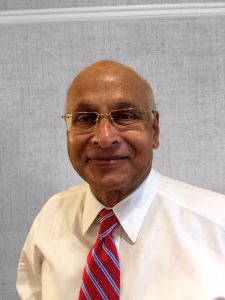
Sunil Saksena, “How a Corporation Conquered and Colonized India”, December 13, 2023 at 10:00

The British East India Company – How a Corporation Conquered and Colonized India

 It is well known that India was once a colony of Britain. However, most people don’t know that India was colonized not by the British government but by a for-profit British corporation listed on the London Stock Exchange – The East India Company. This company became the most powerful corporation in history, controlling half the world’s trade and ruling an entire country. It had its own private army which, at its peak, numbered 200,000 soldiers, more than twice the size of the British army itself. Sunil will tell the amazing story of how this company, led by a band of opportunistic, greedy, and ruthless adventurers, managed to rule an entire subcontinent from a boardroom in the city of London.


Sunil was born in Lucknow, India in 1944. He graduated high school from La Martiniere College, Lucknow and received a bachelor’s degree in mechanical engineering from Indian Institute of Technology, Roorkee.

He worked at Union Carbide India before proceeding to University of California at Berkeley for graduate work. He received both a masters degree in engineering as well as an MBA from Berkeley. He worked as a Mechanical Engineer at American Can Company in San Francisco where his claim to fame is that he designed the machine that puts the can cover on the beer can making it safe for you beer drinkers to imbibe. For the majority of his career, Sunil was in finance: first, as an international banker with Bankers Trust Company serving in Mumbai, Singapore and New York and then, as an investment advisor with Fidelity Investments from which he retired in 2004.


Speaker Summary

Sunil told the fascinating story of the rise and fall of the East India Company based heavily on William Dalrymple’s book, “The Anarchy”. Sunil detailed how a publicly-traded British trading company with humble beginnings founded in 1599 with plans to primarily trade in spices in Indonesia and surrounding islands grew into the most powerful company in the world with control over the world’s richest country – India. He talked about how they were enabled by the British government through a royal charter awarding them a monopoly on all trade between England and Asia and furthered by the first example of corporate lobbying in Parliament to help maintain their power.

Sunil discussed the fall of the Mughal empire in India that facilitated the progressive growth of the EIC until they had established bases in Bombay, Calcutta and Madras and ultimately controlled the entire Indian sub-continent. He talked about how modern war techniques used by the EIC’s private army facilitated the spread of the EIC’s power against antiquated Mughal fighting approaches. He noted how Robert Clive became the richest man in Europe based on his exploits in India. Throughout, Sunil referenced the often inhumane and barbaric policies of Clive and the EIC as well as how they “smartly” built their wealth at essentially no risk by using the taxes they levied on the Indians to purchase the goods they then sold abroad to drive risk-free profits and wealth.

Sunil noted how the EIC had a role in the American Revolution since the tea at the Boston Tea Party came from the EIC and how the failures of the colonization efforts in America created fears about similar things happening in India (leading to putting Lord Cornwallis in place as the Governor in India).  By 1803 the EIC had a 30-year charter to control India.   This was dissolved in 1830 due to fears of how the EIC was impacting activities back in Great Britain.  And the fall of the EIC eventually followed the growth of the impact of Evangelical Christians in India that led to the Indian Mutiny-Massacre in 1857.  While the EIC put down the revolt, the bloody battle led the British Government to take over control of India from the EIC and India remained a British Colony until it was freed in 1947.

Video PresentationS

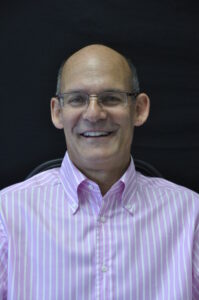
Harlan Stone, “Sports Marketing: An Inside Look at the U.S. Open”, Dec 6, 2023 at 10:00

Sports Marketing:  An Inside Look at the U.S. Open

 Harlan Stone, sports marketing pioneer and innovator, and former Chief Business Officer for the United States Tennis Association (USTA), will provide an inside look at the business of the  U.S. Open. He will provide an insider’s view of what this entails and how he redefined marketing for the Open at the USTA. He’ll also share some fun stories and trivia sure to entertain us all.


Harlan Stone has spent 40 years in the sports marketing industry and is widely recognized as one of the leading practitioners in the sponsorship discipline. Stone began his career as a promoter of “Legends” tennis events, and then became the Director of Sports Marketing for Golf Digest and Tennis (New York Times Magazines) in 1985 at the age of 27.

Following two years at the Magazines, Stone became the VP Marketing for Advantage International which later became known as Octagon. Stone became President and one of 5 partners when the firm was sold to IPG in 1997. In his 13 years at Octagon, he led the growth of its Marketing division to one of the largest sports marketing companies in the world.

Stone moved within the IPG family to become CEO of Momentum Worldwide in 2000 (part of McCann Erickson) and then in 2002 joined Velocity Sports and Entertainment. As one of five partners, Stone help drive the growth of Velocity across all sponsorship disciplines, and led a variety of client assignments including USTA, Cirque du Soleil, Little League Baseball, Visa, USA Track and Field among others.

After the sale of Velocity in 2007 to Aegis/Dentsu, Stone did a brief stint as President of Major League Gaming and then was recruited to become the Chief Business Officer for the USTA where he was responsible for all commercial aspects of the USTA’s business, most importantly the US Open. Stone set records in securing sponsorship during his tenure and doubled domestic television rights primarily through a landmark $825 million ESPN rights agreement. In 2011 Stone started SJX Partners, which quickly became one of the country’s leading sponsorship sales organizations. SJX was acquired by London based Chime Sports Marketing (CSM) in 2014 and Stone remained Chairman of Chime until the end of 2019. In 2021 Stone was named a recipient of the Sports Business Journal “CHAMPIONS OF SPORTS BUSINESS” award, annually given to “Pioneers and Innovators” who have made “a distinct and sustainable impact on the sports industry.” He was recently inducted into the New England Tennis Hall of Fame.

Harlan is now partly retired spending time on local charity work and occasional consulting. Harlan has 3 grown children and 2 grandchildren, continues to play competitive age group tennis, and splits time between San Diego and Darien, Connecticut.

Speaker arranged by Frank Gallagher


Speaker Summary

Harlan gave a lively, entertaining, and informative talk on his tennis marketing career and especially, his success marketing the U.S Open tennis event. He explained how he “accidently” got into tennis marketing at the Tennis Hall of Fame which became the launching pad for a series of progressively larger positions with several sports marketing companies during which he became known as an innovator and leader in the industry.

Harlan talked about creating the Legends Tennis Event in New Canaan that attracted many of the world’s former leading players (some of whom flew coach from Australia to play for a modest money pool). And he told an entertaining story (at least in hindsight and to the DMA audience) of how the tournament’s run came to an end after 14 years due to the disruptive behavior of one newcomer to the tournament at an otherwise friendly and collegial event.

Harlan noted that the U.S Open is the largest annually attended sports event in the world and that 3 things drive its success: its timing at the end of the summer/the re-start to the “business year” in the fall; the extraordinary audience (average HH income of $253K); and its presence in the business capital of the world that drives sponsorship value. Together, this makes The Open more than a tennis tournament – it’s a “happening”. He talked to the longevity of the title sponsors (and how the sponsorships work for each of them), highlighted by stories about the resolution of a conflict between AmEx and JPMorgan Chase and an ultimately unnecessary trip to Dubai to finalize the Emirates Airline sponsorship.

Stone talked to the 6 elements that drive sponsorship programs and how they have contributed to revenue growth from $203M in 2003 to $472M in 2023 (generating a profit of $250M in 2023). He compared the U.S Open revenue to other major sports and how it exceeds the revenue of essentially all others and compares to that of the average NFL team. He explained the decision to open the bidding for the TV rights for The Open to fund the critical roof for the Flushing Meadows facility (at a cost of $200M), with ESPN paying $825M for the rights package. Harlan closed his comments by noting that the next big revenue opportunity for the USTA is to build a new stadium with up to 200 luxury boxes worth $1M apiece for the two-week event.

Harlan then ran a lively trivia contest focusing on fun facts about The Open where DMA members won U.S. Open merchandise. This was followed by an engaging Q&A session that demonstrated the degree of interest in the topic and Harlan’s insightful perspectives and entertaining style.


Video Presentation 

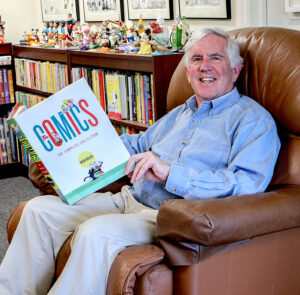
Brian Walker, “A Life in Cartoons”, Nov 29, 2023 at 10:00

A Life in Cartoons – Growing Up and Working in the Cartoon Business

Cartoonist and longtime Wilton resident Brian Walker will give a PowerPoint presentation about growing up and working in the cartoon business. He has written, edited or contributed to forty-five books on cartoon art, including the definitive history, The Comics, The Complete Collection, as well as numerous exhibition catalogues and magazine articles.

Brian is part of the creative team that produces the comic strips Beetle Bailey and Hi and Lois. The setting for Hi and Loisresembles Wilton and often features familiar settings such as The Silvermine Market, Cobbs Mill Inn, Orem’s Diner, Scoops Ice Cream and the Silvermine Tavern.

Brian Walker has a diverse background in professional cartooning and cartoon scholarship. He is a founder and former director of the Museum of Cartoon Art, where he worked from 1974 to 1992. He taught a course in cartoon history at the School of Visual Arts from 1995 to 1996. He has served as curator for seventy-five cartoon exhibitions including three major retrospectives, The Sunday Funnies:  100 Years of Comics in American Life, at the Barnum Museum in Bridgeport, Connecticut, 100 Years of American Comics at the Belgian Center for Comic Art in Brussels and Masters of American Comics at the Hammer Museum and the Museum of Contemporary Art in Los Angeles. He was Editor-in-Chief of Collectors Showcase magazine from 1997 to 2000 and is the founder and current chairman of the Connecticut Chapter of the National Cartoonists Society.

Speaker suggested by Gehr Brown

Speaker  Summary

Brian took us on an historical and often nostalgic journey through his, his famous father’s (Mort Walker), and his family’s lives as cartoonists focusing on the creation and sustained success of the Beetle Bailey and Hi and Lois comic strips. Interestingly, these two strips are “related” since Lois’ character was created as Beetle’s sister. Mort created Hi and Lois after the Korean War when he wasn’t sure how an army-based strip would perform in a post-war world, so he conceived a family-based strip for the times. In the end, these two strips were the only two of the nine he created over his lifetime that had sustained success. Along with his brothers, Brian has carried on the work of creating these strips.

Brian discussed his involvement in the development of an ill-fated Cartoon Museum and its progression through three stand-alone locations before ultimately finding a long-term home as part of the larger art museum at Ohio State University. As it turns out, the Cartoon Museum was Brian’s entry into the cartoon business. He had no intention to follow in his father’s footsteps (in fact, his college degree was in East African Culture), but he was “recruited” by his father to help create, manage, and curate the museum. This evolved into a career creating cartoons and writing books and curating exhibits about cartoons.

Brian shared that his father’s interest in cartoons began as a young child in Kansas City and grew into one of the most successful cartoon careers in the industry. Beetle Bailey grew out of Mort’s experience in army boot camp and the Sarge character was based on his own drill sergeant. He talked about the critical nature of being “true” to the characters the readers come to know and how this impacts what is and isn’t acceptable in a “gag” (the cartoonist’s word for a strip’s storyline). He also noted that Beetle never left Camp Swampy/was deployed because his dad didn’t think there was anything funny about warfare and the real work of the military.

Hi and Lois is a strip about family situations everyone can relate to. It is heavily based on the Wilton, CT area and locales (restaurants, stores, etc.) from his own life as a resident there. Brian noted that Fairfield County has always been a hotbed of industry talent with many well-known cartoonists making their homes in the area and feeding off each other as a powerful creative community for the genre.

Brian ended his formal talk with a video created by his son that provided an interesting insight into the process of creating comic strips. It was an informative and heart-warming look at how Mort Walker and his sons created their strips, starting with “gag conferences” to review and select storylines and ending with the final “inked” strip. It was interesting to note that each branded strip has a very distinctive style – in the case of Beetle Bailey, right down to the shape of the word/thought balloons.

Brian’s talk was followed by an extended Q&A session in which topics like the economics of the cartoon industry, how changes in where we get our news have impacted how and which strips are distributed, and an interesting discussion of how the movie studios have tried to translate strips into longer form cartoons with mixed results. Brian closed with a touching reference to being lucky to have worked so closely with his dad for most of his life and that he greatly admired that his dad, despite his success and acclaim, was known and respected for being a normal, nice guy.

Video Presentation 

Flemming Heilmann, “Egalitarianism’s Muddle over Equality, Equity and Equal Treatment”, Nov 15, 2023 at 10:00


Egalitarianism’s Muddle over Equality, Equity and Equal Treatment

Individual freedom for all law-abiding citizens, alongside equal rights and equal treatment under the law, are the prerequisites of true and sustainable democracy. Egalitarian theories and the quest for some definition of Equality are the subject of infinite debate and writings and even the most respected English language dictionaries struggles with, and differ in, their views and definitions of Egalitarianism. Against this imprecise background of semantics and interpretations, there is plenty of room for confusion, muddled thinking and misconception pertaining to these notions. DMA member Flemming Heilmann will try to bring some clarity to this confusion and offer some thoughts on solutions on how to address the challenges of trying to ensure equality, equity and justice for all.

Flemming was born in Malaysia to Danish parents and studied at Cambridge University, where he graduated with degrees in economics and law. He has since held executive and CEO positions in the manufacturing sector focused on the consumer goods packaging industry, mainly public companies listed on the Johannesburg, Toronto and New York stock exchanges, and has most recently been associated with investment in and management of buy-outs of distressed businesses, with multiple directorships in public and private companies in South Africa, Western Europe, Canada and the United States.

In 2017 Flemming published Odyssey Uncharted, a memoir of World War II childhood and education on four continents, set in mid-20th century history, and in 2019 published his second book, The Unacceptable Face, charting a career on three continents under apartheid, extreme socialism and disparate iterations of capitalism.  His translation of Halfdan Lefevre’s The Men in Denmark’s Freedom Council was published in February 2022 by Telemachus Press.

Arranged by Tom Igoe

Speaker Summary

Flemming combined perspectives on two of his “hobby horses” to provide an informative and thought-provoking talk about critical aspects of a modern democratic society and specifically applied them to the current situation in the United States: the confusion about equality, equity and equal treatment; and the role of education in preparing the average youth to participate in democracy.

Flemming argued that, while providing equal opportunities and treatment (equity) should be givens and are fundamentals for a democratic society, the notion that we can create equality is not feasible since equality is inconsistent with the realities of differences based on biological characteristics and abilities. Equality assumes that we can make humans identical/exactly the same, but that defies biological reality. He used the obvious example of trying to enable everyone to run as fast as Usain Bolt to help make his point, but the realities of human inequalities apply to other characteristics as well, driven by genetic and biological differences.  On the other hand, you can codify a means to give everyone the same opportunities and rights and that should be the focus of our egalitarian efforts. As part of the Q&A, Flemming questioned the phrase that it is “self-evident that all men are created equal” as stated in the Declaration of Independence, not to question the importance of providing equal rights and opportunities, but as a misstatement about everyone being created equal.

As his talk progressed, Flemming integrated thoughts on the critical role of education in ensuring the health of a democracy, arguing that an uninformed citizenry cannot hope to have the knowledge needed to understand the issues facing the nation to effectively participate and make informed decisions. He bemoaned the poor knowledge of civics, the low voting turnout rates and, the abysmal literacy rates in the United States, especially compared to other leading democratic nations. He also touched on the misconception that everyone should pursue a college education, talking to the role and opportunity of the trades and apprenticeships in meeting the employment needs of the nation (and how these are handled in other nations).  Flemming focused great attention on how your “zip code” should not impact your educational opportunity with an emphasis on the need to allocate/reallocate resources and funds between higher and lower income zip codes to improve the opportunities for those in poorer areas (and he noted that this is as much a rural America problem as it is an inner city/urban issue). He made it very clear that he rejects the notion that our educational system can’t be fixed and that he is pessimistic about our democracy if we don’t address this educational gap. Flemming then spent some time discussing the program he has been involved with in Queens that has dramatically improved and impacted the literacy rates and opportunities for its participants as an example of how the appropriate use of resources to provide equal opportunities can make an important difference.

An engaging discussion and Q&A session followed Flemming’s prepared comments and reflected how his thoughts had struck a responsive tone with the DMA membership.

Video Presentation


Heather Wagner, “Good Vibrations: Music and Well-Being”, Nov 8, 2023 at 10:00

Good Vibrations: Music and Well-Being

Lifelong engagement in music has benefits in many areas of life, including our physical, psychological, spiritual, and social well-being. Being more intentional in how we use music in our everyday lives can enhance these benefits. Board-certified music therapist Dr. Heather Wagner will share how to harness the potential of music in your life and to improve your well-being. This presentation will include both information and music experiences. No musical skill is necessary, just an appreciation for music!


Heather Wagner, PhD, MT-BC is a music therapy educator, clinician, and supervisor with over 25 years of experience. She is an assistant professor and coordinator of the music therapy program at Southern Connecticut State University, and adjuncts for the master’s program at the University of Chulalongkorn in Bangkok, Thailand. She has extensive clinical experience with children and adults in medical, rehabilitation, and mental health settings, focusing on integrative approach to health and recovery. Heather is a fellow of the Association for Music and Imagery and is a trainer of the Bonny Method of Guided Imagery and Music. She has a long history of service to the American Music Therapy Association both nationally and regionally. Her leadership of the Connecticut Music Therapy State Task Force resulted in legislation in 2023 for state licensing of music therapists. Heather’s research and scholarly efforts currently focus on music therapy and pain, trauma-informed practice, resilience, and self-determination theory.

Speaker Summary

Music therapy professor and licensed clinical music therapist Heather Wagner took the group through an enlightening and stimulating session on the power of music to enhance your life by impacting you physically, emotionally and psychologically, with a goal of helping people use music intentionally to enhance their well-being. She noted the universality of music and how all people, all cultures and all times have had musical behaviors. She then went into a brief discussion of how music impacts the brain in multiple areas, which helps explain the many ways music can be used to help with therapies for many health and wellness problems.

Heather talked about the physiological, chemical, physical, and emotional responses that music generates. To demonstrate some of these responses, she played different types of music (quiet/sedative, stimulative and emotional) that helped us experience the responses to different styles of music. Of note was watching the involuntary toe-tapping response to the stimulative piece throughout the room as soon as she played it.

Heather emphasized how your music can be especially impactful. Music that reflects your preferences and that is especially relevant in your life for any number of reasons can be particularly powerful in impacting your responses to music. So, your personal music can be especially useful in a range of treatment/wellness situations. She also noted how music contributes to your identity, with what you liked/listened to between the formative years of 16-25 is especially salient and helps tell your life story.

Wagner then shared the definition of music therapy in a clinical context, the 4 types of music therapy methods and how it is/can be an alternative to more traditional talk therapy to meet individual needs. She also discussed her work to elevate the discipline including licensing of music therapists in CT and the challenges of getting insurance funding as a treatment.  Throughout her talk, Heather gave powerful examples of how music can play a role in the treatment of many conditions including strokes, comas, end-of-life, dementia, and Alzheimers, as well as dealing with psychological/emotional conditions.

During the Q&A session, Heather shared thoughts on how you can intentionally use music in your life via active music making and music listening.  She closed with thoughts on how you can write your own “audiobiography” to determine what music tells the story of your life. Anyone who would like Heather’s slides on these two topics can contact Frank DeLeo for copies of them.

Video Presentation 

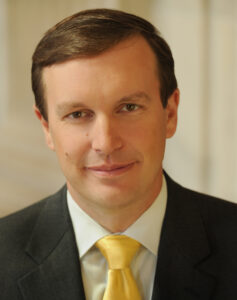
U.S. Senator Chris Murphy, “Perspectives on Key Issues Facing the Nation”, Nov 1, 2023 at 10:00

U.S. Senator from Connecticut, Chris Murphy, will provide his perspectives on key issues currently facing the United States 

Chris Murphy is the junior United States Senator from Connecticut. He serves on the Foreign Relations Committee, the Health, Education, Labor and Pensions Committee, and the Appropriations Committee. Prior to the Senate, Murphy served for three terms in the U.S. House representing the state’s fifth congressional district. In Congress, Murphy is acknowledged as a leading voice for stronger anti-gun violence measures, a smarter foreign policy, and reform of our nation’s mental health system.

Before being elected to Congress, Murphy served for eight years in the Connecticut state legislature. Murphy graduated with honors from Williams College in Massachusetts and received his law degree from the University of Connecticut School of Law. He is married to Catherine Holahan, an attorney, and they have two sons, Owen and Rider.


Speaker Summary

Fresh out of a Foreign Relations Committee briefing on Ukraine, U.S. Senator Chris Murphy provided thoughts on the war in Ukraine and the recent Hamas attacks and Israel’s response to them, followed by over 30 minutes of Q&A on a broad range of subjects that were on the minds of the DMA members.

He started by explaining his position as being essentially “anti-war” but that he is willing to supports “just” wars, and that the war in Ukraine is such a war. The senator commented about the impact on the world order if Russia succeeds and how what happens in Ukraine could impact how China perceives its opportunity to invade Taiwan. So, he sees our support to ensure Ukrainian victory as a wise use of resources, especially since it involves funding and materials but no ask for us to involve our troops in the fight. Regarding Israel, he talked to the barbarism of the Hamas attacks and the need to hold terrorist groups accountable while expressing concerns about civilian losses and working to minimize this aspect of the response. He discussed the differential funding needs for each war and the challenges — and his frustration — in gaining congressional support to fund both efforts due to Republican efforts to tie the funding to other policies/programs having nothing to do with these emergency funding needs.

He closed his prepared remarks by thanking us for giving him the opportunity to serve in his position and stating that he prides himself in taking a leadership role in working in a bipartisan manner to find solutions to problems facing the country.

A robust Q&A session followed in which Senator Murphy provided his perspectives on the state of the current immigration crisis including the change in the “mechanics of migration” and the worldwide market for immigrants, as well as his thoughts on what the key elements of meaningful immigration reform would include.  These are: an increased standard for fear for asylum seekers; increased resources to facilitate more rapid processing of asylum applications; and the need for easier/improved access to temporary work visas to meet the needs of those seeking to enter the U.S. primarily to work (versus for asylum), which will also help address our need for more labor.

Among the other topics that were addressed in the Q&A were: how the challenge of approving hundreds of government promotions when tying these to policy disputes has undercut the logistical realities of getting the promotions approved; how the power of lobbies and campaign funding impacts the ability to find solutions to budget/deficit reduction issues like entitlement reforms (and how it talks to the need for campaign finance reform); how gun violence is about an environment of fear in low-income areas in addition to loss of life;  his belief that there will be substantive progress on assault weapon bans and universal background checks (although he talked to a 10 year horizon for these changes); and that there are some “easy” gun safety changes that can happen sooner (like raising the age to purchase an AR-type gun and requiring licenses).  Like Ken Bernhard, our recent speaker on the 2nd Amendment, he talked about the intention of our founding fathers to empower and enable the states to regulate gun ownership and use.  Murphy noted how the breakdown in intelligence that occurred in Israel was not a surprise (while often right, intelligence is also often wrong), but that the real lesson learned is that intelligence to avoid attacks is not a substitute for policy that addresses the root cause of the issues that leads to them (and, in the case of Israel and the Palestinians, he believes a two-state solution is integral to that solution).

Interestingly, when asked about the challenges and risks to our democracy due to the extreme degree of current political partisanship, Murphy pushed back and talked to the number of pieces of bipartisan legislation that have been recently passed and that, while not naïve about partisan politics or defending the current situation, he believes the narrative is worse than the reality. He also noted that this is worse in the House than the Senate, where he sees more effective bipartisanship. He also attributed some of the problems in the House to issues around redistricting.

The senator ended with an appeal for all of us to be vigilant and sensitive to the needs and dangers in Jewish and Muslim communities in the U.S., for our need to support them, and to report threatening actions to the appropriate authorities.

Video Presentation 

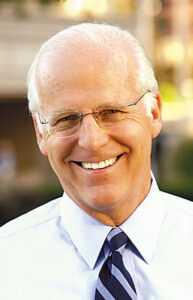
Christopher Shays, “Public Policy in the Era of Political Extremes”, Oct 25, 2023 at 10:00

Public Policy in the Era of Political Extremes: Getting Back to the Center

Former Congressman Christopher Shays will talk about the challenge of having both political parties playing to their extremes, and what the general public can and must do to help bring public policy back toward the middle of the political spectrum.  The  discussion will include what we should expect/demand from our elected officials.


Christopher represented the 4th District in Connecticut from 1987 to 2009 in the United States Congress. Before then, he served 13 years in the Connecticut General Assembly. A moderate Republican, socially progressive and fiscally conservative, Shays had a strong and successful record of reaching across the aisle to address our Nation’s problems.

The only Republican Congressman from New England re-elected in 2006, Shays was consistently recognized for his bipartisan leadership. During his 21 years in Congress, Shays rose to become a senior member of the Budget (Vice-chair), Financial Services, Homeland Security, and Government Reform (Vice-chair), committees, and Chaired the Reform Committee’s National Security Committee with oversight of the Defense and State Departments.

Shays was the primary author of the laws requiring: Congress to live by the acts it writes for the rest of the nation; Congressional gift ban; lobby disclosure; campaign finance reform. As chairman of the National Security Committee, he helped establish the: 9/11 Commission; Director of National Intelligence; Department of Homeland Security; and led 19 oversight trips to Iraq, meeting with our troops, Iraqi government officials, Shia and Sunni leaders, and their followers.

After Congress, Shays Co-chaired the Commission on Wartime Contracting. Then served as a Distinguish Fellow in Public Service at the University of New Haven, and later as a Resident Fellow at the Harvard Kennedy School, Institute of Politics.

Christopher and his wife, Betsi, are former Peace Corps volunteers (Fiji). As a former volunteer, he championed the Corporation for National and Community Service, helping create AmeriCorps.

Christopher Shays is a graduate of Principia College, NYU’s Stern School of Business (MBA), and its Wagner School of Public Administration (MPA). Christopher and Betsi have a daughter Jeramy Alice, and now reside in Easton, Maryland.

Speaker suggested by Tom Igoe.

Speaker Summary

Former Darien resident and U.S. Congressman Chris Shays shared his thoughts on what good representation and service to his constituents and the country looks like. He started with thoughts on how his upbringing in a town where some groups/minorities were not well represented (and, perhaps, welcome) and where having  parents that emphasized the importance of work and engagement on the events of the times (influenced by nightly dinner discussions around topics his father pulled from reading newspapers on his daily commute to-and-from NYC) related to his future in politics. He also mentioned how his third-grade teacher at Hindley School influenced his love for reading and our country and inspired his interest in going into government work early-on in his life.

Shays then talked about how, upon returning from his service in the Peace Corps and moving to Stamford, he began his career in politics. He emphasized that he learned early-on to listen, engage and not make stereotypical assumptions about his constituents to better understand their views, needs and what he needed to do to serve them. He shared several pointed stories that demonstrated this.

Chris spoke about how, despite being/coming from a Republican home, he was influenced by JFK’s view of commitment to the future and doing what was in the best interests of the country and future generations. He said, “Kennedy spoke to him” and influenced his view of government service – focusing on what politicians should do for their constituents/the country versus what they wanted for themselves.

Shays talked at length about taking time to understand what those who had different views than you believed, with the focus on why they believed it so he could represent all his constituents and better work across-the-aisle to find compromise solutions. And, how compromise to getting to solutions was more important than holding out to win.  He was especially critical of the current news media that focuses on one side of issues based on their politic bias, contributing to the lack of a complete understanding that feeds so much of our partisan politics and ideology.

After 20 minutes of prepared comments, a very engaging 40-minute Q&A session allowed Chris to expound upon and embellish his views on what good, bi-partisan service and partnership looks like, his concerns about the current state of politics and his thoughts on some of the key issues facing our country and world today. He mentioned 3 key changes he thinks are critical to an improved democratic process: eliminating gerrymandering as a hindrance to proper representation; concerns with the electoral process/the electoral college that enables the President to be elected without the majority support of the voters; the Senatorial filibuster as a barrier to legislative progress.

Chris closed with two examples from his time as a congressman when foreign leaders expressed powerful views of the United States as a world leader making him feel especially proud to be in his position and of our country, and how he wonders if we are still viewed this way based on the current state of U.S. politics/leadership.

Video Presentation 

Janet King and Susannah Lewis, “The Community Fund of Darien and the Thriving Youth Darien Survey”, Oct 18, 2023 at 10:00

The Community Fund of Darien and the Thriving Youth Darien Survey

 Janet King will provide an overview of The Community Fund and its key elements: Grants, Thriving Youth Darien, Human Services Planning Committee, Volunteer Hub, and Youth Programs. She will share data and trends on key social and welfare issues in our area and how they relate to the work of TCF and discuss TCF grant process and funding goals, as well as the Grant Panelist program and volunteer opportunity.

Susannah Lewis will provide an overview of the recently completed (October, 2023) bi-annual Thriving Youth Darien Survey of Darien middle school and high school students that provides insight into their mental health and substance use patterns.


Janet King has been the Executive Director of The Community Fund of Darien (TCF), since 2018. As Executive Director, she oversees all the operations of TCF, which since 1951 has granted $27,000,000 to local nonprofits. The Community Fund of Darien also convenes Thriving Youth Darien, and Human Services Planning Council, and runs four youth volunteer programs for middle and high school-aged students, as well as The Volunteer Hub for Darien adults looking for volunteer opportunities.

Prior to joining the Community Fund of Darien, Janet was the former Director of Volunteers at Person to Person where she recruited, trained, and organized more than 4,000 volunteers, working alongside clients, corporate teams and community groups. She has experience in program and special event management, employee training, marketing, and fundraising from a variety of companies including Western Athletic Clubs, Brooks Brothers, Esprit de Corp, and May Company. She was raised in Cleveland, Ohio and is a graduate of The Ohio State University. She has volunteered with Tokeneke Parents Teacher Association, Saint Luke’s Parish, Darien Junior Sailing Team, Darien Youth Soccer, Stamford Hospital and Chi Omega alumnae. She serves on the Town of Darien Human Services Commission. Janet has lived in New York City and San Francisco and currently resides in Darien with her husband and enjoys the company of their two sons, a golden retriever and two cats.

Susannah Lewis works in the field of public health, currently as Director of Community Relations and the New Canaan Urgent Assessment Program at Silver Hill Hospital in New Canaan. Prior to this role she was Mental Health Program Coordinator for Correctional Services with New York City Health and Hospitals. She is currently a board member of the Community Fund of Darien and co-chairs Thriving Youth Darien. She is also the Treasurer for the Connecticut Chapter of the National Alliance on Mental Illness (NAMI). Susannah is a past vestry member at St. Bartholomew’s Church in Manhattan and chaired its Development Committee.

Susannah received her Bachelor of Arts in Ancient Greek and Latin from Wellesley College and her Masters of Public Health in Epidemiology from Columbia University’s Mailman School of Public Health. Susannah and her husband William have lived in Darien since 2015 and are members of St. Luke’s Parish. They have a year-old daughter, Annabelle, and an exceptional rescue poodle, Master Kippy.


Speaker Summary

Janet King took us through an overview of The Community Fund pf Darien and how we can participate in The Fund’s grant review and award process. This was followed by a presentation of the bi-annual Darien Youth Survey of middle and high school students about their mental health and substance use patterns. The talk was followed by an engaging Q&A session that focused primarily on thoughts, concerns and suggestions related to the survey.

Janet discussed the history of The Fund, it’s $27,000,000 in grants since its inception in 1951, and their intended impact “to initiate solutions, build collaboration, and implement and support programs to strengthen youth, adults, and families for lasting impact in Darien, Norwalk and Stamford”. She shared data about social issues being faced in these 3 communities including hunger, homelessness, and poverty levels, noting that even in Darien 4%, or 840 homes, have household incomes below the poverty level. She then discussed the 4 key areas of impact for The Fund (basic needs, workforce development, community health and youth success), each of which received between $168,000 and $214,000 in grants last year. Janet then spoke briefly about the 4 Youth Program groups, the Thriving Youth Darien Survey, the Human Services Planning Council (which convenes non-profit, government, healthcare, safety and educational leaders to address social service needs), and The Volunteer Hub which matches residents seeking a local volunteer opportunity with appropriate organizations. She briefly mentioned their two key fundraising activities (The Darien Road Race and Designed to Dine) before closing with an explanation of their grant review and award process and how DMA members can participate in this process to ensure The Fund is investing in the most effective local non-profits.

Susannah Lewis then presented the results of the just completed Darien Youth Survey on substance use and mental health issues. From a timing and topicality perspective, the results were reported to the town and school leadership just last week and were featured in both the Norwalk Hour and Stamford Advocate on the day she shared them with us, as well as in this week’s The Darien Times. This was the 6th iteration of the survey which was first conducted in 2008.

The results, based on a 79% response rate for 6-12th graders (with the 6th grade included in the survey for the first time this year), showed that Darien teens responded favorably for individual and community “protective factors” (with the noted exception of only 52% knowing where to go for help with substance abuse).  While at much lower levels than the protective factors, “risk factors” were still at concerning levels (35% feeling worse due to social media, 30% losing sleep due to gaming and a surprising 22% engaged in gambling activities). Noteworthy was that youth who identified as LGBTQ+ (9% of the population) reported substantially lower levels of protective factors and higher on risks, putting them at greater overall mental health risk.

Susannah then shared the results regarding alcohol use. There is almost no use prior to high school. Usage increases by grade but jumps dramatically for 12th graders to an alarming 50% in the past 30 days, more than double for 10th and 11th graders. On a positive note, stated use is down dramatically from 2018 which suggests the positive impact of programs to improve education/reduce usage. Compared to other towns in the area, alcohol use in Darien is similar to most other towns with the notable exception of 12th graders which is substantially higher for Darien.  In subsequent discussions about this, Susannah suggested several factors that could be causing this, including a generally higher acceptance of drinking in Darien (i.e., the town appears to have more of a “drinking culture”). Use of other substances (marijuana, vaping, smoking, prescription drugs) were all down dramatically from 2018 and at generally low levels (.3 – 4%). In looking at the culture of drinking, the most notable findings were that peer pressure/involvement matters, alcohol is readily available, nearly 25% stated they drink at home with their parents present, and one of the top reasons for not drinking was parents being strict about it. She closed with the statistic that Darien teens are 9X more likely to drink if they don’t think their parents disapprove.

 When it comes to mental health, 1 in 4 high schoolers and 1 in 5 middle schoolers report persistent sadness, hopelessness and anxiety. While these are concerning levels, they are generally comparable to other local towns and well below state and national levels. Comparing males to females, boys had generally lower levels of these conditions but scored worse on the impact of gaming and had higher rates of bullying. Girls reported higher rates of sadness, anxiety and loneliness, restrictive eating behavior, self-harm/suicidal ideation and negative social media consequences.

Depression and suicide data are clearly concerning, with 20+% feeling so sad, hopeless, or anxious almost every day for 2+ weeks that it impacted their usual activities.  9% (163 respondents) seriously considered suicide, 6% (115 respondents) made a plan for how they would do it, and 2% (46 respondents) reported attempting suicide. While well below state and national levels, the fact that this many of our youth reported these behaviors is very concerning.

Susannah summarized by stating there’s evidence that town initiatives have helped move the needle in the right direction but there is still work to do, especially in setting clear family rules around substance (primarily alcohol) use and relaxing them at too young an age. She also emphasized the heightened concerns and needs for the LGBTQ+ and minority communities in town who feel less protected and are at greater mental health risk. She closed by sharing three programs that are being supported by the town/The Fund to continue to inform and support Darien Youth.

Video Presentation 

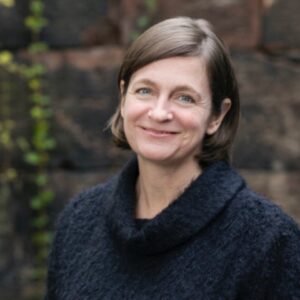
Beka Sturges, “Beauty and Community: Exceptional Landscapes as Public Spaces”, Oct 11, 2023 at 10:00

Beauty and Community: Exceptional Landscapes as Public Spaces 

Can landscapes of great natural beauty and cultural legacy also become generous public spaces that serve their immediate communities and afford destinations for visitors? How can we interpret and adapt these landscapes to meet contemporary needs? How can we program them appropriately and operate them to ensure they are economically and environmentally sustainable? Beka Sturges of Reed Hilderbrand will address and help answer these questions. Her presentation will provide valuable insights that might be especially helpful as Darien determines next steps for the Great Island property.

Reed Hilderbrand is an American landscape architecture firm recognized for many award-winning projects that have guided the growth and change of significant landscapes from Boston’s 527-acre Franklin Park to Patagonia’s Parque Nacional Corcovado. In addition to private residences and work on university and museum campuses, Reed Hilderbrand works with organizations and communities on strategic and transformative projects. In Cambridge, they have completed an Urban Forest Plan to advance city-wide green infrastructure. They are currently guiding the transformation of a private estate into a new Audubon Society sanctuary on the Concord River and the adaptation of a famous summer camp into a new park and civic center for the Town of Brewster on Cape Cod.

Beka Sturges is partner and principal of Reed Hilderbrand and a senior critic at Yale University School of Architecture. She leads the practice’s office in New Haven. Her projects include the landscapes of The Clark Art Institute in the Berkshires, Storm King Art Center in the Hudson Valley, Dumbarton Oaks in Washington, D.C, and Elizabeth Park in Hartford, Connecticut. In “Beauty and Community” Beka reinterprets contemporary American landscape architecture through the careers of Beatrix Ferrand and Cornelia Hahn Oberlander to arrive at Reed Hilderbrand’s unique design approach to place, community, and beauty. As communities and institutions continue to evolve in the twenty-first century, Beka considers how Connecticut’s diverse landscapes might be best positioned to serve goals of climate resilience, equity, environmental justice — and beauty.

Beka earned her BA in English from Sarah Lawrence College.  She began studies towards a PhD in English Literature at Princeton University before earning a Master of Landscape Architecture from the Harvard Graduate School of Design.

Speaker arranged by Richard Grefe


Speaker Summary

Landscape architect Beka Sturges provided an informative and thought-provoking talk about creating beauty in public spaces and then talked about how this process can be applied by Darien as it plans for the development of the Great Island property.

Beka commented on what makes for a beautiful landscape and how its development needs to evolve and endure, then shared examples like The Clark Art Institute and the New Orleans Museum of Art. She talked about how offering a variety of experiences and the quality of the transformation of the space helps make a space deeply loved.

She emphasized that a guiding principle of her firm’s work is identifying and bringing out the one thing that is most distinctive about each piece of land to both ensure it is preserved and emphasized in the development. And that determining what needs to be preserved (and, what does not) is a key first step in any design project.

As Beka moved to thoughts on Great Island, she spoke about the things that contribute to beauty in nature – light, color, stone and texture. She provided some inspiring thoughts about islands and how they embody and inspire things like fantasy, hope and even utopia with examples like Hawaii, Martha’s Vineyard and the nearby Thimble Islands. Beka spoke at some length about the decisions that need to be made about the current structures and some of the considerations involved in deciding which to keep, including historical significance and cost to update and maintain them.

Beka spent a great deal of time in her talk and during the Q&A talking about how critical the process to determine what will be done with a space – especially a public space – needs to be to ensure commitment, arrival at clearly defined “shared values” and buy-in by all constituents. And how a clear, well-defined process and transparent sharing of information and decision-making facilitates this. She also talked to the need to manage the number of decision-makers and how government versus outside resources can be used to ensure a perceived sense of objectivity in the process, as well as leveraging expertise that may not be available within government/local resources.

Finally, she talked about governance and funding models for a spaces like Great Island including public, non-profit and private options and how a combination of them often makes the most sense from a financial perspective.

There was a lengthy Q&A that focused primarily on Great Island and served to expand upon many of the points Beka made during her prepared remarks.

Video Presentation 

Ken Bernhard, “The Evolution of the 2nd Amendment”, Oct 4, 2023 at 10:00

The Evolution of the 2nd Amendment from 240 years of Settled Law to Today’s Political and Constitutional Turmoil 

Attorney Ken Bernhard from Cohen and Wolf, PC will discuss the 2nd Amendment and how it has evolved over 240 years of American history, particularly how politics and the composition of the Supreme Court have altered its scope and meaning.

KenBernhard, Yale Class of 1966 and NYU Law Class of 1969, spent 23 years as a Army Jag Officer, during which time he was a litigator and a Professor of Law teaching American Constitutional and Criminal Law at the West Point Military Academy. He is today a partner at the law firm of Cohen and Wolf. Ken is also a senior attorney with the Center of International Legal Studies located in Salzburg, Austria and has taught Constitutional Law at different law schools from Latvia to Mongolia. For 20 years, he was the Town Attorney for three Fairfield County towns and represented Westport in Connecticut’s House of Representatives. In addition, Ken is the Chairman of the Fidelco Guide Dog Foundation and has served on the boards of numerous, local not-for-profit organizations. He is married to Alice Mulligan and lives in Westport.


Speaker Summary

Attorney Ken Bernhard provided an historical perspective on the 2nd Amendment with a view towards: understanding the original intent of the writers of The Constitution; how the amendment does or does not relate to an individual’s right to bear arms; the long-standing view of the Supreme Court as it pertains to the right to limit gun ownership and use; and, his view as to what led up to the changes in The Court’s decision to relax the limitations on gun ownership and use. Ultimately, his perspective is that what was intended to be a right controlled by the states had been turned into a constitutionally protected right based on decisions rendered by a more politically motivated and influenced court, with the funding and power of the NRA being the largest factor in this change.

Much of his discussion focused on the wording and meaning around the reference to “the right to bear arms” tied to state Militias at the time of the writing of The Constitution versus an individual’s right to bear arms. He provided some historical background and context that made it seem clear that the intent was related to supporting state Militias in the absence of a Federal army/Militia for protection. Ken then discussed 3 Supreme Court cases that, over the next 230 years, consistently reinforced that the 2nd Amendment gave the states the right to regulate guns. And, that it did not constitutionally guarantee the individual’s rights to bear arms.

He discussed key elements that led to a change in the thinking by The Court:  civil unrest and assassinations in the ‘60’s, and the emergence of the NRA and it’s deep-pocketed support for gun ownership rights in the ‘90’s. This led to 3 landmark cases that “rewrote” the amendment, ignoring the focus on the Militia and focusing instead on “the right to bear arms”.  The first case allowed gun ownership to protect your home and possessions and subsequent cases took the rights outside the home into public spaces.

Despite strong public sentiment for some degree of gun control, Ken’s perspective is that these cases have fundamentally changed gun ownership to now be a constitutional right that supersedes state gun control laws which have been, and likely will be, under constant legal attack by gun rights activists and organizations. In the end, it appears anything short of an unlikely Constitutional Amendment that either redefines national gun rights or returns the control to the states will change this.

A spirited debate and discussion followed, and, in closing, Ken made it clear that he does not oppose gun ownership, just that it has become a federal/constitutional right versus leaving the control with the states as he believes was the intent of the writers of The Constitution.

Video Presentation 

« Older posts Newer posts »