 The French and Indian War: The Role of Native Americans as a Prelude to the American Revolution
Michael Curran will present an overview of the various French and Indian wars of the 17th and 18th century with a focus on the final war which started in 1755 at the Battle of the Monongahela and ended in 1760 with the capture of Montreal. He will provide context on the conflicts highlighting the role of Native Americans including their key role in initiating and expanding the final conflict. The French and Indian War was a critical prelude to the American Revolution and influenced the colonists politically and militarily. As such it should be a better-known part of our shared understanding of America’s founding moments.
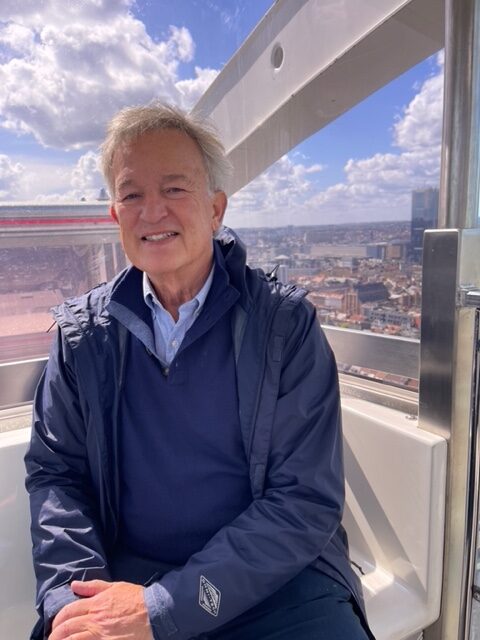
Michael Curran is a retired management consultant with 35 years of consulting and financial industry experience. His areas of focus included board of directors and executive management advisory work, strategic compensation design projects, and regulatory issues related to the interaction between risk and incentive pay. His clients included all the major US, Canadian, European, and Japanese banks and investment banks as well as leading private equity firms and hedge funds.
Upon retirement in 2016, Michael enrolled in and earned a masters degree with honors from the University of Buckingham. His thesis was on the role of Native Americans in the French & Indian War. Subsequently, he wrote a history of the various conflicts between the French, British, and Native tribal groupings as well as an historical novel focused on one of the leading French commanders.
He has held Board positions in several philanthropic organizations including: ABC of New Canaan, Regis HS, St. Joseph’s University, and Cornell University. He is a graduate of Cornell University’s School of Industrial & Labor Relations. A Bronx native, he has lived in Connecticut since 1981 and spends summers on Cape Cod.
Speaker Summary
Mike Curran provided a lively and informative overview of the history of European exploration and settlements in North America and their relationships with Native Americans leading up to the French & Indian Wars and, ultimately, the role this history and experience had on the subsequent Revolutionary War.
He started with an historical timeline of the varied expeditions to North America by many European countries motivated primarily by opportunities for financial benefits related to trading opportunities. An interesting point was that many/most of the explorations were funded and conducted on behalf of nations other than that of the explorer. Mike also showed the numerous Native American tribes and their territories in what was primarily the northeast, mid-west, mid-Atlantic and southern areas of what is now the United States, as well as into Canada. Another interesting fact – most of the tribal names were derogatory terms used by their enemies to describe them, not the names the tribes called themselves.
Mike then went into a detailed discussion of several of the wars that occurred and about the French and British settlers. He talked about what motivated each nation (the French wanted trade while the British also wanted territory), how that influenced their relationships with the Indians (largely allied with the French), and the relative military strengths of each and how the French & Indian War played out as a result. He closed with a discussion of the lessons learned from these wars and how they helped embolden and prepare the U.S. colonies to take on the British during the Revolutionary War, and why the French was an ally to the U.S during that war.
An expansionary Q&A followed that provided additional information and perspectives on key battles and aspects of the Revolutionary War, including an interesting perspective on the strengths and weaknesses of George Washington as a military leader.
 Darien School Safety and Security
 It’s Complicated: The Decision Around Dropping the Atomic Bombs on Japan.