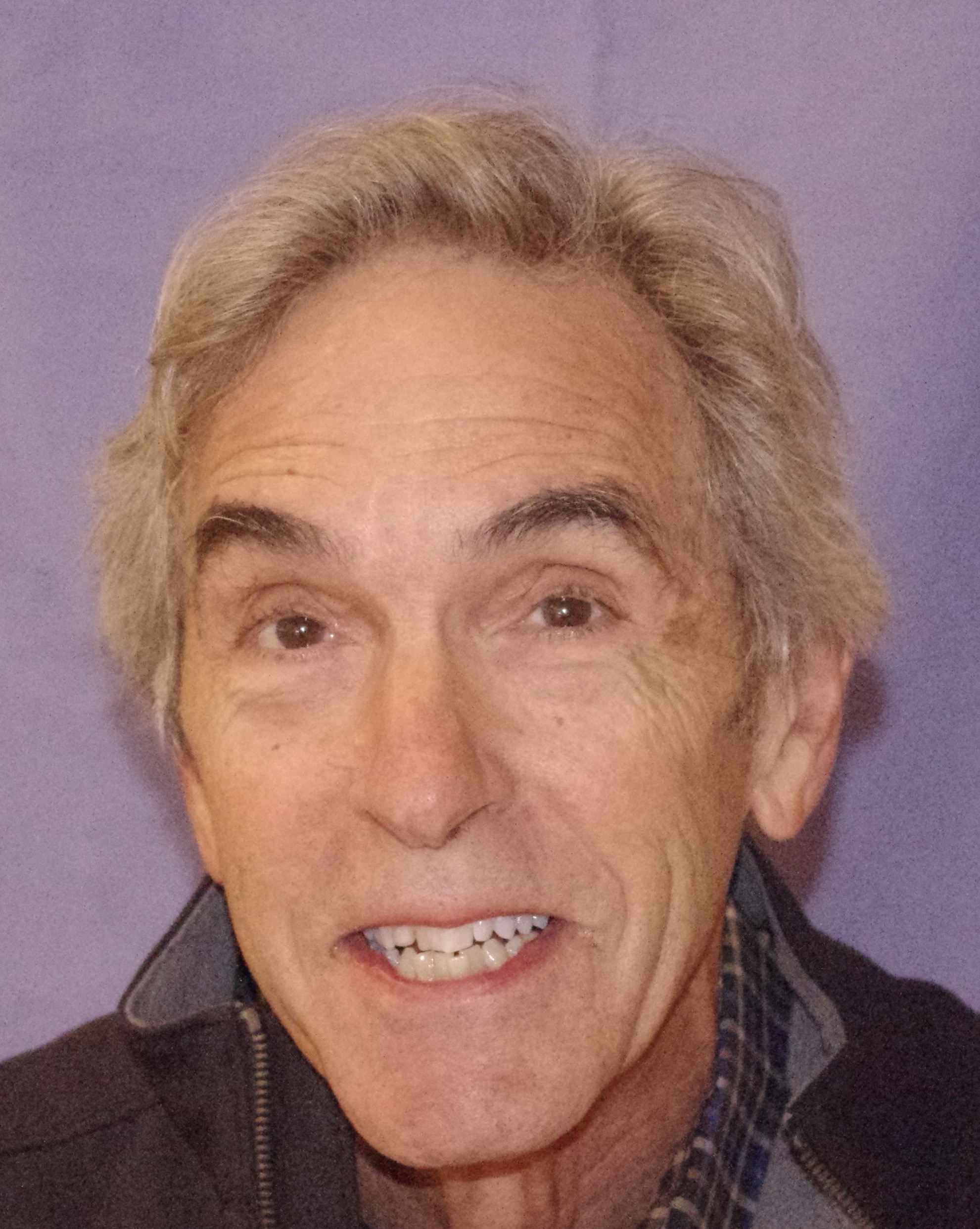
 Walter (Chip) Schroeder was born in Bennington, Vt., in 1948. He grew up in Williamstown, Mass., and graduated from Greylock Regional High School in 1966. He graduated from Massachusetts Institute of Technology (MIT) with an undergraduate degree in 1970 and a master’s degree in 1972. At MIT, he was president of his fraternity and captain of the ski team. Chip has a 40+ year background in energy and energy-related finance. He was principal energy analyst for the Subcommittee on Energy and Power for the U.S. House of Representatives and ran the Office of Regulatory Analysis at the Federal Energy Regulatory Commission. In the early ‘80s, he was president of a major interstate pipeline group in Chicago, later joining Goldman Sachs’ Corporate Finance unit, focusing on regulated energy companies. In 1996, he founded Proton Energy Systems, a hydrogen and fuel cell company and led the company to an initial public offering. He was honored in 2005, being named Entrepreneur of the Year by Connecticut’s venture investing group, Connecticut Innovations, Inc. Chip and his wife Susan live in Darien and have two sons and a granddaughter. He is a member of Wee Burn Country Club and Paradise Valley Country Club. His hobbies include golf, skiing, music and bridge. Sponsored by Spike Reed
Author: Webmaster (Page 71 of 97)
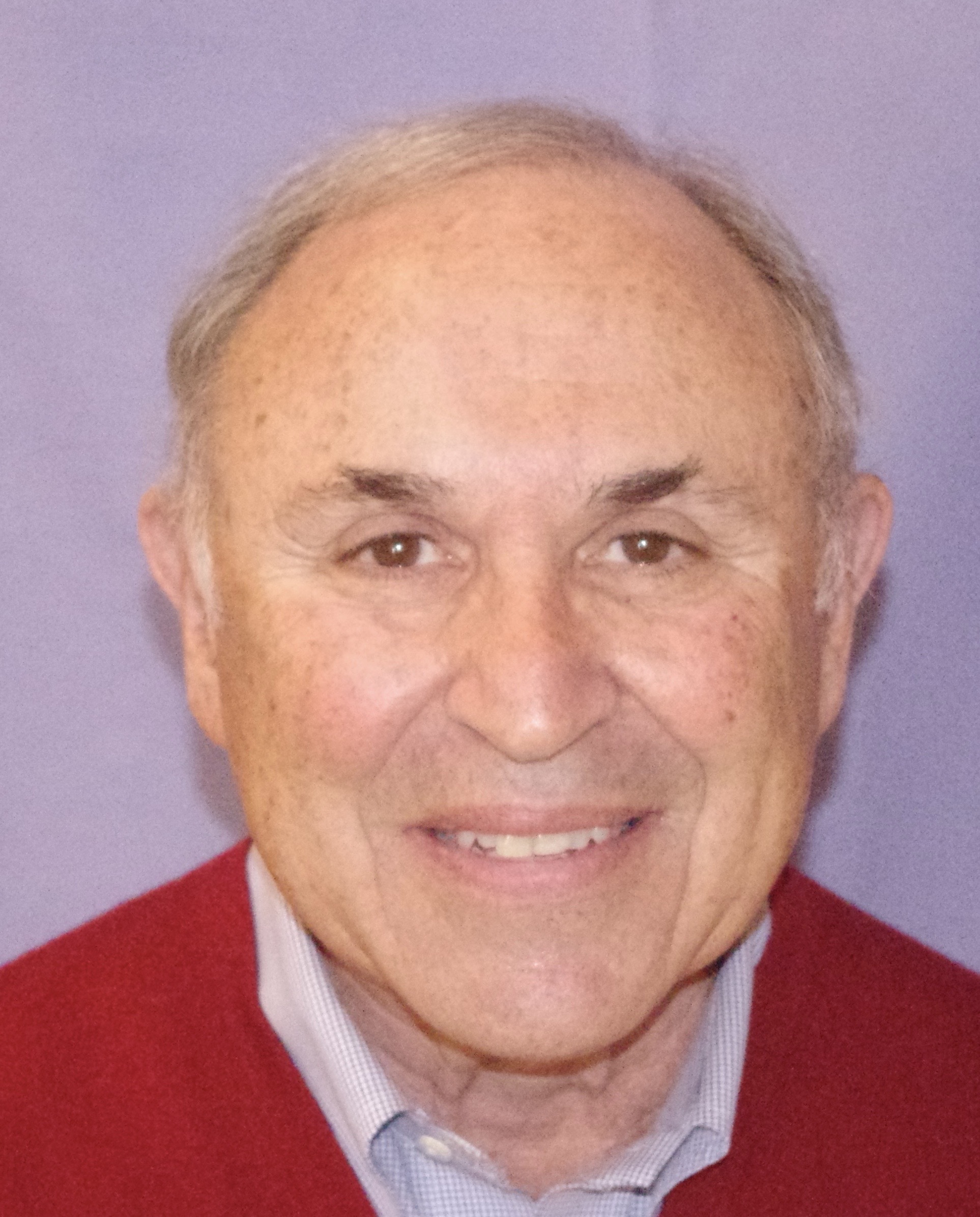 Frank Zaino was born on Long Island, N.Y., in 1944. He grew up in Westbury and graduated from Chaminade High School in 1962, where he was active in intramural sports, cheerleading, prom committee and the yearbook. He graduated from Fairfield University with a B.A. in history. Frank then went on to Georgetown University School of Dentistry and graduated in 1970. After that, he spent two years as a captain in the U.S. Army Dental Corp. In 1972, he set up his own dental practice in Fairfield, where he worked for 44 years before retiring and turning the practice over to his son-in-law. Frank and his wife Dale-Beth live in Fairfield. They have one daughter, three sons and 11 grandchildren. He is active in the Fairfield University Alumni Association and in coaching youth basketball and lacrosse. He belongs to the Bridgeport Dental Association, Connecticut State Dental Association, American Dental Association and International College of Dentistry. He enjoys golf at the Brooklawn Country Club and also history, travel and yard work. Sponsored by Bob Hughes
Happy Wanderers Lower East Side Wandering is on for Tuesday
November 27, 2018
The Wanderers will be exploring the Lower East Side of New York City on
Tuesday, November 27, 2018. Included in this wandering will be libations
at the dive Bar Milano’s, a tour of the Tenement Museum and Lunch at
Katz Delicatessen.Its expected to be a windy and chilly day so be warmly
attired.
Board the 8.36 am train to Grand Central from Darien or the 8.39 am train
from Noroton Heights.Upon arrival at Grand Central, congregate at the
Information booth in the center of its Great Hall.
Contact: Sunil Saksena, 203-561-8601 ssaksena44@gmail.com
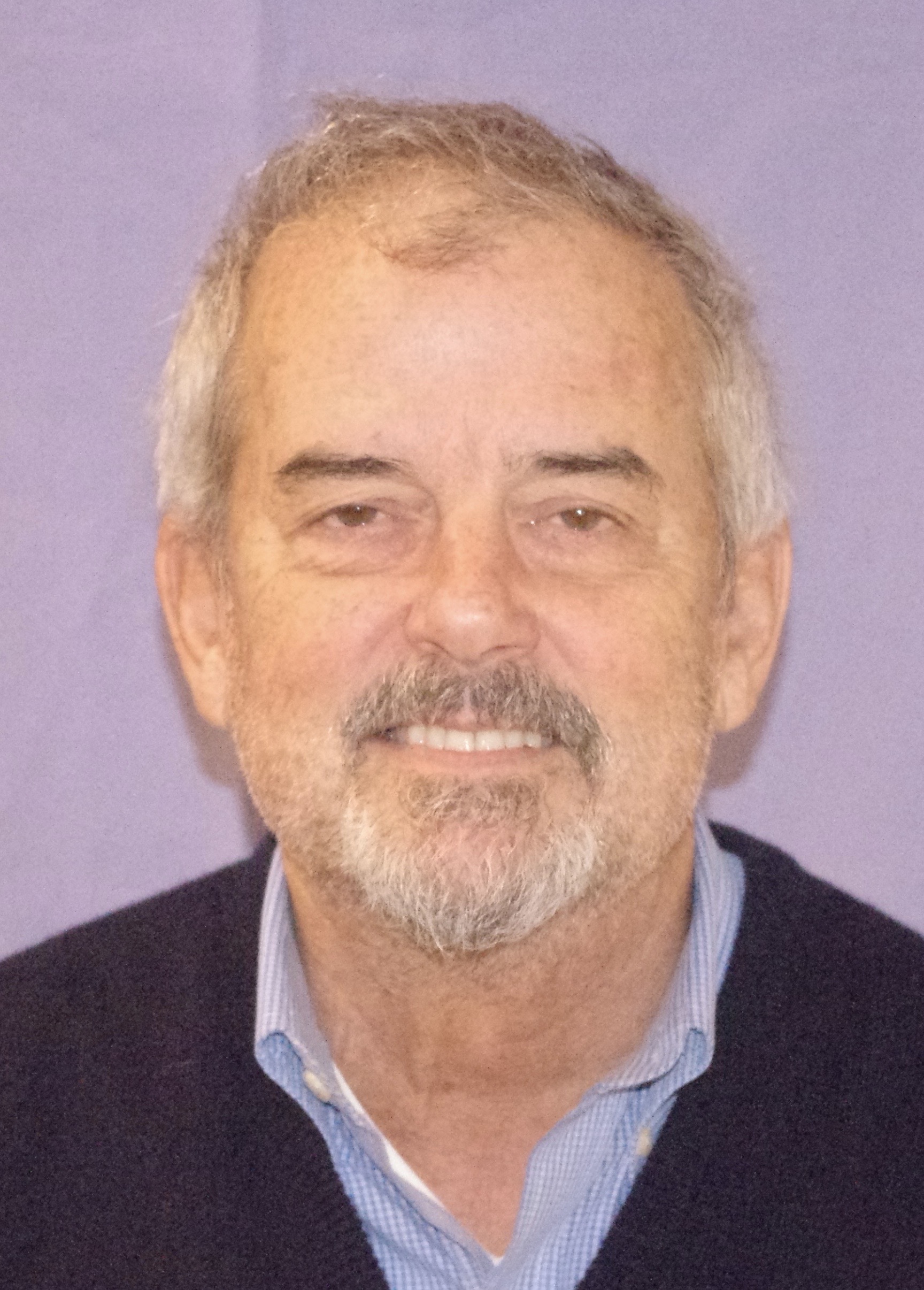 Vinny Arguimbau was born in Darien in 1950 and grew up here and in Seville, Spain. He graduated from Loomis School in 1969 and the University of North Carolina in 1974 with a degree in economics and political science. Upon graduation, he joined the family business, Arguimbau & Co., which is a specialty food importer. He retired in 2013. Vinny and his wife Hilarie live in Darien. He is a member of Wee Burn Country Club. He is interested in local water sports. Due to his time on the water, he has become interested in the health of Darien’s shoreline, which led him to join SoundWaters and Friends of Gorhams Pond. He also attends seminars at Cato Institute in economics, foreign policy and constitutional law. He is active in the quixotic effort by the Libertarian Party to replace the Republican Party in Connecticut. Sponsored by Gary Banks
HIKING MIANUS RIVER PARK, STAMFORD
THURSDAY, November 8, 2018
10.00 am
 Mianus River Park is a 400 acre urban forest which straddles the towns of Stamford and
Greenwich and is owned jointly by them.At this time of the year the park is at its beautiful best.
While the hiking here is not difficult, the trails are strewn with leaves and roots and occasional
rocks, so you need sturdy shoes and a good sense of balance. We will hike approximately 4
miles and, starting at 10am, be done by about 12.30 pm. As usual, participation from spouses,
significant others and friends is welcome.
The hike will be followed by lunch at the Madonia Restaurant at 1297 Long Ridge Road, Stamford.
Directions
We will be meeting at 10 am at the Stamford entrance of the Mianus River Park which is near 68
Merriebrook Lane, Stamford. Do not go to the Greenwich entrance which is on Cognewagh
Road. Best directions can be had by googling 68 Merriebrook Lane, Stamford. There is a
parking lot on th right just across the street from mailbox for 68 Merriebrook.
Contact: Sunil Saksena
ssaksena44@gmail.com
203-561-8601 cell
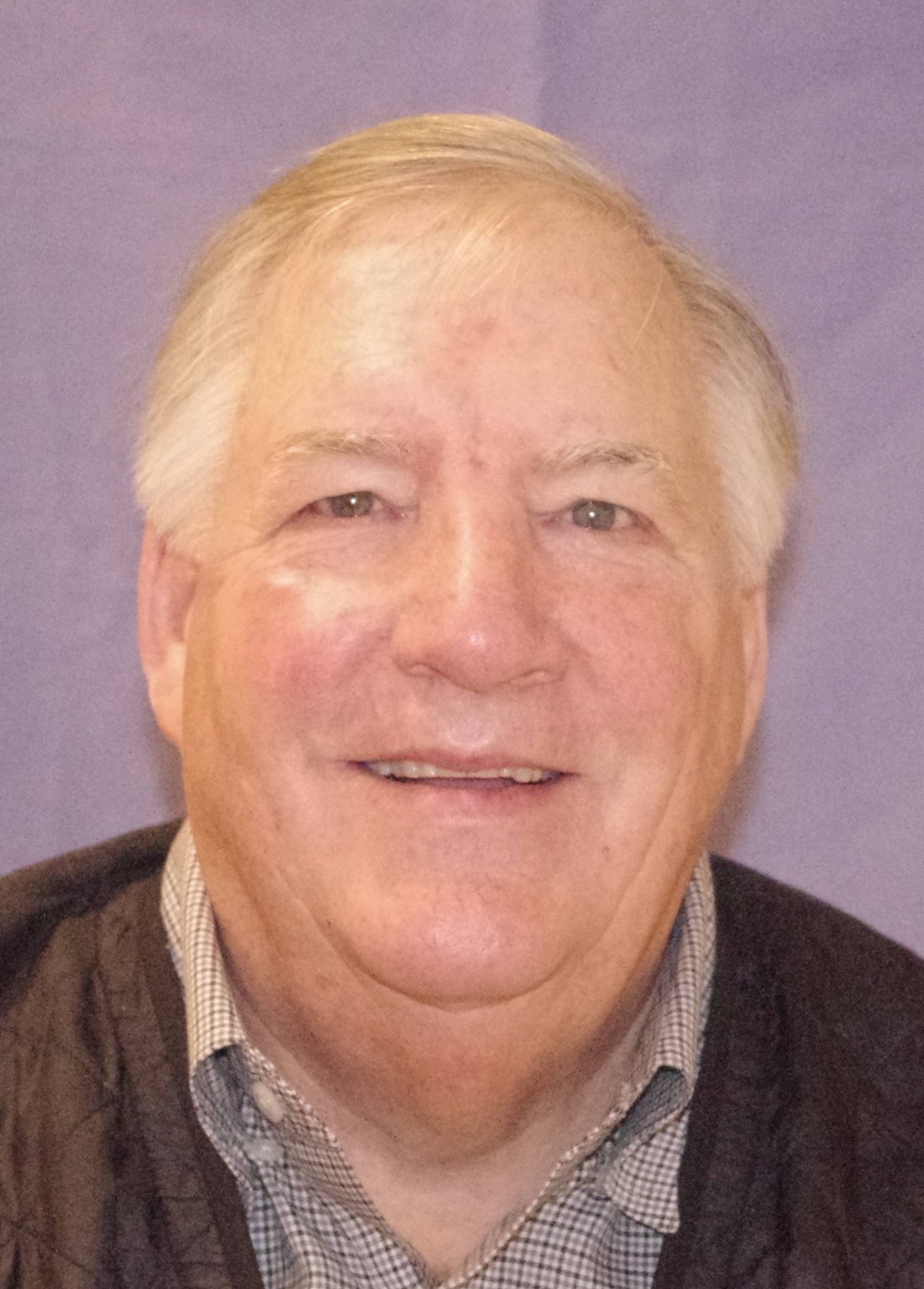 I grew up in Los Angeles, California. I graduated from Notre Dame HS, Sherman Oaks, California in 1961 and from Georgetown University in 1969 with a degree in economics. I received a master’s degree in international management from the Thunderbird School in 1974. I was a securities trader for 34 years starting with Salomon Brothers and continuing with J.P. Morgan and Deutsche Bank. I retired from Deutsche Bank in 2009 as a managing director. My wife, Margo – an EMT with Post 53 for over 30 years – and I have been married for 45 years and have lived in Darien – in the same house – for 38 years. Additionally we have lived and worked in Charlottesville, Phoenix, New York, Cleveland and London. We have four adult children and three grandsons. I am a USA Hockey Level III ice hockey referee (before you ask,” Yes, like the wind”), an avid fisherman, a dedicated vegetable gardener and an amateur furniture maker. I went to high school with Admiral Mike Mullen, Retired Chairman of the Joint Chiefs and to college with President Bill Clinton. They may have better biographies than I, but they aren’t in the DMA !
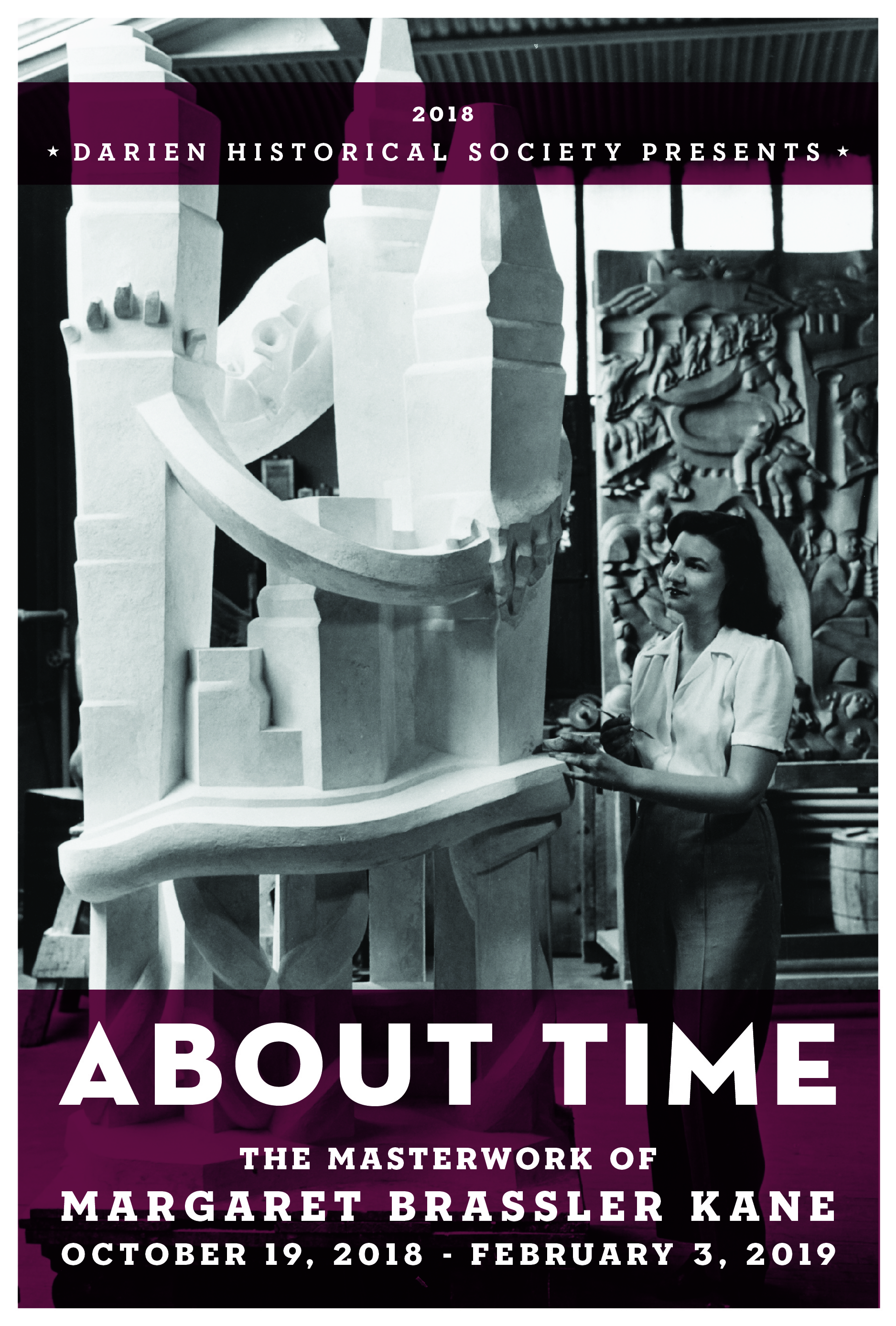
Complimentary Curator Tour of the Society’s latest exhibit, “About Time: The Masterwork of Margaret Brassler Kane (1909-2006),” With Jay Kane, the artist’s son, and Maggie McIntire, DHS director, presenting.
DMA members can attend free, with a guest. They can sign up at our meeting this week or at the meeting on the morning of the Tour: November 7. Any questions, call me. The Darien Historical Society is located at 45 Old Kings Highway North, in Darien.
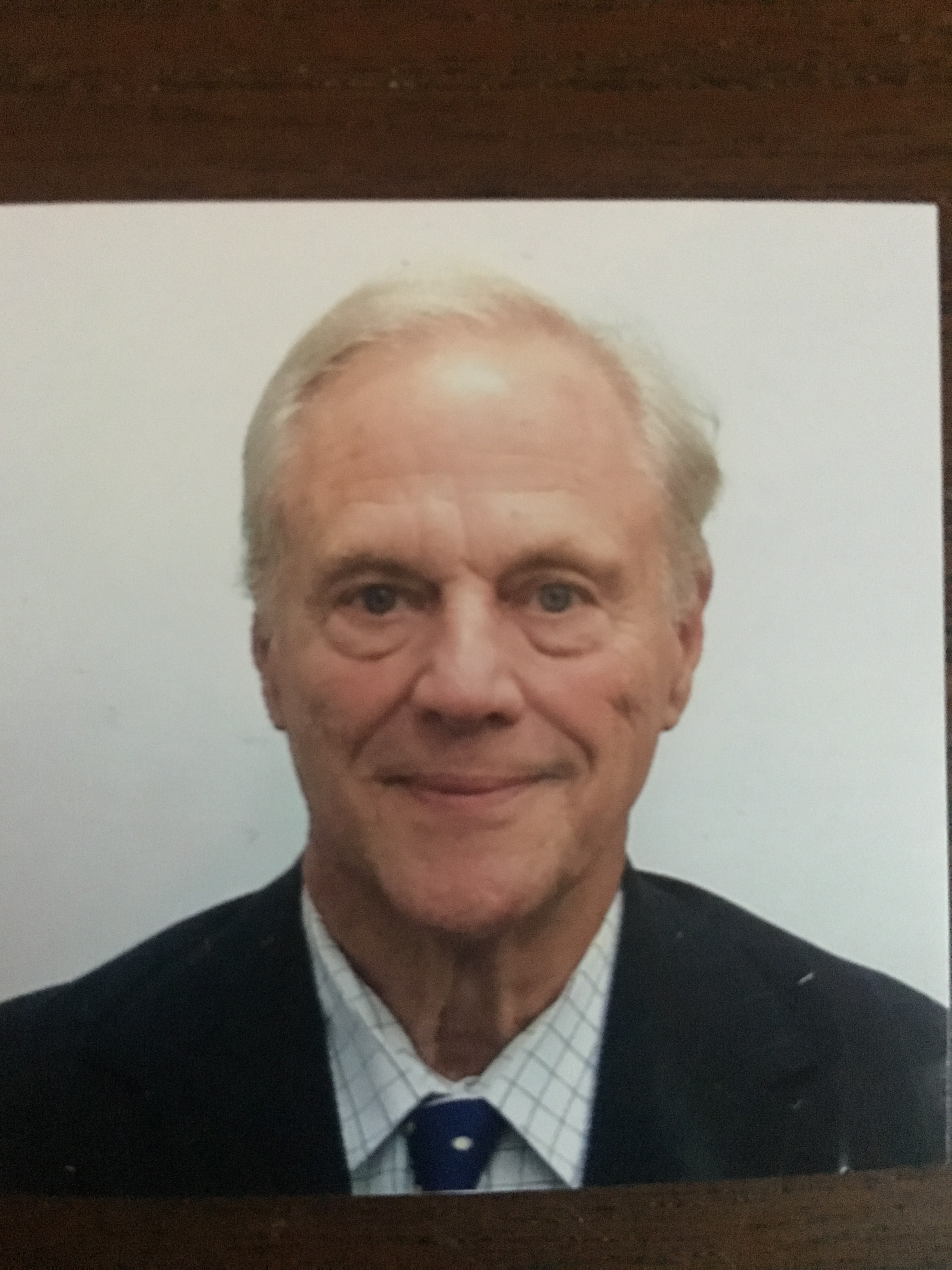 Frank Sparks, M.D., will speak on “How the Great Pyramid Was Really Built (It’s Not Like You Think).” His talk will debunk the popularly held belief promoted by egyptologists that the Great Pyramid was made from perfectly quarried 2.5-ton limestone blocks that were then lifted to the top of the pyramid and became the tallest building in the world upon its completion 4,800 years ago. In the past 30 years, electron microscopy has shown that the pyramid “stones” are manmade blocks of limestone in the form of a polymer that contain chemicals not found in any of the limestone in the world. What actually happened was that the Nile-flooded limestone was easily raked apart; it was carried up to the pyramid in baskets where chemicals were added; and the contents were dumped into molds that then set within 24 hours. Professor Hobbs of MIT says this has been repeated worldwide, making this approach a fact, not a theory. Dr. Sparks is a resident of New Canaan, where he lives in retirement with his wife Michelle. They have six daughters and 10 grandchildren. He received a B.S. and M.D. from Northwestern University and an M.B.A. in finance from the University of Connecticut. He was a surgeon at the National Cancer Institute and also at NYU, UCLA and UConn, where he was both a surgeon and professor and chairman of the Department of Surgery. He has authored 79 peer-reviewed papers and more than 100 abstracts and has received $1.6 million in research grants. His background in chemistry and physics led to his interest in how the Great Pyramid was built.
Arranged by Sunil Saksena
Video of talk: https://www.youtube.com/watch?v=ocp4P9wFNi8
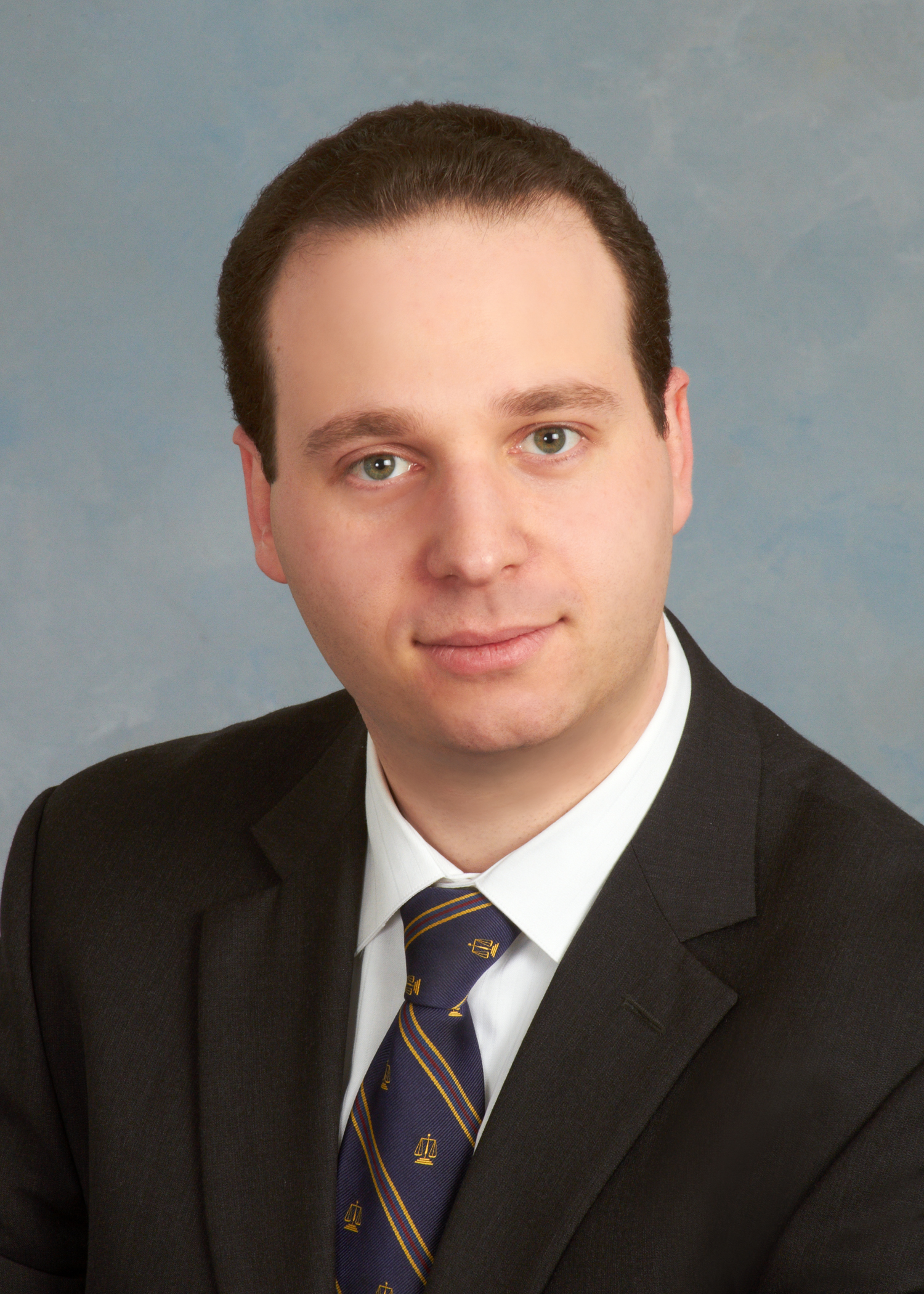 Aleksandr Troyb will discuss the commonly held myths regarding immigration rules as they exist today. His talk will draw on his experience as a practicing immigration attorney advising individuals, as well as corporations, with their immigration issues. He also will discuss aspects of the “Gang of 8”immigration bill, which passed the Senate on a bipartisan basis a few years ago but never was taken up by the House, as well as the outlines of the immigration proposals being discussed by the Trump administration. Alex is an attorney practicing with the law firm of Benjamin, Gold & Troyb, P.C. in Stamford, where he advises clients on various aspects of immigration law and regulations. He is licensed to practice in Connecticut and New York courts, as well as the Federal District Court for the District of Connecticut. Alex serves as a committee co-chair of the Connecticut Chapter of the American Immigration Lawyers Association, where he previously served as the chapter chair and member of the National Board of Governors. In addition, Alex serves as treasurer on the Executive Committee of the Fairfield County Bar Association, where he also serves as a committee co-chair.
Arranged by Sunil Saksena
Speaker video: https://www.youtube.com/watch?v=UcP51roJwHg
 David McKillop will talk about “Ten Pillars of Programming.” It’s a personal look as to how nonfiction TV shows, such as reality series and documentaries, are developed inside a network. It includes insights into how to develop, nurture and grow creative teams within a traditional corporate environment. David is a seasoned American producer who has developed and delivered popular cable hits on three networks: A&E, History and Discovery. David most recently served as chief creative officer and partner of Propagate, a multiplatform production company funded by A&E Network. Prior to this, he was general manager of A&E Network, where he was instrumental in the development and production of the Oscar-nominated and Emmy-winning feature documentary “Cartel Land,” cable’s most-watched nonfiction series of all time “Duck Dynasty” and the record-breaking hit series “Storage Wars.” Earlier in his career, he was vice president of production for Discovery Channel and then senior vice president at the History channel. His credits include the Emmy award-winning documentaries “Gettysburg” and “102 Minutes that Changed America.”
Arranged by Sunil Saksena
Speaker video: https://www.youtube.com/watch?v=HPnuSWrC_8A
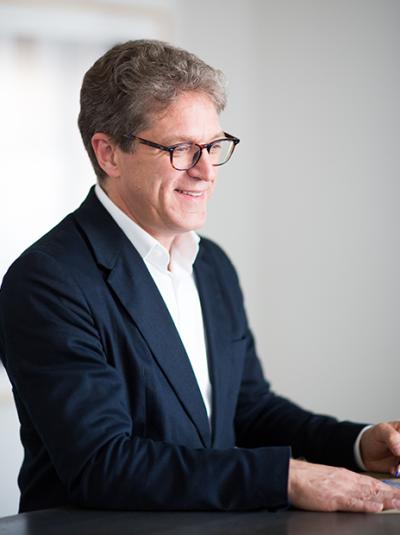 James von Klemperer will focus on architectural design and other factors associated with the creation and construction of super tall buildings, including the 435-meter skyscraper currently being erected at One Vanderbilt Place next door to Grand Central Station. James serves as the president and design principal of Kohn Pedersen Fox Associates, PC. He has been responsible for the design of major commissions throughout North America, Europe and Asia. James has lectured at Harvard University, Columbia University, Miami University, Smith College and Ecole Speciale d’Architecture in Paris, as well as at congresses in Jakarta, Seoul and Mexico. He served on the Zoning Board of Appeals in Darien from 1996 to 2003. He is an active member of ULI, as well as the Institute for Urban Design. His work abroad includes the U.S. ambassador’s residence in Nicosia; Dongbu Financial Center, winner of an Honor Award from the AIA New York City Chapter; and 30 Hill Street in Singapore on the site of the former U.S. embassy. James is working on New Songdo City, a 1,500-acre free trade zone in Korea. His work in the United States includes the Daniel Patrick Moynihan U.S. Courthouse in New York City, which was the recipient of the 1996 General Services Administration Design Award; the Institute for International Economics in Washington, D.C., winner of an Honor Award from the Washington, D.C., Chapter of the AIA; 640 Fifth Avenue, winner of a New York construction newsletter: “Best of 2004 Renovation Award of Merit”; and the award-winning Mohegan Sun Resort hotel, casino and arena in northern Connecticut. James received a B.A. from Harvard University, a master of architecture from Trinity College, Cambridge and a master of architecture from Princeton University.
Arranged by Tom Haack
Speaker video: https://www.youtube.com/watch?v=hFMsFNBkDZ4
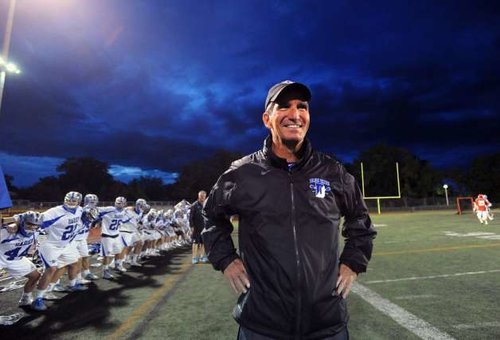 Jeff Brameier’s talk is entitled “The Importance of Athletics in High School.” Athletics have been a mainstay of the high school scene for decades. Today, the field has vastly expanded, giving an ever greater variety of competitive options to both male and female students. While students get involved in high school athletics for the sheer love of the game, there are significant benefits from these extracurricular activities. The discussion will focus on the experiences Jeff has drawn on from his 40+ years of coaching at Darien High School. He was raised in Darien. He heads into his 36th season at the helm of Darien High School boys lacrosse program, where he has guided his teams to a win-loss record of 594-133 (.818), winning 17 FCIAC League Championships, 13 State Championships, including six in a row from 2005-2010. His team was ranked #1 public school in the country in 2014 and 2017. He has coached 91 high school All-Americans, 175 High School All-State players, 14 Connecticut Players of the Year and has been named Connecticut Lacrosse Coach of the Year five times. He was National Coach of the Year in 2014 and was inducted into the Connecticut Lacrosse Hall of Fame in 2011. He has been president of the Connecticut High School Lacrosse Coaches Association for the last 31 years. In the past, he also has coached the Darien High School football and swim teams.
Arranged by Sunil Saksena
Speaker video: https://www.youtube.com/watch?v=m5enNSJfK6Q