
Category: Speaker Announcements (Page 7 of 29)

Speaker programs at Wednesday DMA Meetings

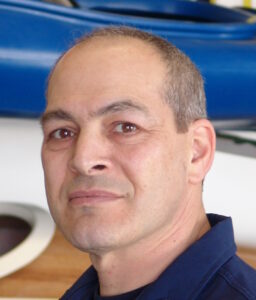
Cliff van Voorhees and Celia Sosa, “Charter Schools”, April 17, 2024 at 10:00

Understanding Charter Schools

DMA member Cliff van Voorhees and LION Charter School CEO Celia Sosa will help us understand Charter Schools, in general, and the how it works at LION, as a specific example. They’ll address general questions like:  do they suck money from public schools; why do unions oppose them; how are they different from district public schools; are they effective; and, should they be encouraged. Then they’ll discuss specific challenges and conflicts faced by LION including: conflicts with other public schools with which they shared a building; teacher and student recruitment; college readiness and applications; impact on the local community; and alumni experience in college. And they’ll answer questions about anything else you might like to ask!


The relevant parts of Cliff van Voorhees’ bio start when he was a student at Columbia Business School. At that time, he became a Big Brother to a 12-year-old boy from Harlem and spent many hours with him over a three-year period. After graduating from Columbia, Cliff went to work for the Interracial Council for Business Opportunity in the Teresa Towers on 125th Street and Seventh Avenue, where he helped minority entrepreneurs raise financing for their businesses. When doing that work, he concluded that what was needed most in the community was better schools. Fast forward through 25 years in international banking with stints in Nigeria and England and four years with Instinet Fixed Income, an electronic broker, he found the opportunity to actually do something to address the lack of educational opportunity in the inner cities of New York. On a fulltime basis, he headed up a team of part time contributors to prepare an 800 page application for a charter to run a public school in the South Bronx. After that 2 year application process, a charter was awarded and Cliff became the school’s COO, tending to facilities, transportation, HR, accounting and finance, fund raising and many other aspects of the school. He retired from Hyde Leadership Charter School after serving in the school for about 6 years.


Celia Sosa serves as the Chief Executive Officer at Leaders In Our Neighborhood (LION) Charter School. She began her work at LION in 2007 as a history teacher, which was followed by 12 years of service as the High School Director. She participated in the Charter Center’s Principal Support Network and was awarded an Emerging Leader Fellowship in 2009. During her time at LION, she has been involved in developing curriculum, chairing the social studies department, and many extracurricular activities. Some of these activities included developing and organizing the Dynamics of Difference Committee, student interview panels, wilderness trips, and coaching the school’s track team.

Before joining LION, Celia worked as a teacher at The Lorge School and The Urban Assembly School of Business for Young Women. At each organization, she took on leadership roles becoming a Director of School Culture and Dean of Students. Additionally, while at Binghamton University, Celia was a co-founder of the local chapter of INCITE! Women of Color Against Violence. She earned a Bachelor of Arts and a Master of Arts in Philosophy from Binghamton University and was awarded the Clifford D. Clark Fellowship for work on her master’s degree. She received a second master’s degree in education with a concentration in adolescent social studies from Pace University. Celia was a 2005 Teach For America corps member.

Speaker Summary

Cliff and Celia made an enlightening presentation on charter schools, in general, and told the story of the creation and success of the LION school as a powerful proof point of the difference an effective charter school can make for its students and school community.

Cliff opened by explaining what charter schools are and how they get established through the state application process. He answered some basic questions regarding their role in public education, impact on public school funding, differences versus other public schools, why there is resistance to them among teacher unions, and their effectiveness. He explained that charter schools are established by state laws that vary by state — they aren’t even allowed in some states. The primary reason for their existence  is to provide public school choice since, contrary to many peoples’ understandings, charter schools are public schools; on the other hand, school voucher programs are about helping pay for private schools. In this context, charter schools do not drain resources from other public schools, they just provide an alternative. And, since these schools must outperform other public schools to keep their charters, they not only improve the education of their students, but they also force other public schools in the area to “raise their game” to compete with the charter schools for students. To this end, Cliff explained that there are many measurements other than test scores that can be used to evaluate whether charter schools are effective at meeting their educational goals, but using standardized tests as a proof-point, New York City charter schools substantially outperform all other NYC schools and the NY state average on these tests.

Cliff spent some time talking about why teachers’ unions oppose charter schools, and, ultimately, why politics and the strength of teacher unions serve to limit the number of charter schools allowed by a state. He discussed some of the benefits charter schools enjoy such as greater freedom to experiment with different teaching and curriculum approaches and generally greater educational and operational autonomy, while working within the approved charter.

Celia then spoke passionately about LION, which is now the largest charter school in NYC and how, despite its location in the Hunts Point section of the South Bronx that was the country’s poorest school district when LION was established, their students thrive and consistently outperform other low-income public schools and public schools, in general. They produce high school graduation rates in excess of 90%, 3 times the bachelor’s degree rates for their graduates versus the national average for low income-based schools, and an 80% graduation rate for students with disabilities. Celia noted that their student population is among the most economically disadvantaged and reflects the overall school population in terms of students with disabilities, multi-lingual households and other measures that might encumber LION’s success rates, but they haven’t.

Celia discussed the broad LION mission of building students of character and the role of family programs, teacher development and alumni support. She discussed how the focus is on creating well-rounded students with a curricula and school experience that includes the arts, sports, academics and service. In discussing alumni support, Celia noted the College Persistence Fund that was founded/strongly supported by former DMA member Wilder Baker to provide on-going support for LION graduates throughout their college careers. She closed by sharing some stories written by graduating seniors that talked to the role LION had had on their lives and some videos of LION graduates who have moved on to successful college experiences. Throughout her comments, Celia made powerful points about how a supportive yet high-expectation and accountability environment that includes the entire school community (students, teachers, family) enables LION’s success despite the challenges of being in a community where crime, drugs and gang wars are commonplace and easy barriers to positive results.

In an emotional closing, Cliff thanked those who helped and supported his efforts to gain approval to create and build LION into what it is today and announced his goal of creating an endowment for the school to further its mission as part of his go-forward work for the school.
Video Presentation

Art Gottlieb, “Understanding and Living with Dementia”, April 10, 2024 at 10:00

Understanding and Living with Dementia

Through improved lifestyles, diet and medical treatment people are living longer than generations past. It is not uncommon for families to contain a member who has been diagnosed with some form of dementia. This talk will cover the major types of this illness and provide strategies for managing dementia and its implications when it impacts your family.


Art Gottlieb received his undergraduate degree in Psychology in 1987 from the State University of New York at Purchase and his Master of Social Work in 1991 from Hunter College in Manhattan. Maintaining licenses as a  Master Social Worker in New York and a Clinical Social Worker in Connecticut, Mr. Gottlieb has additionally earned the credential of Certified Senior Advisor (CSA). A frequent guest speaker at colleges, senior centers and independent living communities throughout Fairfield County, he maintains a private practice of psychotherapy and intergenerational counseling in Milford Connecticut.


Speaker Summary

Employing a storytelling/case study approach based on his own personal and professional experiences as a clinical psychotherapist, Art took us through an educational session on the causes, challenges, and management approaches for dealing with people with dementia. His engaging, personable, and often humorous style helped make a sensitive and potentially uncomfortable topic easier to hear about without undermining the seriousness of it.

Art explained how his work evolved from discovering a niche in local psychotherapy practices and then filling the gap working with seniors and their families and, especially, the needs of men. He reinforced what we have heard before from other speakers: that the less well-developed social networks of men make them especially susceptible to loneliness and fewer social interactions which can exacerbate illnesses like dementia.

Art talked about a “typical” patient situation and the family dynamics that often ensue including tension among children, decisions and reactions to each other and their parent’s condition/needs, and how feelings of guilt (“I need to take care of mom”) can heighten problems rather than help them. He emphasized the notion that doing the right thing for them might mean finding others to provide the help they need including an example of his own mother (who does not have dementia) who needs certain types of help that is better provided by someone other than him despite his knowledge and love for her.

A few key points Art touched on for consideration were: ensuring the patient’s dignity/not talking about them in front of them; “incurable loneliness” as the most common complaint of the elderly; and, the frustration of families looking for the “cure” for something that is incurable. Art drew an interesting analogy about life and aging to ascending and then descending a hill (in this case, “the hill of life”) and the psychological and physiological implications of that.

Art spent some time discussing the two types of dementia and some of the “causes”/precursors to them. The first type is caused by vascular damage, largely strokes (either a single large stroke or a series of smaller ones). He explained how the blockages from the stroke impact the brain, drawing analogies to cardiovascular/coronary heart disease, which is also a risk factor for this type of dementia. The second type involves degenerative brain diseases, of which Alzheimer’s is most common.  These diseases are caused by the breakdown in protective fats in the brain that insulate and protect key brain components. For this type, he mentioned some of the negative contributing factors like diet. But he made a major point to mention that genetics/hereditary is one of the largest factors and nothing can be done about that other than to be aware of your risks, do the things that are best to mitigate/minimize the impact of other contributing factors, and undertake lifestyle activities that work against this disease. To this end, he talked about the importance of physical and mental activity and getting out of the house to do things to help keep the brain active and people socially engaged. He emphasized that the programs he has developed for seniors and facilities he works with focus heavily on doing this.

Finally, Art explained the process and distinction between short- and long-term memory and how/why it manifests itself in people with dementia, sharing an easily relatable example of telling someone with dementia the same thing 10 times and not understanding why they don’t remember it. They lack the mechanism to transfer the information into long-term memory. Yet they remember things that were transferred years ago when this mechanism was still functioning.

An indication of how Art’s talk resonated with the audience was the number of people who came up to the stage to take one of his business cards during and after the Q&A session.

Video Presentation 

Steve Kemper, “Our Man in Tokyo: An American Ambassador and the Countdown to Pearl Harbor”, April 3, 2024 at 10:00

The Ambassador Who Tried to Prevent the Attack on Pearl Harbor In 1931, the Japanese army occupied Manchuria. The following year, Japanese naval officers assassinated the prime minister. Conspiracies flourished and anti-West propaganda campaigns swept Japan. Into this maelstrom stepped Joseph C. Grew, America’s most experienced and talented diplomat. For the next decade, right up to the bombing of Pearl Harbor, Ambassador Grew warned American leaders about the risks posed by Japan’s raging nationalism and militarism, as he also attempted to influence Tokyo’s increasingly erratic and volatile foreign policy. The events that unfolded during Grew’s tenure proved to be pivotal for Japan and for the world.


Freelance journalist Steve Kemper has written four books and many articles for national magazines. His most recent book is Our Man in Tokyo: an American Ambassador and the Countdown to Pearl Harbor (Mariner, 2022), a behind-the-scenes account of the personalities and contending forces in Tokyo during the volatile decade that led to World War II. It recently won the Dillon Book Award from the American Academy of Diplomacy.

Steve grew up in Louisville, Kentucky. After graduating from the University of Detroit, he taught literature and writing at the University of Connecticut while earning a Ph.D. He has taught writing and journalism as an adjunct professor at CUNY Graduate School of Journalism and at Fairfield University. Kemper lives in West Hartford.

Speaker suggested by Charles Salmans and Gary Banks and arranged with the help of Gary Banks.


Speaker Summary

Steve spoke about his book and provided an enlightening view of the activities leading up to the invasion of Pearl Harbor by Japan, a perspective that most people have a limited understanding of, especially relative to our knowledge of the build-up to the war in Europe. His focus was on the role and perspectives of Joseph Grew, the Ambassador to Japan from 1931-1941, with Kemper relying heavily on the personal diaries of Grew to provide an insider’s look into the activities of the time.

Steve started with a brief history of Grew and his service as a career diplomat, serving in 14 posts and being appointed by President Hoover as Ambassador to Japan in 1931 in an effort to stabilize and bring greater harmony to the relationship between the U.S. and Japan. Kemper provided a look into the turmoil in Japan that resulted from a complex and often discordant relationship between the military and political leadership and Japan’s move to a Parliamentary Democracy juxtaposed against an historical leadership approach by the ruling family of the emperor. As a result, Grew dealt with 17 leadership changes in Japan during his tenure there. This was further compounded by the rapid revolution of the Japanese culture as it emerged from a philosophy of closed secrecy to becoming a world power in just 60 years. Japan embraced many aspects of a more open/progressive Western culture which created tension and clashed with the more conservative/traditional view of Japanese culture and values.  This ultimately overflowed into debate, violence and resistance fueled my media that misrepresented the role of the West and the U.S. in fomenting these changes.

While Grew focused on bringing the U.S. and Japan closer together, the rise of political extremism (and distrust among leading power players in the U.S State Department), ultimately undermined his efforts and the hope for peace between the nations. This was exacerbated by Japan’s activities against the civilians and cities in China as well as U.S. resources, forces, property and people in the area during and after the Sino-Japanese War. In fact, Grew counted over 300 instances of “unintentional” acts against the U.S. in the area during the late 1930’s.

Following a brief furlough, Grew returned to Japan in late 1939 just as Nazi Germany began its assault on Europe.  The success of Germany emboldened Japan and their view of their imperial right to control Asia, undermining the U.S. attempts at slowing/managing Japan’s efforts at expansion. Then, in 1941, efforts led by Grew and his Japanese counterpart to reach a peaceful approach to moving forward was thwarted by Secretary of State Hull’s distrust of Japan, leading to Japan moving forward with their alternative plan – an assault on the U.S. Pacific fleet in Pearl Harbor.

Kemper closed with the story of the delayed communication from FDR to Japanese leadership on December 6 that might have stopped the attack the next morning and how Grew was then held as a POW in Japan for 6 months. During this time, he wrote a report regarding what happened and what could have been done differently to avoid this tragedy. The report was rejected (and largely destroyed) when presented by Grew to Hull. Kemper characterized this report as Grew’s answer to the question “what if….”. We’ll never know the answer, but it was Kemper’s perspective that nothing was likely to deter Japan’s actions based on their view of their imperialistic right to control Asia and their willingness to pay whatever price it required.


Illeana Douglas, “Connecticut in the Movies”, Mar 27, 2024 at 10:00

Connecticut in the Movies, a Discussion with the Author About Her Book and Perspectives

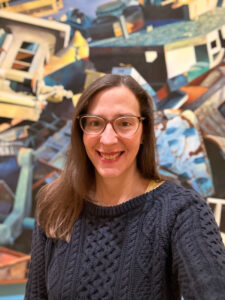
Illeana Douglas has long been known for shining new light on forgotten films. Now the celebrated actress and film historian turns her focus to the Connecticut movie in her book, Connecticut in the Movies. Told from the passionate perspective of an author who grew up here, the book takes the reader on a cinematic road trip through Hollywood history and Connecticut geography. She defines how the perception of on-screen Connecticut, originally created in Hollywood, has shifted more than that of any other New England state over the decades and provides some surprising conclusions about just what it means to be a “Connecticut movie.”

Ms. Douglas will be interviewed by Peter Gistelinck, Executive Director of the Avon Theatre – Deborah & Chuck Royce Cinema Arts Center in Stamford, CT. Together they’ll tell her story and delve into her thoughts and insights on Connecticut in the movies.

Illeana Douglas has starred in films such as Cape Fear, To Die For, Grace of My Heart, and Ghost World, as well as in the TV shows Goliath, Shrill, Entourage, and Six Feet Under. She is the author of I Blame Dennis Hopper: And Other Stories from a Life Lived In and Out of the Movies. A regular contributor to Trailers From Hell, she’s done memorable film interviews and introductions for Turner Classic Movies, for Criterion Channel, and on her podcast The Film Scene.


Peter Gistelinck is the Executive Director of the Avon Theatre – Deborah & Chuck Royce Cinema Arts Center in Stamford, CT. Prior to joining the Avon, he served as the Executive Director of the Wharton Institute for the Performing Arts (2019-2023), President & CEO of the Kalamazoo Symphony Orchestra (2014-2019) and Executive Director of The Chamber Orchestra of Philadelphia (2006-2014). Prior to immigrating to the USA in 2006, Mr. Gistelinck was Director of Sales and Marketing and Co-Artistic Director for the Brussels Philharmonic Orchestra in Belgium and General Manager of Business Affairs for Le Concert Spirituel in Paris, France.

He is a graduate of the State University of Ghent, Belgium with a MA in Musicology and a BA in History of Arts. Prior to earning his degrees, he graduated from the Royal Music Conservatory of Ghent. Mr. Gistelinck also holds the Executive Certificate in Leadershipfrom the Jack Welch Management Institute at Strayer University and the Business of Change Certificate from Columbia Business School at Columbia University.

Mr. Gistelinck is an accomplished producer, composer and orchestrator. He currently serves as a member of the: National Academy of Recording Arts and Sciences, Santa Monica, CA; International Academy of Jazz @ University of Pittsburgh, PA; International Society for the Performing Arts, New York, NY; American Film Institute, Los Angeles, CA; and the Alliance Française of Westchester, NY. He is also a Founding Board Member of the Marvin Hamlisch International Music Awards in addition to his affiliations with several music publishing and author rights organizations.


Speaker Summary

In front of a large group, including many guests, Peter and Illeana discussed the history of Connecticut in the Movies through the lens of her book of the same name which she wrote to take the reader on a “cinematic road trip through Connecticut”. She started by showing a lengthy trailer that highlighted the many films shot in the state including what she acknowledged was a bit of a cheat by including “It’s A Wonderful Life”, which wasn’t shot here but the bell that was rung “every time an angel gets his wings” was manufactured in the state.

Illeana noted that her goal with the book was to help create a more specific film identity for the state that reflected the true – and total – sense of Connecticut which she feels has not been well-defined despite the number of movies filmed here. She took us through a brief filmic history, starting with silent films and then moving towards movies where Connecticut was depicted as “the countryside” with rich patrons with country homes. She explained how the state was largely shown as “the place you went to when you left the city”, living in towns and homes that reflected the fruits of striving for success and often defined by “the white colonial with the picket fence”. This was best defined by the very commercial and light-hearted “Mr. Blanding Builds His Dream House” and evolved in the 50’s to deeper, darker movies about what really went on in these towns and homes as part of this striving for success (referencing “Gentleman’s Agreement” and its Darien locale as a specific example). And then darker yet in the 70’s with films like “The Ice Storm” (shot in New Canaan).

Illeana explained how she wanted to show that Connecticut has more dimensions than these wealthy, bedroom communities/suburbs with their hidden stories. In this context, she referenced movies shot in very different locations like Waterbury to demonstrate her goal of telling a broader story and creating a more diverse image than the one she encountered about Connecticut in Hollywood where she/people from Connecticut were often characterized by people she met as “Aryans from Darien”.

She also talked about the enclaves of actors, writers and others in the industry that developed in towns like Weston, Westport and New Milford. And, in the Q&A, she commented on many of the people who helped support the industry in the state and these towns like Paul Newman and Joanne Woodward. And, of course, the role of Katherine Hepburn in helping create the image of the quintessentially Connecticut women.

Video Presentation

Video: Connecticut in the movies 

Erin Harlow-Parker, “Suicide Awareness and Prevention”, Mar 13, 2024 at 10:00

Suicide Awareness and Prevention Strategies

Suicide is a leading cause of death, especially among older men, and it is preventable. Understanding the role stigma plays in accessing help, identifying risk factors, warning signs, and knowing how to talk about suicide are important concepts in prevention and awareness efforts. This presentation will equip the audience with the knowledge and confidence of suicide prevention strategies.


Erin Harlow-Parker, APRN (Advanced Practice Nurse), PMHCNS-BC (Psychiatric Mental Health Nurse Practitioner – Board Certified), has worked in the field of psychiatry for more than 35 years. She received her BSN (Bachelor of Science in Nursing) from Rhode Island College and her MSN (Master of Science in Nursing) from Northeastern University in Boston, Massachusetts. Her practice areas have included inpatient, outpatient, consult psychiatry and behavioral and mental health illness prevention work. Her passions include suicide prevention, treating patients with eating disorders, and reducing mental health stigma. Erin has done countless presentations on suicide prevention, building resilience, and eating disorders to a wide variety of audiences.

In January of 2022, Erin’s husband of 32 years, and prominent Atlanta businessperson, died by suicide. Since then, she has made it her mission to change the narrative on suicide. Erin’s speaking engagements focus on suicide awareness and prevention, with the purpose of educating, decreasing stigma, and increasing help-seeking behavior.

Currently, Erin serves as the Manager of Child Advocacy Programs, Behavioral Mental Health, at Children’s Healthcare of Atlanta and is actively involved in suicide prevention efforts at the state level. In 2018, Erin was awarded the Institute for Healthcare Improvement/National Patient Safety Daisy Award for Extraordinary Nurses.


Speaker Summary

Erin provided an informative and powerful discussion of suicide, with a focus on suicide prevention, based on her clinical experience and her very personal experience after her husband died from suicide in January 2022.

She began by sharing some disconcerting statistics about suicide rates in the U.S., especially among older people and, particularly, older men. She shared some of the factors that contribute to the increased risk of suicide as you age and how one of these, loneliness/lack of social connectedness, is especially significant for older men. Erin noted that the suicide rate for people over 65 increased 8% from 2021-2022, likely impacted by the COVID pandemic and how it exacerbated the impact of loneliness/isolation on suicidal feelings and actions.

Erin talked about the role of stigma as an obstacle to talking about suicide and how things like fear, embarrassment, shame and misconceptions about suicide prevent people from asking and talking about it, leading to reducing the chances of preventing suicides. She also talked about “the language of suicide” (e.g., people die from suicide, they don’t commit suicide) and how that, too, is problematic in talking about and addressing the problem.

Erin then went through a lengthy discussion of the suicide risk factors, suicide warning signs and the protective factors that help mitigate these risks before moving on to the crux of her talk –what we can do to help prevent suicide. She emphasized the concept of building resilience which is the ability to handle life’s ups and downs. Erin talked about practicing healthy habits and especially focused on self-care, connectedness and emotional expression. She engaged the DMA audience to help make her point – and personalize the concept – of emotional expression by having members provide relevant examples from their own lives. Through this, it became clearer why suicide can be a greater risk for men due, in part, to how they have been conditioned to deal with and express their emotions.

Before closing with a list of suicide prevention resources, including several local/Connecticut resources, Erin provided five action steps to help support someone with suicidal thoughts. Perhaps most critically (here and throughout her talk), Erin talked about not letting the fear of doing or saying the wrong thing stop you from doing something.

Several thought provoking questions provided the opportunity for Erin to make the additional points about how people in leadership positions (e.g., CEO’s) are at greater risk of suicide and  that suicide risk and protection factors don’t differ as you age, although some of them might have greater salience due to life stage and developmental differences that are impacted by your age.

Erin provided me with a copy of her talk. Anyone who would like it can email me at frankdeleo@hotmail.com.


Video Presentation


Amy Kurtz Lansing, “Connecticut’s Artist Colonies”, Mar 6, 2024 at 10:00

Impressionism in Connecticut: Artist Colonies in Old Lyme and Beyond
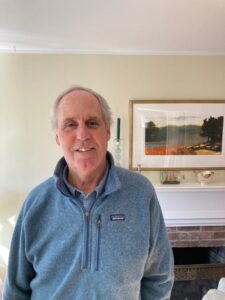
At the turn of the last century, Connecticut became home to several art colonies dedicated to Impressionism. Join Amy Kurtz Lansing, Curator at the Florence Griswold Museum in Old Lyme, for an illustrated overview of artist colonies along the Connecticut coast. Painters such as Childe Hassam, Willard Metcalf, and John Henry Twachtman visited from New York or Boston and often set down roots in Old Lyme, Cos Cob, and Mystic to form communities where they could thrive professionally and personally in a changing art world.


Amy Kurtz Lansing is Curator at the Florence Griswold Museum in Old Lyme, CT. A specialist in nineteenth and twentieth-century art, she has organized or co-organized an array of exhibitions on American paintings, sculpture, and photography. She has been a speaker on many topics including talks on Connecticut Artist Colonies at The Bruce and The Darien Museum. Her current exhibition is about Pop artist Leo Jensen and she is preparing an exhibition of American Impressionism for summer 2024 in honor of the style’s 150th anniversary. Kurtz Lansing has worked with contemporary artists such as Tina Barney, Patrick Dougherty, Dana Sherwood, and James Welling on exhibitions and site-specific commissions, and led interpretation for the Museum’s Robert F. Schumann Artists’ Trail. She graduated from Smith College and received a Master of Philosophy in the History of Art from Yale University. Prior to her arrival at the Florence Griswold Museum, Kurtz Lansing worked in the Department of American Paintings and Sculpture at the Yale University Art Gallery.


Speaker Summary

Florence Griswold Museum curator Amy Kurtz Lansing took us through a fast-paced and detailed history of the Impressionist colonies that sprung up in Connecticut in the late 19th and early 20th centuries. She began with a discussion of their roots in similar colonies in the Barbizon and Giverny communes in France where several American Impressionists were exposed to both the Impressionist style of art and the colony approach to living and working with their peers as they worked on their craft. This ultimately led to the development of several similar colonies in Connecticut when these American artists returned home. Amy spent most of her time talking about three of the largest and best-known colonies in Cos Cob, Old Lyme and Mystic/Noank while referencing that there were several others, including one in the Silvermine section of Norwalk.

She noted that the European colonies were typically in rural areas with easy access and exposure to the outdoors/nature which fit well with the focus on landscapes for most of the paintings both in the European and then the American/Connecticut colonies. Several American artists trained there and, upon returning home, Charles Davis began what became the first art colony in Mystic. While it did not begin as a colony, it became one when he invited others to join him for economic reasons. Connecticut appears to have been chosen as a home for these colonies due to its geographic location and easy access from New York and Boston, and the appeal of its natural subject matter with the many forests, harbors, rivers, coves, pastures, etc., which were reminiscent of the areas in France that had fed this artistic movement.

Amy talked extensively about two of the boarding houses that became mainstays of the colonies and Student Arts League summer sessions – The Bush Holley House in Cos Cob and the Florence Griswold House in Old Lyme. She then spent time talking about what drove specific aspects of the colonies – and the leading artists – in each of these colonies. She shared images of their artwork and photographs of the members of the colonies and noted that, while they were there primarily for the art, there was also a strong sense of community, friendship, comradery, and fun that existed in the colonies. She also mentioned that the colonies were very much focused on the traditional colonial look and feel of the communities with great respect for its history and tradition. This made the groups very welcomed by the towns they were in since their focus was more on celebrating the history than trying to change things.

Amy followed with a discussion of how the summer sessions became more permanent in the early 1900’s as artists began to settle in these areas and the colonies became more artist-run art societies versus transient boarding houses. She noted that this ultimately was the time period when art became a legitimate means to make a living. She closed with a brief discussion of the winding down of the movement as Impressionism gave way to more contemporary forms and approaches to art, but the work and history lives on today through the many museums that still feature the work of the colonies’ artists, including The Bruce in Greenwich and The Florence Griswold Museum in Old Lyme.

Video Presentation

Alec Wiggin, “Birding Basics”, Feb 28, 2024 at 10:00

Birding Basics — The Where, What and How of Bird Watching
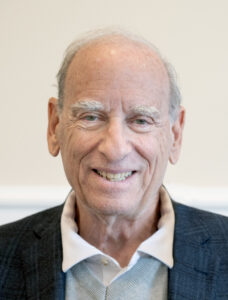
DMA member, Alec Wiggin, is going to talk to us about birds—what to see, where to see’em and what’s so darned special about them.  He will acquaint us with some of the basics regarding the more common species and their behavior, and then alert us to where and how to acquire not only these “usuals” but also some of the “semi-exotics” –those that require a bit more effort to find but are an absolute gas to observe!

Thankfully, Connecticut is favorably situated on the migration route or flyway, as it is known, for many species traveling between their respective breeding grounds and their winter habitats, making for a constant remixing of our species. So, much like our New England weather, if you don’t like what you’re looking at, just wait a bit. It’s about to change.


Alec Wiggin grew up in Darien and returned when he purchased the house he grew up in from his dad where he and his wife, Gail, subsequently raised their two children, Teke and Amary. Alec attended Hindley and Mather Junior High Schools before attending boarding school in New Jersey. He was admitted to Harvard College and a few years later enrolled in Columbia Business School. Armed with his MBA, he went off to Wall Street like many other classmates.

Five years later Alec went into business with his wife. Together they ran a small company specializing in brand strategy and marketing communications, with a client base tilted toward investment managers. After a stretch of twenty-eight years—which included two near-bankruptcy episodes—and with their kids well out of the house and the gargantuan mortgage fairly well paid down, he and Gail folded the company in 2016. Now retired, they are both at liberty to engage more deeply in their interests. For Alec, this emphatically includes today’s topic: Birds.

Speaker Summary

Bird-watching enthusiast Alec Wiggin gave an entertaining, educational and highly engaging talk about “birding” in our area. He was then joined by bird-watching expert Gina Nichol for an extended Q&A session. Alec’s knowledge and passion for his topic were obvious as was that of the DMA members in attendance as evidenced by the number and breadth of questions/comments during his talk and the Q&A.

Alec started with some bird basics – mating, life span, migration (including the fact that, to some birds who summer much farther north, Darien might be where they spend the winter or, as Alec stated, be their Miami Beach). He talked about bird calls versus songs and shared audio of both for several varieties of birds in our area while including some fun facts about several of the birds including that groups of each variety have different names (roost, gaggle, college, radiance, etc.) and that it is a serious birding transgression to confuse them!

Alec talked about why Connecticut is a great birding area thanks to its many forests, ponds, and large coastline. He then discussed several great locations to bird watch in Connecticut including Fourteen Acre Pond in Norwalk, Great Island in Darien, Sherwood Island in Westport and Hammonasset Beach State Park in Madison – noting what varieties of birds you might find at each.

Alec pointed out that “Warbler Season” is just around the corner, talking about the 44 different species of warblers in the area (and that each warbler weighs only 1/3 to 1/2 ounce). He noted that Sellecks Woods in Darien is an especially good place to see and hear them. Alec then touched briefly on conservation issues as well as birding equipment before taking questions, along with Gina, in a session that lasted for over 30 minutes thanks to the enthusiastic response by the audience.

Alec provided a handout of bird watching information (if anyone wants this electronically, contact Alec or Frank DeLeo) and encouraged anyone who is interested in learning more to befriend a birder since “birders like birders” and would be happy to help you get started, learn more, or share experiences.

Video Presentation

Dick Kalt, “Creating a Progressive Rock Radio Powerhouse”, Feb 21, 2024 at 10:00

“I Had Such a Good Time, I Should Be Doing time”.  How WPLR Became a Progressive Rock Radio Powerhouse in the 70’s.
Veteran radio marketer and innovator Dick Kalt will tell his story of moving from Detroit to Connecticut in 1970 and then joining the management team of WPLR-FM where he helped create one of the most listened-to radio stations on the east coast. He’ll talk about the numerous on-air and in-market promotional campaigns he developed as General Manager that contributed to WPLR’s success, culminating in being named Billboard’s Station of the Year in 1977 and building a reputation as a heritage Progressive Rock station throughout the Northeast that lives on today.

Dick will tell an entertaining story of how WPLR made rock & roll history in the 70’s using breakthrough promotional approaches including live events, high profile interviews and more to create awareness and a powerful brand image for the station.


Dick Kalt is a retired Executive Vice President at CRN International and Sounds Great, LLC. He is a veteran marketing strategist and innovator and was a partner in radio marketing organization CRN International, which holds the rare distinction of being named three separate times to INC. magazine’s list of Fastest Growing Privately Held Companies. An expert in breakthrough digital technologies and monitoring consumer behavior and trends, Dick stayed on the cutting edge of marketing techniques and tactics and has been able to identify new growth segments, and media consumption characteristics including multicultural and generational market segments. Dick was inducted as a Charter Member of the Connecticut Business Hall of Fame in 2007.

Dick also managed several sports radio networks (including the New York Giants during their first Super Bowl winning season) and has or still does lecture at several local universities including Columbia, Yale, Brown, Boston College and the University of New Haven.

Speaker suggested by Charles Salmans.

Speaker Summary

Westport/Weston Y’s Men Director of Communications Dick Kalt regaled us with the story of how his move from Detroit to Connecticut to improve his family’s life, together with some bad and good fortune, created the opportunity to be part of the creation and building of Connecticut’s first (and best) progressive rock radio station. He then shared insights into what drove the strategies behind the creation of the station’s programming and marketing, providing entertaining examples of the many innovative approaches and programs he and his team developed that resulted in the creation of a compelling product and brand with sustained excellence, success, and relevance 52 years later.

Dick focused a great deal on the go-to-market strategy that was built around differentiating WPLR from its competition including: programming that was scheduled to capitalize on when the competition was running ads; fewer ads to offer more music; selling FM converters for cars to broaden audience retention and availability; and programming that was driven less by the traditional “Top 40” and more by the creation of play lists by each DJ that reflected their approach to storytelling and connecting with the audience. He noted that the on-air talent “looked like the station sounded” – including a funny story about Stoneman, the 6-12 PM jock with a penchant for warning listeners about police activities to help them avoid/evade trouble.

The biggest thing Dick talked about and shared was how he helped pioneer BIG events and promotions to drive awareness and help create a distinct identity for the station. He talked about capitalizing on Jerry Lewis’ presence in New Haven in 1971 (WPLR’s first year) for a Muscular Dystrophy telethon to get him to perform/headline the first ever official radiothon that raised $20,000 for MD. And how this then became an annual event when Jerry Lewis asked him to repeat it the following year (with NY radio jock Don Imus also appearing). He also shared how DJ Bob Dark did his show naked (including being photographed) with the story appearing in Playgirl – and how this dramatically improved the “exposure” for the station.

Dick talked about how his philosophy of “if you don’t try it, it won’t happen” led to a phone call and one hour on-air discussion with John Lennon, and how activities ranging from a series of in-studio concerts for 100 listeners featuring top bands, to being billed as the presenter for concerts by the leading rock promoters in New Haven, to running BIG promotions that gave away big prizes (funded by the sponsors) all contributed to creating a large, successful station and brand.

One of Dick’s last examples also reflected his belief that there was more to this than just creating and growing the brand by talking about the creation of the U.S. National 20K Championship as a charitable event in 1977 and how it continues to this day.  All part of his story about creating the Best Rock station in Connecticut.

Here is the video f his talk: Dick Kalt’s Talk 

Jeremy Ginsberg, “Planning for Darien’s Future”, Feb 14, 2024 at 10:00

Planning for Darien’s Future 

Recent developments in Darien—three major pedestrian-friendly mixed-use developments and the acquisition of Great Island—have changed a sense of our town when viewed from a distance. We may see it all as incremental change, but to someone considering moving to Darien, the appeal is now two walkable “town centers” in the Corbin District and Norton Heights; great schools and student sports; and a large Town property on The Sound. This transformation begs the question of what civic improvements and land use planning opportunities will support the town as it has evolved.

To answer this question, Jeremy Ginsberg, Darien Director of Land Use, will speak to us on what visions of the 2016 Town Plan are still in play and yet to be implemented and how the vision for the future has evolved since that plan was adopted. Jeremy brings to us the advantage of experiencing planning and land use considerations and initiatives spanning several iterations of leadership at the Planning and Zoning Commission, the Environmental Protection Commission, and the Architectural Review Board.


Jeremy Ginsberg has worked for the Planning & Zoning Department for over 29 years in many roles—winding his way from Assistant Planner, all the way to his current position as the Director of Land Use. He has worked for numerous Planning & Zoning Chairmen and First Selectmen, and the Town has seen tremendous redevelopment during that time. Jeremy has helped oversee numerous technology changes within the Department through the years, including, most recently, software which allows for on-line applications and permitting without the need to come to Town Hall. It is estimated that in his time in Darien, he has attended over 900+ land use board meetings.

Jeremy has a Master’s degree in City and Regional Planning from the University of North Carolina at Chapel Hill, and is a member of the American Institute of Certified Planners (AICP).This certification requires 30+ annual hours of continuing education training.

Speaker Summary

The town of Darien is changing from historically a railroad and US1 intersection with linear development to a town with significant pedestrian-friendly, mixed-use developments and a remarkable large natural preserve on the Sound have introduced an enhanced vitality to the town experience. This transformation raises the question of what civic improvements and land use planning opportunities are envisioned for the next decades.

Jeremy Ginsberg, Darien Director of Land Use, joined us to place recent development in Darien in the context of social, economic, and cultural trends. Jeremy has been involved in land use planning and decisions in Darien for nearly 30 years. His illustrated presentation covered the history of development over the years, the critical events in history that have altered the course of local land use, the town’s considerations in approving those developments currently coming to completion, and the forces that may influence the future.

Among the historic milestones Jeremy mentioned were completion of the railroad in 1850, introduction of zoning in 1925, the completion of I-95 in the 1950s, multi-family housing introduced in Darien in 1985, and the example set for what was possible in the future with the 1999 completion of the Grove Street Plaza (ground level retail and foodservice, a plaza, outdoor seating areas and pedestrian amenities, and all removed from the Post Road).

Looking forward, we already know that the internet and covid have fundamentally changed what citizens are looking for in a town, where the role of bricks and mortar retail is challenged and working from home changes the expectations for offices as well as amenities such as eating establishments. Restaurants are expected to have outdoor dining opportunities. Demographics may encourage fitting retirement and assisted living facilities into our town, as well as mandated affordable housing. Environmental considerations influence expectations to be able to park once in town and walk to multiple destinations. And traffic flow must be improved on the Post Road by eliminating curbcuts and back-out parking.

Jeremy then illustrated these trends and imperatives across developments familiar to us all. The informative and comprehensive presentation was followed with a hearty array of questions.

Video presentation: Jeremy Ginsberg

Shaun Kelley, “The Sports Betting Market”, Feb 7, 2024 at 10:00

The Sports Betting Market

Sports betting is a large and growing market, fueled by the legalization of betting in many states and the explosion of on-line betting. Industry expert Shaun Kelley will provide his perspectives on the industry, the drivers of growth, who are the key players, and what the future may hold.

Shaun Kelley is a Managing Director in Americas Equity Research covering Gaming, Lodging and Leisure, based in New York. He joined Bank of America in 2004 and has covered his current sectors since 2008. Kelley has been ranked in the Top 3 of Institutional Investor’s annual Americas research poll for 10 of the last 11 years, was Runner-Up in 2009 and received an Honorable Mention in 2008. He also ranked Top 3 in the Greenwich Research Associates Poll from 2009-2013. Prior to joining Bank of America, he was an investment banking analyst and associate in technology, media and telecom, primarily at JPMorgan. He has a Bachelor of Arts degree in political science and economics from University of North Carolina at Chapel Hill.

Speaker Summary

Shaun gave an in-depth, fast-paced analysis of the history, explosive growth, current status and future projections for the on-line “gaming” (an industry euphemism for gambling) industry. He noted that this is a business that is in its infancy, having only begun in 2018 when a lower court ruling was upheld by the Supreme Court no longer making it illegal (versus legal) to place bets on line. New Jersey became the first state to allow the activity, rapidly followed by 37 others.

Shaun shared key industry terms that are used to define and explain the economics of the business followed by a brief (since its only 5 years old) timeline of the industry. He then shared the rapid growth from $0 in 2018 to $16B today with a projected CAGR of 27% between 2021 and 2026 and a 15% CAGR on an on-going basis. He distinguished between on-line casino betting (i-gaming) and on-line sports betting (OSB), where the latter drives the market’s size with the former currently allowed in only 5 states. He noted that OSB is seen as more acceptable and, in some ways, rationalized as “entertainment” versus “gambling”.

He explained how the industry has grown at double the initially projected rate due to 3 key factors: many more states have allowed betting sooner than expected; consumers have increased how much they bet (Betting Per Adult has tripled and is still growing); and, the Hold or Win Rate (how much casinos win per bet) has doubled and is still growing.  This last factor has been driven by shifting the kind of bets from single items to parlays of “layered” bets (e.g., the game + the score + highest scoring player) which have a much lower chance of being won. Shaun noted that knowledgeable bettors rarely bet parlays due to significantly lower odds of winning them (parlays represent 27% of dollars bet but 59% of casino winnings/hold rate).

Shaun spent a great deal of time talking about how the industry has evolved largely into a data/analytics-driven business where the betting companies use sophisticated algorithms and customer betting data/history to quickly identify (after as few as 5 bets by an individual) “sharps” (smart bettors) versus “whales” (bettors placing lower probability bets) to individualize and target their marketing efforts to drive their handle and hold rates. So, this industry seems to be as much about data and analytics as it is about providing a means of enabling consumers to place bets on sports events. Shaun noted that the two dominant players in the industry have the most resources and are best at this aspect of the business.

Shaun then spent time showing the breakdown of betting by sport (basketball being largest due to the number of games and the number of bets on individual players) as well as how seasonality impacts betting by sport.  Finally, he shared data on the number of players in the market (by business type/segment – front-end brands, license partners, tech players, media partners, etc).) and how the industry has rapidly consolidated behind two major players (Draft Kings and Fan Duel) and a third significant player when i-gaming is factored in (Bet MGM), and how the economics/cost-of-entry requires scale and share dominance to make the economics of the industry work for individual companies.

He closed with a brief discussion of the risks facing the industry with the greatest likely being efforts to regulate the industry as concerns about addiction and the negative outcomes of betting on the consumer emerge. But he also noted that, when compared to traditional casino gambling and lotteries, on-line betting is projected to be large but much smaller than these other betting outlets.

Presentation video: The Sports Betting Market


Mark Albertson, “The Jewish State and the Palestinians”, Jan 31, 2024 at 10:00


The Jewish State and the Palestinians: How They Came to be Neighbors and Can They Co-Exist

As seems always to be the case, to fully understand current events it helps to have a solid historical perspective. So it is with the ongoing tensions between Israel and the Palestinians. Mark Albertson has been providing DMA with important history lessons for many years. To this end, Mark will discuss how the Jewish State and the Palestinians came to be neighbors and if they can co-exist. While this history lesson certainly goes back to post-war 1947-48, it also must go back even further. Mark will cover the region of “Palestine” going back to the early 20th century and even further back 100 years before that to help us understand the various claims the two sides have on this territory. As with any of Mark’s presentations, it promises to be lively and provocative.


Mark Albertson is the historical research editor at Army Aviation magazine in Monroe and the historian for the Army Aviation Association of America. Mark has taught history, current events and politics at Norwalk Community College for the Extended Studies Program and the Lifetime Learners Institute. He has published articles in newspapers and magazines and has authored six books. Mark presents in a wide variety of venues on a wide variety of topics, including several previous talks to the DMA. Not counting teaching requirements, he presents upwards of 250 times per year.

Speaker arranged by Tom Lom.

Speaker Summary

Mark took us through his perspective on how the recent struggles and violence in the Middle East is a topical but not new chapter in the Great Game where most battles for power revolve around an underlying fight for the resources in and around the embattled territories. He started with an overview of the evolution of the area that was previously all within the Ottoman Empire and started to come apart with the 1914 onset of WWI and the growth of nationalization. He then took us through a discussion of how this led to plans and agreements to split up the territory to access/control its resources (primarily oil as well as access via the Suez Canal) among the Italians, British, French and Russians. This ultimately fell apart as the local Arab states fought back and threw out all the groups except the British by the early 1920’s.

He quickly progressed to WWII, the end of British as a world power and the emergence of the US and USSR as the leading global powers and how our role in the Middle East was driven largely by its importance for its resources. He referenced and gave examples from historical speeches and papers that, in his view, demonstrated that US foreign policy was primarily economically driven to maintain the US’ role as the world’s dominant power and the dollar as the world’s dominant currency, especially following the fall of the USSR, rather than any ideological goals around spreading democracy, protecting human rights, and other Western values.

Mark then pivoted to a discussion of the emergence of China’s understated role in the Middle East and how they have become so critical thanks to their role as primary/principal purchasers of Iranian and Saudi oil which has enabled them to have a key role – and protected position – in the region.  He noted how, despite the on-going attacks in the area, China ships have been spared.

In discussing the Israeli/Palestinian struggles directly, he again linked this to the battle for resources and specifically referenced the offshore gas reserves that are so valuable to Israel and that will likely impact their willingness to compromise on control of the Palestinian territory.  In response to a specific question about the potential for a 2-state solution Mark believes it will not happen and/or it would be defined as Israeli control of Israel and Israeli military control of the Palestinian territory.

Mark closed with comments about how 10- or 20-year efforts to democratize this world against centuries of rule by autocratic empires and leaders have consistently ended in failure and he has little reason to believe this will demonstrably change.  A more constant reality will be the chess game played by countries looking to control and overtake others for their resources, which is the ultimate goal in the Great Game.

Video Presentation 

« Older posts Newer posts »