
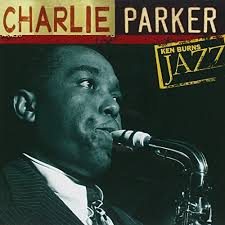
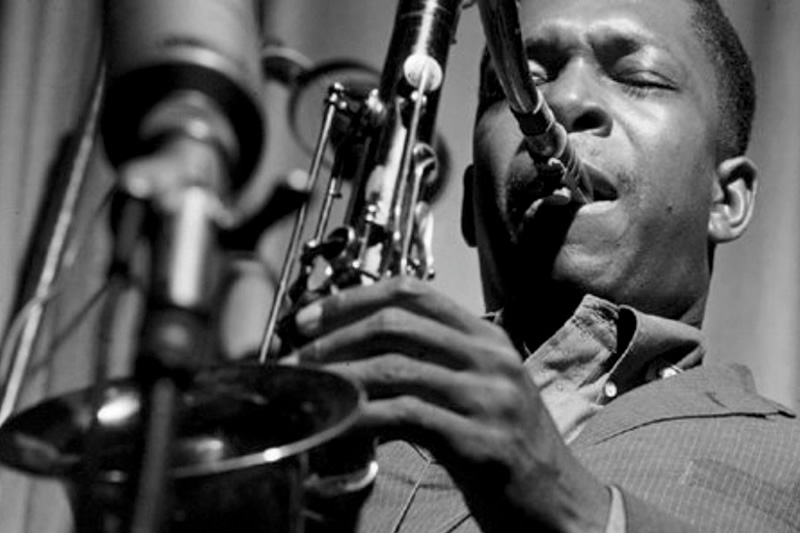
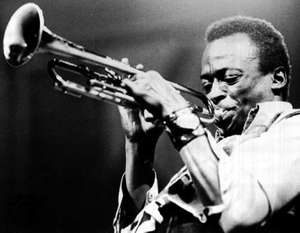
 Davis. Coltrane. Parker. These names are pillars of jazz history. To the long-time connoisseur and the curious neophyte alike, their lives and music continue to inspire – and perplex. With its roots in gospel and blues music, jazz evolved into a popular style by the 1930s, with swing music dominating the American dance floor. But after the Second World War, things began to change at a rapid pace. Gone were the large swing bands, replaced by smaller, tight-knit ensembles playing strange and virtuosic music.
  Carnegie Hall, host to Benny Goodman’s band in the late 1930s, was supplanted by future jazz meccas such as Minton’s Playhouse, the Onyx Club, and Birdland. A dark side of jazz culture – drug and alcohol abuse – began to rear its head, afflicting many of the greatest performers and claiming many lives all too early. Amidst a sea of tumultuous race relations, a steadily evolving record industry, and swiftly changing musical styles, one thing remained constant – the impulse to innovate.
 Gil Harel (PhD, Brandeis University) is a musicologist and music theorist whose interests include styles ranging from classical repertoire to jazz and popular music, as well as opera, medieval, and renaissance music. Previously, he has served on the faculty at CUNY Baruch College, where he was awarded the prestigious “Presidential Excellence
The event will be at the DCA. Coffee and sweets at 6:00, program at 7:00.