Dr. Una 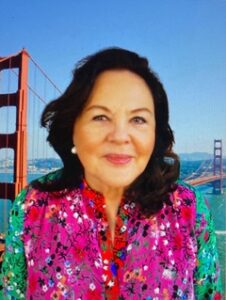 Ryan has extensive experience leading public, private and non-profit companies, and will be speaking to us about the role of science as the foundation for making sound investments. She is a limited partner at Breakout Ventures and at Lionheart Ventures. Una focuses on women-led ventures as Managing Director of Golden Seeds, and as a partner in Astia Angel. She has a portfolio of approximately 35 early-stage companies in the San Francisco Bay Area and Boston, and currently serves on the boards of Cortexyme, RenovoRx , and Elemental Machines. She was Chair of The Bay Area BioEconomy Initiative, an industry organization committed to fostering innovation and collaboration in the Bay Area, and was formerly on the board of BIO, BayBio and Chair of MassBio. Una also serves on the Boards of Cambridge in America and Bristol University US Foundation.
Dr. Ryan was President and CEO of Diagnostics for All, Inc. (DFA), developing inexpensive diagnostics for the developing world, President and CEO of Waltham Technologies Inc., a cleantech company, and President and CEO of AVANT Immunotherapeutics, Inc, now Celldex, developing vaccines and immunotherapeutics for infectious diseases and cancer. At AVANT, Una oversaw four mergers and, after completing the merger with Celldex, became a serial entrepreneur and investor. Continuing a career of translating science to successful businesses, she is also translating science to art, and founded ULUX to bring new perspectives on science to the art world.
Dr. Ryan holds a Ph.D. from Cambridge University and BS degrees from Bristol University. She received an Honorary D.Sc. from Bristol University in 2009. Her academic career included Professorships of Medicine at University of Miami, Washington University, St Louis and Boston University. She held the titles of Howard Hughes Investigator, Established Investigator of the American Heart Association and NIH MERIT Awardee. She has received numerous awards including the Albert Einstein Award (2007) for outstanding achievement in the life sciences, the Cartier Award (2009) and World Economic Forum Tech Pioneer (2011). In 2002 Her Majesty Queen Elizabeth II awarded Dr. Ryan the Order of the British Empire (OBE).
Arranged by Flemming Heilmann
Bryan Hooper’s notes on the talk:
Dr. Una Ryan led us through her fascinating life story, encompassing survival in escaping from Singapore during WWII, a relatively genteel upbringing in Oxford, England, and an extremely successful career involving academia, business and art. The electron microscope binds these last three phases together.
Early in 1942, Una departed Singapore with her mother on a ship that was later torpedoed. They both survived that experience as well as being refugees for 18 months, but eventually arrived in England where they went to Oxford to live with an aunt. Being raised among the intelligentsia of the colleges exposed Una to academia and she graduated from Bristol University before entering Cambridge to study for her PhD. She remembered several incidents growing up that led to her interest in biology, and increased her understanding of, and interest in, diseases and cures – including the discovery that her grandfather, when surgeon general to the British Army in India, had inoculated a number of hill people against smallpox. Some refused the needle, but he discovered three years afterward that those who had been vaccinated survived another smallpox outbreak that had occurred later. Una’s thesis subject at Cambridge involved attempting to understand the mechanism of color changes in stick insects: access to an electron microscope allowed for detailed examination of cells and led to revelations concerning the inner workings of life. It also helped her develop an appreciation of the incredible artistic beauty of the body.
After Cambridge, Una joined the department of medicine at the University of Miami in the Howard Hughes Medical Institute, eventually becoming professor. She researched the blood/air interaction in the lungs, and applied to the National Institutes of Health for a grant for her research; along with the grant came funding for, what else, but an electron microscope. In the process of her work, she isolated the substance controlling blood pressure within the lung cells, angiotensin-converting enzyme, or ACE; understanding that process subsequently resulted in Bristol Meyers Squibb and Merck developing ACE inhibitors to control high blood pressure – an $80 billion business today.
Una still wanted to be involved in going beyond research to fulfill the task of finding cures, so she left academia for the corporate world, joining Monsanto as Director of Health Sciences. She managed research efforts involving five divisions, and learned the usefulness of growth by acquisition. However, she felt the need to be in a smaller operation and then joined an immunotherapy company in Boston, eventually becoming CEO and developing vaccines that to a large extent met her objectives of manufacturing products that were needle-free, temperature stable, single dose and low-cost to produce and buy. After completing a merger of her company with Celldex in 2008, Una became a serial entrepreneur and investor to continue her career of translating science to successful businesses, and also in translating science to art to bring new perspectives on science to the art world.
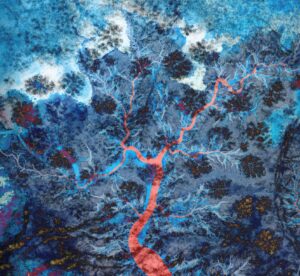
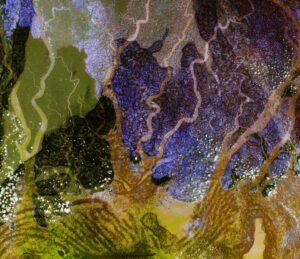
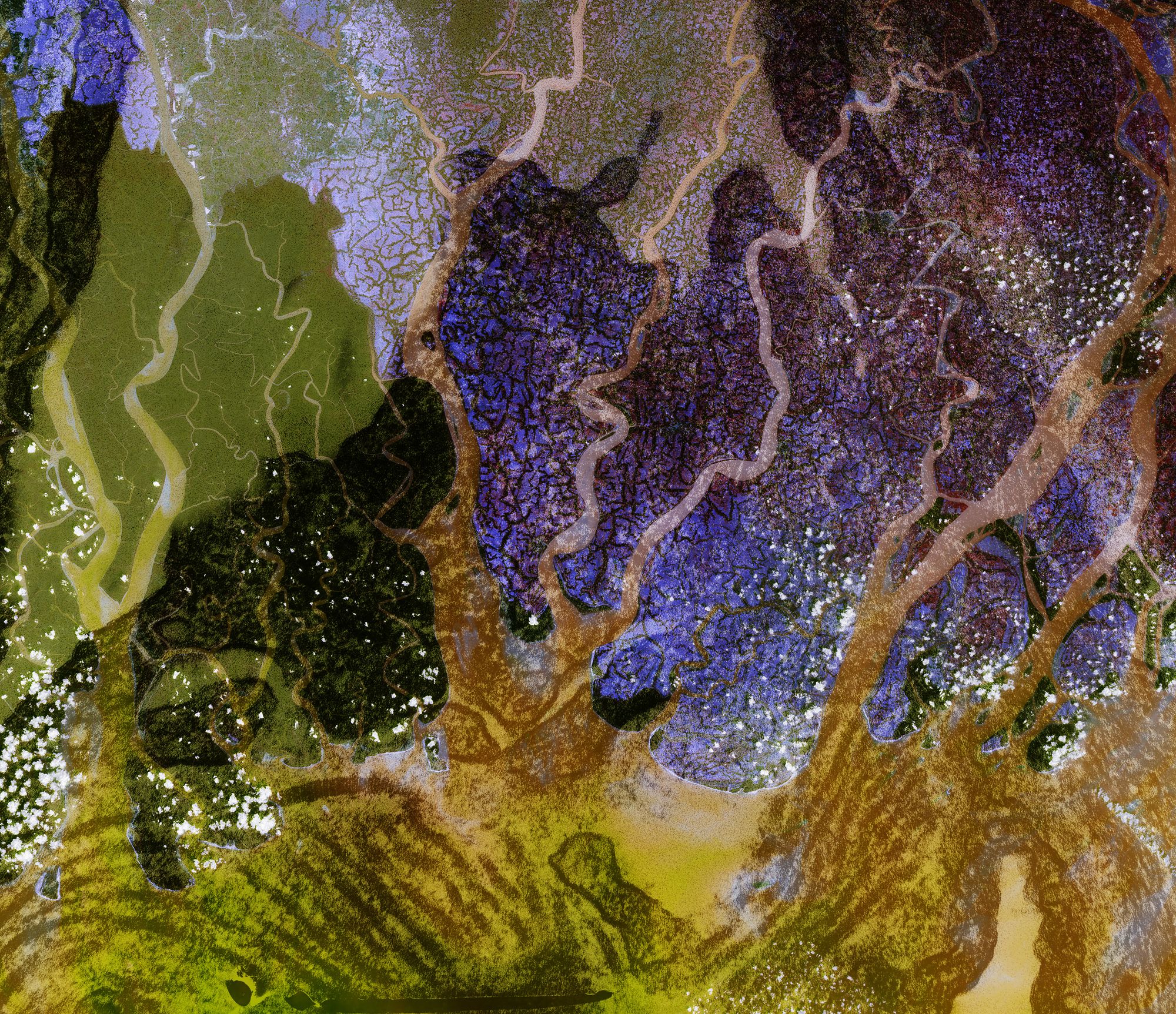
You can read about the latter venture and see examples of her art on her website at http://www.uluxart.com. Not surprisingly, you will find that her art creations involve images based on – what else? – electron microscope photographs. Here are two of her compositions:
Tree of Life, Blue. Ribosomal clusters with image of Australian river delta as seen from space. The composition represents the two most essential elements of life: protein and water.
Habitat, 2016. Lung tissue entwined with Sundarbans mangrove forest.
The video of her talk includes a most interesting Q&A session, and can be viewed on: https://youtu.be/cQTaiTXo-q4.
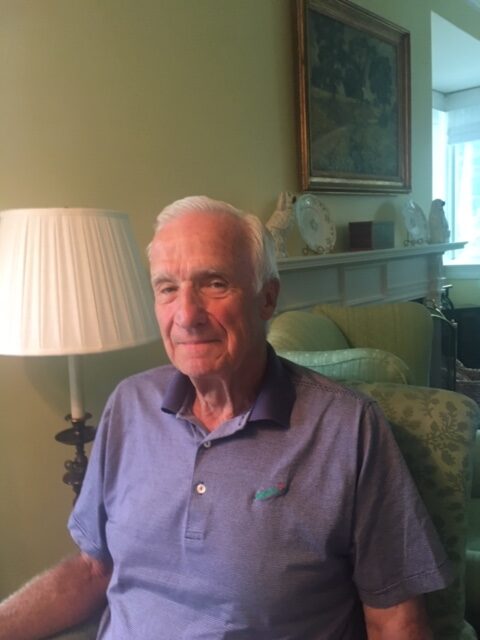 Jeff Neubert was born in Dixon, Ill., in 1942. He moved from Dixon to Indianapolis to Rochester and finally to Connecticut in 1959. He graduated from the University of Notre Dame in 1964 with a BBA degree and the following year earned an MBA from Babson College. Jeff began his business career as a marketing executive with General Foods in 1965. He moved to Citigroup in 1974 where he held various positions in retail banking, credit cards, mortgage banking, and strategic planning. He joined Bank One/JP Morgan Chase as Executive Vice President and concluded his career as CEO of The Clearing House from 2000 until 2010.
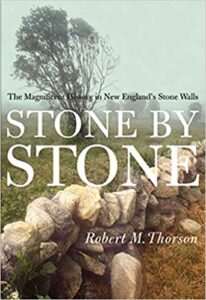 Professor Robert Thorson spoke about a subject he has studied and written about for many years, the stone walls of New England. Gary Banks found his book, “Stone by Stone,” on the Amazon website, and the notes accompanying it are reproduced below since they cover the essence of the talk given to us by Thor: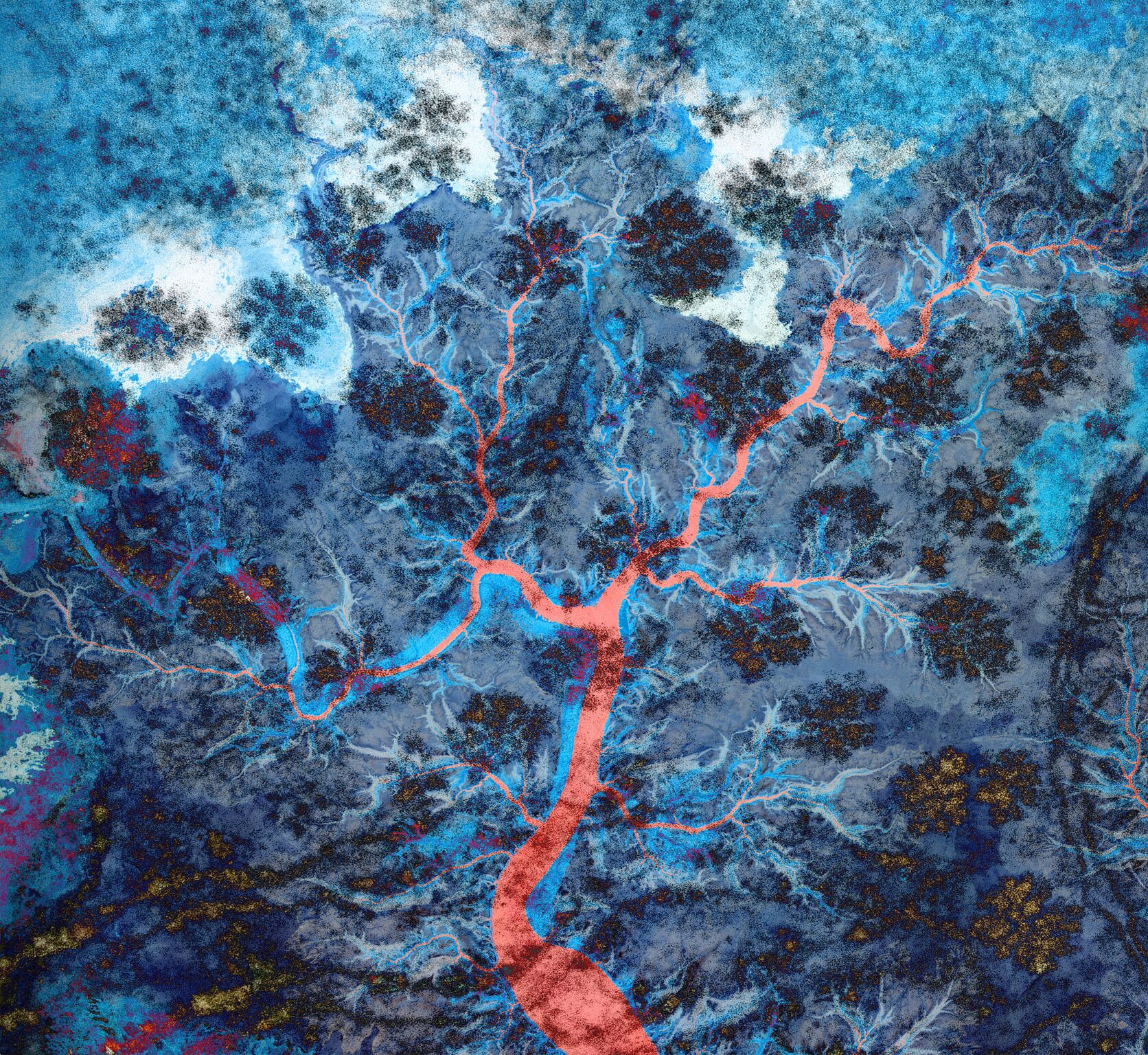
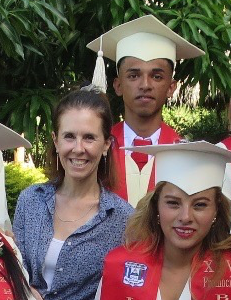
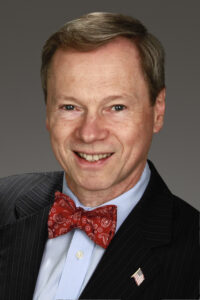 Dr. Frank Nothaft is chief economist for CoreLogic, America’s largest provider of advanced property and ownership information, analytics and data-enabled services. He leads the economics team responsible for analysis, commentary and forecasting in global real estate, insurance and mortgage markets. Before joining CoreLogic Frank served in a variety of leadership positions at Freddie Mac. Prior to Freddie Mac, Frank was an economist with the Board of Governors of the Federal Reserve System in the mortgage and consumer finance section and served as assistant to Governor Henry C. Wallich.
 Kuhner will be taking up from the point where he left off in his presentation on February 3rd – somewhere in Indonesia, relating the tale of how he and Kitty, his wife, completed their first circumnavigation of the globe in four years after setting off in 1971.
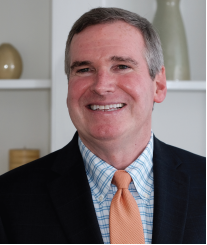 John Hamilton will speak on the field of addiction treatment and prevention. He is nationally recognized as an expert in this field. He brings three decades of experience to his role as president and CEO of Liberation Programs and also chairs the Advisory Board for the Connecticut Department of Mental Health and Addiction Services and serves on the Governor’s Alcohol and Drug Policy Council. Previously, John was chief clinical outreach officer at Mountainside Treatment Center, a nationally acclaimed drug rehabilitation center with locations in New York and Connecticut. He served as CIO of Recovery Network of Programs, a nonprofit behavioral health agency serving the Greater Bridgeport Community. John is past chair of the Dissemination Committee for the National Institute for Drug Abuse Clinical Trials Network, past chair of the Community Treatment Providers Caucus, past president of the Southwest Connecticut Mental Health Board, past president of the New England Association of Drug Court Professionals and co-founder of the Greenwich Father’s Forum. In 2013, John was a recipient of the American Association for the Treatment of Opioid Dependence Nyswander-Dole Award for his contributions to the field of addiction treatment.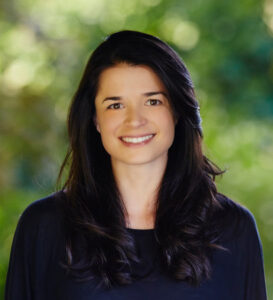

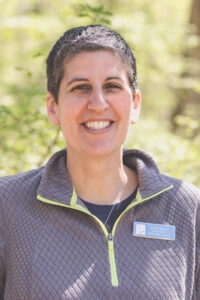 Leila will be joined in her presentation by Emily Ciffone, Program Director at the Darien Nature Center. Emily received her undergraduate degree in biology from Binghamton University and her master’s degree in natural resources and environmental education from the University of Wisconsin. Her career in Nature Education started at the National Park Service, and she has also held roles at the University of Rhode Island Environmental Center and New Pond Farms. Emily has been teaching and building the unique program curriculum at the Darien Nature Center since 2013.
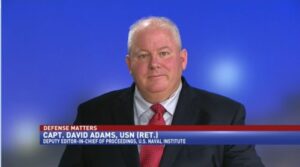 Captain Dave Adams, USN (ret.), is uniquely qualified to speak on the subject of naval rail guns. Captain Adams was class of 1990 at the University of Texas, Austin, and graduated with a BS in Mechanical Engineering, followed by postgraduate work leading to a masters, with distinction, in strategic planning. In turn, this led to his becoming speechwriter for the Chief of Naval Operations – probably safer than his next tour in Afghanistan, where he commanded the Joint/Interagency Provincial Reconstruction Team. He returned to take command of SSN-763, USS Santa Fe, followed by command of SSGN USS Georgia, a ‘boomer.’ He became Deputy Editor-in-Chief of the Naval Institute’s journal, “Proceedings,” where he made his reputation as a serious long-range geostrategic thinker as well as a critic of some of the Navy’s procedures and plans for future war-fighting.
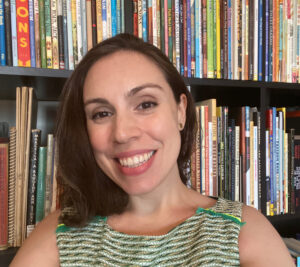 Kiera Parrott became the Director of Darien Library in September 2020. Prior to that appointment, she was the Reviews and Production Director for Library Journal and School Library Journal, where she oversaw the publication of over 12,000 influential book and media reviews annually. Additionally, she launched and expanded numerous professional development events and training courses for library professionals nationwide. Kiera has been a proud library worker since her teen years, working as a page for the Queensborough Public Library in high school, as a reference assistant at the University of Massachusetts-Amherst during college, and as a senior librarian for the New York Public Library. She previously worked at Darien Library from 2008–2013 as a children’s/collection development librarian and as Head of Children’s Services. She lives in Norwalk with her husband (also a librarian) and their two cats.